
Massage chairs have improved a lot, offering many techniques and personalized features that mimic human touch. They can relax muscles, increase circulation, and provide convenient, consistent comfort at home. However, they still can’t match the intuitive sensing and emotional connection a skilled therapist provides. If you’re curious about whether these gadgets can truly replace human hands, there’s much more to discover about their limitations and benefits.

Get wellness gear delivered free — and shop member deals
- Fast, free delivery on millions of items
- Access to Prime Big Deal Days deals on October 6–7
- Prime Video, Amazon Music and more included
Key Takeaways
- Massage chairs utilize sensors and algorithms to mimic techniques but lack the intuitive sensitivity of human touch.
- They can customize sessions and target specific areas, but cannot adapt spontaneously like a human masseuse.
- Human masseuses provide emotional connection, empathy, and real-time adjustments that gadgets cannot replicate.
- Massage chairs offer convenience, consistency, and accessibility, making them a practical alternative for regular relaxation.
- While effective for muscle relief and stress reduction, gadgets still fall short of fully replacing the personalized care of human hands.
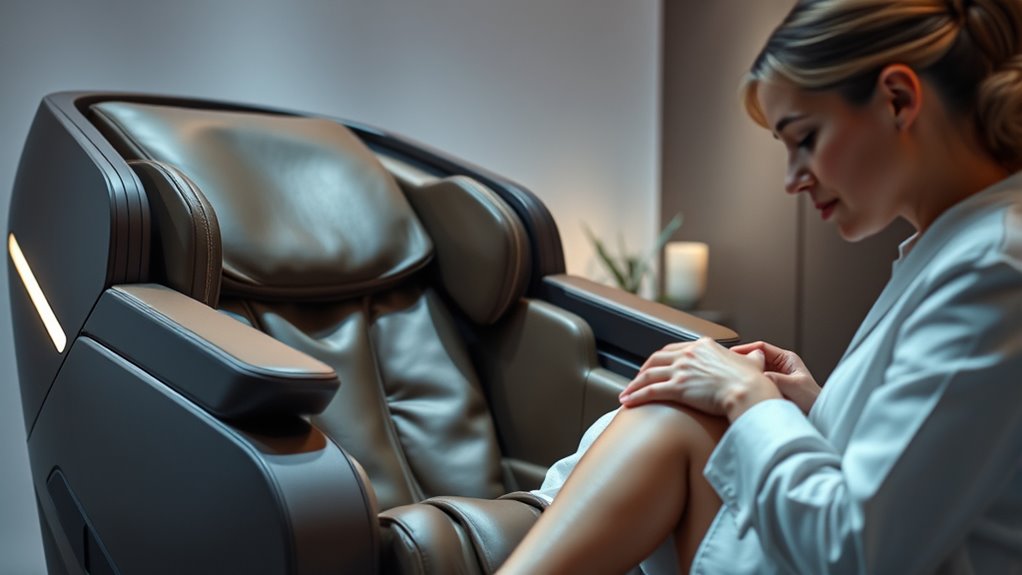
When it comes to relieving stress and easing muscle tension, many people wonder whether a massage chair can match the expertise of a real masseuse. Advances in robotics innovation have transformed these devices from basic mechanical tools into sophisticated systems capable of mimicking many aspects of a professional massage. Today’s massage chairs incorporate sensors, adaptive algorithms, and multiple massage techniques that aim to replicate the hands-on experience you’d get from a trained therapist. The goal is to deliver a spa-like experience right in the comfort of your home, offering convenience without sacrificing quality. Thanks to robotics innovation, these chairs can analyze your body shape and tension points, adjusting their movements to target specific areas more precisely. This personalization helps create a more effective massage, potentially reducing muscle knots, improving circulation, and easing overall stress.
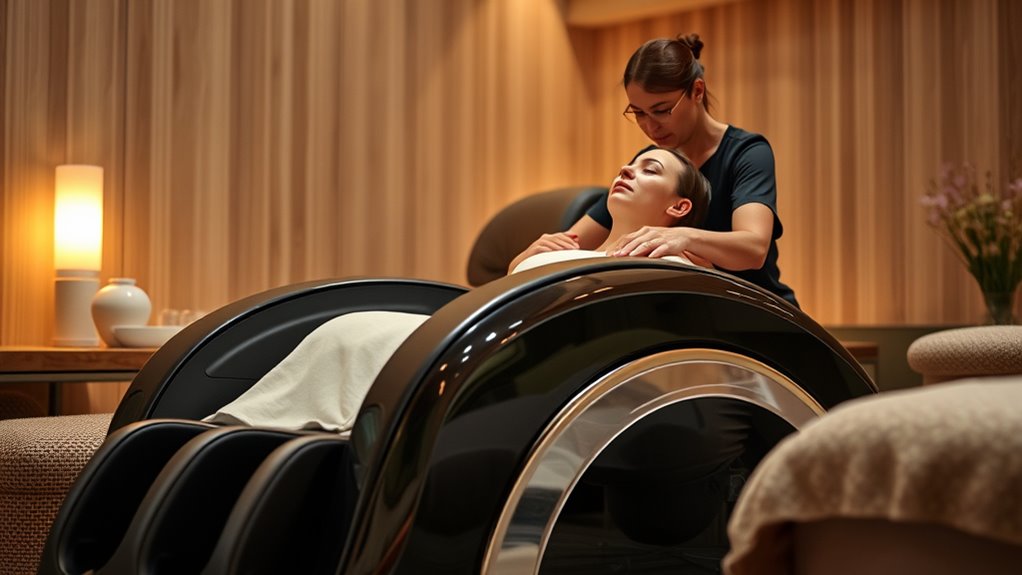
While a real masseuse brings an intuitive touch and emotional awareness to their work, modern massage chairs rely on programmed routines and sensors to simulate that intuition. They can perform a variety of massage styles—kneading, rolling, tapping, and shiatsu—mimicking techniques you’d find in a spa. This creates a consistent, customizable experience that you can control at any time. You can select the intensity, focus on particular areas, or opt for full-body sessions, all with just a few taps. The spa experience is enhanced by features like heated pads, adjustable recline, and soothing music options, all integrated into the chair. These elements help create an environment that relaxes both your body and mind, much like a visit to a professional wellness center.
However, despite these technological advancements, a massage chair still can’t fully replace the human element. A skilled masseuse intuitively senses subtle cues—such as muscle responses or changes in tension—that a machine might miss. They can adjust their technique on the fly, respond to your feedback in real-time, and provide a level of emotional connection that enhances the overall experience. But for many, the convenience, cost-effectiveness, and consistent quality of a high-end massage chair make it a compelling alternative. It offers a spa-like escape whenever you need it, with the added benefit of cutting-edge robotics innovation that continues to improve. So, while it may not replace the human touch entirely, a well-designed massage chair certainly brings a lot of the spa experience into your daily routine, making relaxation more accessible and personalized than ever before.
massage chair with heat and adjustable recline
As an affiliate, we earn on qualifying purchases.
As an affiliate, we earn on qualifying purchases.
Frequently Asked Questions
Are Massage Chairs Suitable for People With Specific Health Conditions?
If you have specific health conditions, massage chairs might not be suitable. You should check for medical contraindications like blood clots or heart issues before use. Also, consider allergy concerns, especially with materials or scents in the chair. Always consult your healthcare provider to guarantee safe use, as some conditions could worsen with automated massage techniques. Prioritize your safety and health when considering massage chairs.
How Customizable Are Massage Chair Settings Compared to a Human Masseuse?
A massage chair is like a custom-tailored suit—you can fine-tune it to fit your needs. It offers highly customizable settings that cater to your personal routines and user preferences, allowing you to adjust pressure, massage type, and focus areas. While it provides convenience, it may lack the nuanced adjustments a human masseuse can make based on your real-time feedback, but it remains a versatile option for personalized relaxation.
Do Massage Chairs Provide the Same Emotional Connection as a Real Masseuse?
Massage chairs don’t provide the same emotional connection as a real masseuse, as they lack human touch and empathy. When you receive a massage from a person, you feel a comforting connection that relaxes both your body and mind. A gadget can’t replicate that warmth and personal attention. While massage chairs offer convenience and relief, they fall short of delivering the emotional connection that only human touch can provide.
What Is the Long-Term Cost Comparison Between Massage Chairs and Regular Massages?
Think of it like planting a tree—you’ll pay more upfront with a massage chair’s initial investment, but it might grow cheaper over time. While maintenance costs for the chair can add up, regular massages from a professional can become costly month after month. Over the long run, a massage chair could save you money, especially if you need frequent relief, but consider your budget and how often you’ll use it.
Can Massage Chairs Effectively Address Deep Tissue or Injury-Specific Therapy?
Massage chairs have limitations in deep tissue and injury-specific therapy. They often lack the precision and adaptability of a skilled masseuse, making them less effective for targeted, deep tissue work or specific injuries. While they provide general relaxation and relief, if you need specialized treatment, a professional massage therapist is more effective. So, for deep or injury-focused therapy, relying solely on a massage chair might not meet your needs fully.
best massage chair for muscle relief
As an affiliate, we earn on qualifying purchases.
As an affiliate, we earn on qualifying purchases.
Conclusion
Imagine yourself after a long day, sinking into a massage chair that feels like a trusted friend’s comforting hug. While gadgets can mimic many techniques, they’re like a well-loved book—great for convenience, but sometimes, nothing replaces the personal touch of a skilled masseuse. According to recent studies, human hands still excel at targeting specific tensions. So, whether you choose tech or touch, know that both can offer relief—just like finding your favorite comfort spot.
home massage chair with sensors and multiple techniques
As an affiliate, we earn on qualifying purchases.
As an affiliate, we earn on qualifying purchases.
massage chair for stress reduction
As an affiliate, we earn on qualifying purchases.
As an affiliate, we earn on qualifying purchases.
Fall Picks
fall essentials
As an affiliate, we earn on qualifying purchases.