Blue light from screens tricks your brain into thinking it’s daytime, suppressing melatonin and making it harder to fall asleep. While blue light filter apps can reduce exposure and may help you sleep better, they aren’t a complete fix on their own. Other habits like limiting screen time before bed and creating a relaxing environment also matter. Keep exploring to discover effective strategies that can truly improve your sleep quality.
Key Takeaways
- Blue light suppresses melatonin, disrupting sleep; filters can reduce this effect but don’t eliminate all sleep issues.
- Blue light filter apps may improve sleep onset but are less effective without other good sleep hygiene practices.
- Limiting overall screen time and avoiding screens before bed are critical factors for better sleep quality.
- Creating a sleep-friendly environment and establishing relaxing routines enhance sleep, complementing blue light filters.
- Combining screen filters with holistic sleep strategies yields the best chance for improving sleep despite screen time.
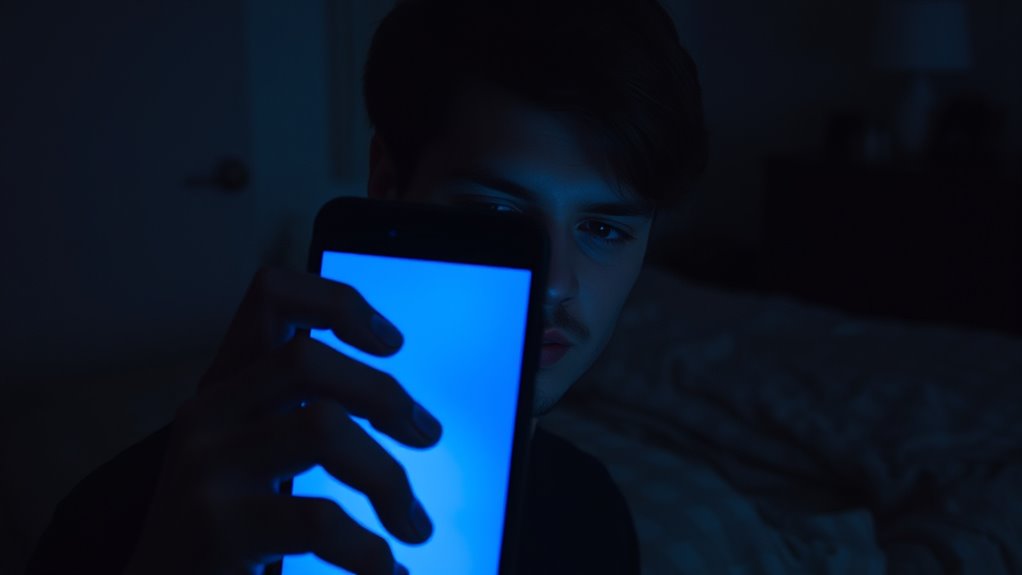
In today’s digital age, screen time has become an unavoidable part of daily life, but it can considerably impact your sleep quality. One of the main culprits is blue light effects, which are emitted by screens on your phone, tablet, or computer. Blue light tricks your brain into thinking it’s still daytime, suppressing melatonin—the hormone responsible for making you feel sleepy. As a result, you might find it harder to fall asleep or experience fragmented, lower-quality rest. To combat this, practicing good sleep hygiene tips can help mitigate the negative influence of screen time before bed.
Blue light from screens can disrupt sleep by suppressing melatonin, so practicing good sleep hygiene is essential.
Using blue light filter apps is a popular strategy, but their effectiveness varies. These apps work by reducing blue light exposure during evening hours, theoretically allowing your melatonin levels to rise naturally. While some studies suggest these filters can improve sleep onset and duration, they aren’t a complete solution. It’s important to recognize that blue light effects aren’t the only factor at play. The content you consume, your overall screen time, and your bedtime routines also influence your sleep quality. Relying solely on blue light filters without making other adjustments might not fully resolve sleep disruptions caused by late-night screen use.
Implementing good sleep hygiene tips can further enhance your sleep quality. For example, setting a consistent sleep schedule helps regulate your internal clock, making it easier to fall asleep at the same time each night. Creating a relaxing pre-sleep routine—such as reading a book or practicing deep breathing—can signal to your brain that it’s time to wind down. Additionally, try to limit screen exposure at least an hour before bed; this gives your melatonin levels a chance to increase naturally without interference. If you must use screens later in the evening, using blue light filters combined with dimming your device’s brightness can help reduce blue light effects.
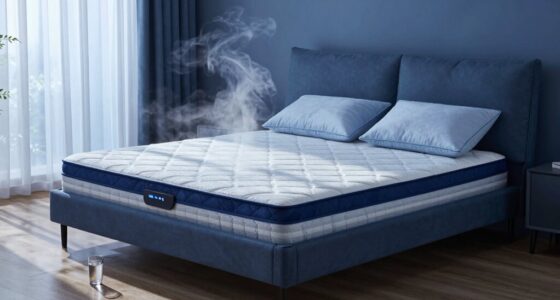
Creating an environment conducive to sleep is equally important. Keep your bedroom dark, cool, and quiet to promote better rest. Avoid stimulating activities right before bed, and consider establishing a relaxing routine that doesn’t involve screens. Remember, the goal is to cultivate habits that support your natural sleep cycle, making it easier to fall asleep and stay asleep throughout the night. While blue light filter apps can be helpful, they’re most effective when paired with holistic sleep hygiene practices, including limiting screen time and creating a calming sleep environment. This integrated approach will give you the best chance of improving your sleep quality in today’s digital world. Additionally, understanding the impact of contrast ratio and other display qualities can help you select devices that are less disruptive to your sleep health.

Pangda 9 Pack Blue Gel Light Filter Blue Lighting Gel Sheets Colored Film to Cover Lights Plastic Colored Overlays Correction, 1.7 by 8.3 Inches for Film, Video, Photo, Stage
Gel filter material: these gel filters are made of high light transmission plastic material, lightweight, steady color temperature…
As an affiliate, we earn on qualifying purchases.
As an affiliate, we earn on qualifying purchases.
Frequently Asked Questions
Do Blue Light Filters Affect Eye Strain During Screen Use?
Blue light filters can improve your eye comfort during screen use by reducing glare and eye strain. While they may not eliminate all discomfort, their effectiveness varies depending on the filter quality and your individual sensitivity. Using a good blue light filter app, combined with regular breaks and proper lighting, helps prevent eye fatigue, making your screen time more comfortable and less tiring over extended periods.
Can Reducing Screen Time Improve Overall Sleep Quality?
Think of your sleep like a delicate plant that needs proper care. Reducing your screen time acts like giving it fresh water, helping it grow stronger. When you cut back on screens, especially before bed, you improve your sleep hygiene and make it easier to fall asleep and stay asleep. Your screen habits directly influence your sleep quality, so setting boundaries can lead to more restful nights and energized mornings.
Are There Specific Apps That Are More Effective Than Others?
Some blue light filter apps are more effective than others because of their filter quality and customization options. For example, apps like f.lux or Twilight offer advanced filter comparisons and adjustable settings that better reduce eye strain and improve sleep. You should try a few to see which one suits your needs best. Remember, consistent use and proper timing are key to maximizing their effectiveness in promoting better sleep.
Does Exposure to Blue Light Impact Sleep Hormones Like Melatonin?
Think of blue light as a sneaky thief stealing your sleep hormones like melatonin. Yes, exposure to blue light from screens suppresses melatonin production, making it harder for you to fall asleep and stay asleep. When you’re exposed before bed, your body’s natural sleep signals get disrupted. To protect your sleep, limit screen time in the evening or use blue light filters to block that disruptive light.
How Quickly Can Blue Light Filter Apps Improve Sleep Patterns?
Blue light filter apps can start improving your sleep cycle adjustment within a few days, but full blue light adaptation may take a week or more. By reducing blue light exposure before bed, you help your body reestablish melatonin production, promoting better sleep. Consistent use of these apps supports your sleep cycle adjustment, making it easier to fall asleep and wake refreshed. For best results, combine app use with good sleep habits.

Sleep ZM Blue Light Blocking Glasses for Women + Men – Better Sleep + Anti Eye Strain Protection – Computer Screens & Gaming – Black Wayfarer – 99% Night-time Amber Lens
Improve Sleep Quality Naturally – Amber lenses filter up to 99.9% of disruptive blue light (~400–500 nm) to…
As an affiliate, we earn on qualifying purchases.
As an affiliate, we earn on qualifying purchases.
Conclusion
While blue light filter apps gently guide your habits, they don’t hold all the answers. To truly nurture restful sleep, consider embracing a balanced routine that limits screen exposure before bed. Sometimes, the most subtle shifts in your evening rituals can lead to the most profound serenity. Remember, a harmonious blend of mindful choices offers a graceful path to better rest, allowing you to wake refreshed and ready for the day ahead.

MyHalos® Sleep Mask – 3D Blackout Eye Mask for Women & Men, Side Sleepers, Zero Pressure Memory Foam Eyelash Friendly, Breathable,Award-Winning Sleep Aid for Travel (Black, 1 Count (Pack of 1)
Complete Blackout: Innovative contoured design blocks 100% light. Perfect blindfold sleeping eye mask for night shift workers, frequent…
As an affiliate, we earn on qualifying purchases.
As an affiliate, we earn on qualifying purchases.
![L LOHAS LED Night Lights Plug into Wall, [2 Pack] LED Dimmable Night Light with Light Sensors, 30/60LM Adjustable Brightness Nightlights, Soft White 3000K Automatic Night Light for Kid, Hallway](https://m.media-amazon.com/images/I/414SGcrx1JL._SL500_.jpg)
L LOHAS LED Night Lights Plug into Wall, [2 Pack] LED Dimmable Night Light with Light Sensors, 30/60LM Adjustable Brightness Nightlights, Soft White 3000K Automatic Night Light for Kid, Hallway
Automatic On/Off: With smart dusk to dawn sensor inside, LOHAS night lights plug into wall can accurately sense…
As an affiliate, we earn on qualifying purchases.
As an affiliate, we earn on qualifying purchases.