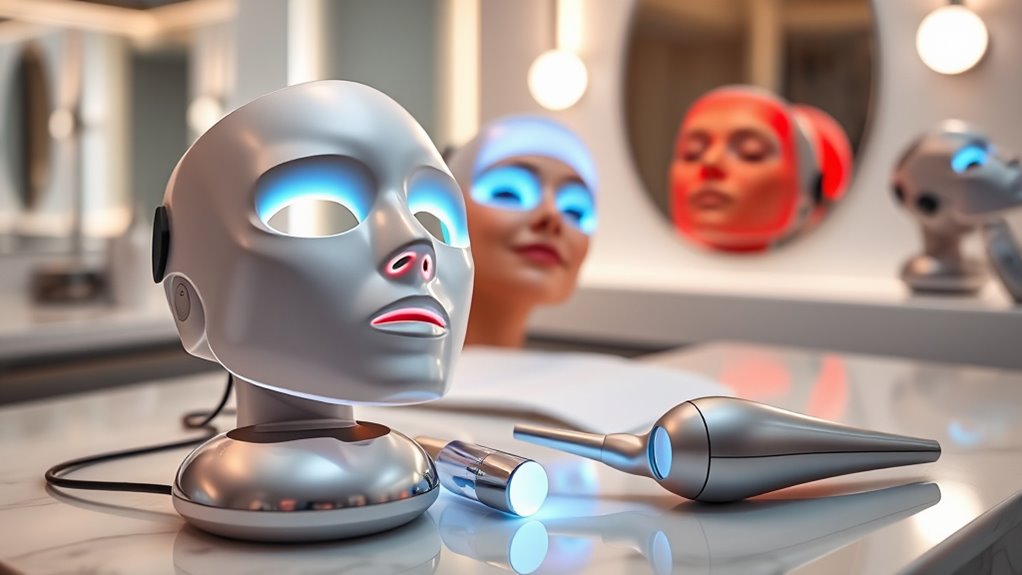

Many popular beauty tech devices like LED therapy and microcurrent tools are often misunderstood, leading you to expect faster or dramatic results than they can deliver. While they can improve your skin gradually with consistent use, they’re not miracle cures—effects vary based on individual factors, and proper technique matters. To get real benefits, it’s essential to set realistic expectations and understand their limitations. Keep exploring to learn the truths behind these tools and how to use them effectively.

Get wellness gear delivered free — and shop member deals
- Fast, free delivery on millions of items
- Access to Prime Big Deal Days deals on October 6–7
- Prime Video, Amazon Music and more included
Key Takeaways
- LED therapy is effective only with correct wavelength, duration, and consistency; it’s not an instant miracle cure.
- Microcurrent devices provide subtle improvements; dramatic lifting or toning results are unrealistic without professional treatments.
- Many high-tech beauty gadgets are overhyped; their effectiveness varies based on skin type and individual response.
- Realistic expectations are essential; devices should complement overall skincare and healthy habits, not replace them.
- Scientific backing and personalized consultation help ensure proper use and prevent disappointment with high-tech beauty tools.

Have you ever wondered if all those high-tech beauty gadgets really deliver on their promises? It’s easy to get caught up in the hype surrounding devices like LED therapy panels and microcurrent devices, but the truth isn’t always as glamorous as advertisements suggest. Many people assume that just because a gadget is marketed as a miracle cure, it will automatically produce dramatic results. However, understanding how these technologies work—and their limitations—can help you make smarter choices.
LED therapy, for example, is often touted as a secret weapon for youthful skin, promising to reduce wrinkles, acne, and inflammation with little effort. While it’s true that LED light can stimulate cellular activity and promote healing, it’s not a magical fix. The effectiveness of LED therapy depends on proper usage, including the correct wavelengths, session length, and frequency. Overhyping these devices leads many to expect overnight transformations, which simply isn’t realistic. If you’re consistent with treatments and choose devices approved by experts, you’ll see gradual improvement, but it’s not an instant miracle. LED therapy can complement your skincare routine, but it’s not a substitute for other healthy habits or professional treatments. Additionally, some devices are more suitable for certain skin types and concerns, emphasizing the importance of tailored approaches.
Similarly, microcurrent devices are often sold as at-home facials that can lift, tighten, and tone your skin effortlessly. The idea is that tiny electrical currents mimic your body’s natural signals to stimulate collagen production and improve muscle tone. While there’s some scientific backing for microcurrent treatments performed in clinics, at-home devices tend to be less powerful. They can deliver some benefits, like improved skin firmness and increased circulation, but they won’t turn back the clock overnight. Many users see a subtle glow and smoother skin, but expecting a dramatic facelift from a small device isn’t realistic. The key is to set your expectations accordingly and use these tools regularly over weeks or months.
Another myth is that all high-tech gadgets are equally effective or suitable for everyone. In reality, skin types, concerns, and conditions vary widely, so what works for one person might not work for for another. It’s essential to do your research, read reviews, and consult professionals if possible. Remember, no device can replace a good skincare routine, proper sun protection, and a healthy lifestyle. These tools are accessories, not magic bullets. If you approach them with realistic expectations and patience, you’ll get the most out of your investment without falling for exaggerated claims. Understanding the science behind these devices helps you separate fact from fiction and avoid wasting money on products that won’t meet your goals overnight. For example, individual responses can vary greatly depending on personal factors like skin condition, age, and genetics, highlighting the importance of personalized skincare approaches.

GLO24K LED Face Massager and Neck Wand – Beauty Skin Care Tool
- LED Light Modes: Three LED light modes for skincare
- Gentle Vibration: Vibration to enhance skincare benefits
- Ergonomic Design: Curved shape for comfortable use
As an affiliate, we earn on qualifying purchases.
As an affiliate, we earn on qualifying purchases.
Frequently Asked Questions
Are LED Treatments Safe for Sensitive Skin Types?
Yes, LED treatments are generally safe for sensitive skin, but you should always check LED safety guidelines. If you have sensitive skin, start with a shorter session and monitor how your skin reacts. Look for devices designed specifically for sensitive skin, and consult a dermatologist if you’re unsure. Properly used, LED therapy can help improve your skin without causing irritation, making it a gentle, effective option.
How Often Should I Use Microcurrent Devices for Best Results?
You should use your microcurrent device 2-3 times a week for ideal results. Keep in mind, consistent use over several weeks yields the best benefits. Always follow the manufacturer’s instructions for treatment duration, typically around 20-30 minutes per session. Don’t forget to regularly perform device maintenance, like cleaning and checking for any damage, to guarantee safe and effective treatments each time.
Can Beauty Tech Devices Replace Professional Treatments?
Think of beauty tech devices as your trusty sidekicks, but they can’t quite replace a professional’s magic touch. While DIY skincare with these devices boosts your routine and shows real results, their effectiveness isn’t on par with expert treatments. They’re great for maintenance, but for deep rejuvenation or complex concerns, a professional’s expertise still holds the crown. So, use them to enhance, not replace, professional care.
Are There Any Age Restrictions for Using Beauty Tech Tools?
There are generally no strict age restrictions for using beauty tech tools, but device safety is important. If you’re a teen or an older adult, you should follow the manufacturer’s guidelines and consult a dermatologist if unsure. Younger users should start with gentle settings to avoid skin irritation. Always prioritize safety, read instructions carefully, and consider professional advice to make certain you use the device appropriately for your age and skin type.
Do At-Home Beauty Devices Deliver the Same Benefits as Clinic Procedures?
You might be surprised to learn that 60% of users find at-home devices nearly as effective as clinic procedures. While at-home beauty devices can boost your skincare routines, they may not deliver the same dramatic results as professional treatments. To maximize benefits, you need consistent device maintenance and realistic expectations. Remember, regular use and proper care guarantee your device stays effective, helping you achieve healthier, glowing skin without leaving home.

INIA SPHERA Upgraded 8-in-1 Microcurrent Facial Device for Face & Neck
- All-in-One Beauty Technology: Integrates 8 skincare technologies for daily use
- Five Targeted Modes: Customize treatments for contours, firmness, glow, pores, and cooling
- Smart & Safe Technology: Activates only on skin contact for safety and precision
As an affiliate, we earn on qualifying purchases.
As an affiliate, we earn on qualifying purchases.
Conclusion
Don’t let myths hold you back from exploring beauty tech’s true potential. While skepticism is natural, understanding the facts reveals that devices like LED and microcurrent treatments are backed by science and can complement your skincare routine. With proper guidance, these tools can boost your confidence without replacing professional advice. Embrace innovation wisely, and you’ll find that beauty tech can be a valuable, trustworthy addition to your self-care arsenal.
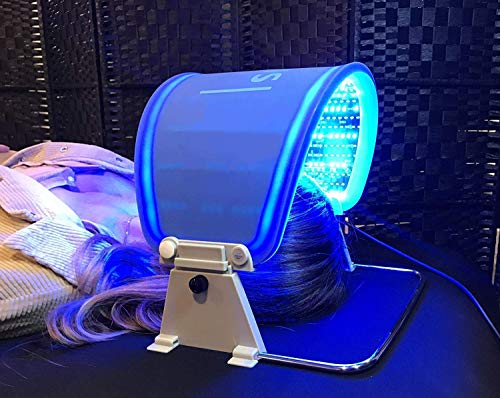
Hydraskincare Red Light Therapy for Face, LED Face Mask Light Therapy Facial Skin Care Infrared Light Rejuvenation Photon Therapy Machine for Home Use
- Multi-Wavelength LED Therapy: Includes red, blue, yellow, infrared lights
- Versatile Face & Body Use: Suitable for facial and body treatments
- Comfortable Ergonomic Design: Lightweight mask for easy wear
As an affiliate, we earn on qualifying purchases.
As an affiliate, we earn on qualifying purchases.

INIA FLARE 3-in-1 Red Light Therapy Beauty Device for Face & Neck White
- 3-in-1 Skincare Modes: Lifting, firming, deep absorption
- Adjustable Intensity: Personalized treatment settings
- LIFT Mode: Facial stimulation and contouring
As an affiliate, we earn on qualifying purchases.
As an affiliate, we earn on qualifying purchases.
Fall Picks
fall essentials
As an affiliate, we earn on qualifying purchases.