

TL;DR

Get wellness gear delivered free with Prime
- Fast, free delivery on millions of items
- Prime Video, Amazon Music and more included
- Member-only deals all year
Interest in tattoo safety is increasing as more people consider getting inked. While many studies confirm that tattoos are generally safe when done properly, concerns about infections and long-term effects persist. The full scope of health risks remains partially unclear, prompting calls for clearer regulations.
Public concern about the safety of tattoos is rising as interest in body art increases. While experts confirm that tattoos can be safe when performed under proper conditions, questions about potential health risks and regulatory standards are gaining attention. This trend is fueled by increased media coverage and social media discussions, though no recent safety incidents have been officially reported.
Several health authorities and dermatologists agree that, when performed by licensed professionals using sterile equipment, tattoos generally pose low health risks. Common concerns include infections, allergic reactions, and skin complications, which are typically linked to improper procedures or unregulated studios. The Centers for Disease Control and Prevention (CDC) states that infections such as bacterial or viral transmission are rare but possible if hygiene standards are not maintained.
Recent surveys and online trend analyses indicate that search interest in tattoo safety has spiked over the past few months, likely driven by increased social media content and discussions about body art. This surge in interest has raised awareness but has also highlighted gaps in regulation and public knowledge about long-term health effects. Experts emphasize that while most complications are preventable, unlicensed or poorly regulated studios can increase risks.
There is also ongoing debate about the long-term safety of tattoo inks, with some studies suggesting potential chemical exposure. However, conclusive evidence linking inks to serious health issues remains limited. Regulatory agencies in many countries are reviewing standards for ink ingredients, but comprehensive, enforceable regulations are still under development in several regions.
Why Rising Concerns About Tattoo Safety Matter
This increasing focus on tattoo safety matters because it influences consumer behavior and industry standards. As more people seek tattoos, understanding health risks and ensuring proper regulation can prevent infections and other complications. Public awareness can also drive stricter licensing and better hygiene practices in tattoo studios, ultimately protecting health and safety.
Additionally, the uncertainty around long-term effects of tattoo inks underscores the need for ongoing research and clearer regulatory guidelines. Without these, consumers may remain vulnerable to unforeseen health issues, making safety a critical concern for both individuals and policymakers.
Products Worth Considering

Garmin Forerunner 935 GPS Running and Multisport Watch, Black
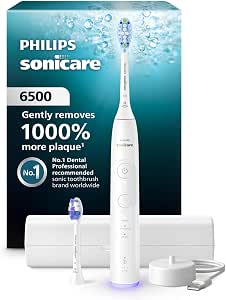
Philips Sonicare 6500 Series Rechargeable Electric Toothbrush with 2 Brush Heads, White

Garmin Forerunner 570 GPS Running Smartwatch, 42 mm, Raspberry, with P-Bank Bundle
As an affiliate, we earn on qualifying purchases.
Background on Tattoo Safety and Industry Standards
Tattoos have become increasingly popular over the past decade, with a growing number of studios worldwide. Most health authorities agree that when performed by licensed professionals using sterile equipment, tattoos are generally safe. However, the industry faces challenges related to inconsistent regulation, especially in regions with unlicensed practitioners or unregulated studios.
Historically, concerns about infection transmission, allergic reactions, and ink safety have prompted public health advisories. Recent trends show that interest in tattoo safety is rising partly due to social media influencers sharing their experiences and discussions about health risks. Despite this, there has been no confirmed outbreak or new regulatory incident that has caused the current spike in concern.
In many countries, tattoo inks are not yet strictly regulated, with some containing chemicals or pigments that are not fully approved for human use. Regulatory bodies are beginning to review standards, but comprehensive updates are still in progress, leaving gaps in consumer protections.
Uncertainties About Long-Term Tattoo Ink Safety
While current evidence suggests that most tattoo-related health risks are manageable, the long-term effects of tattoo inks are not fully understood. Some studies indicate possible chemical exposure from certain pigments, but definitive links to serious health conditions have not been established. Regulatory agencies are still reviewing ink ingredients, and comprehensive safety standards are not yet in place in many jurisdictions.
It remains unclear how widespread long-term health effects might be or whether new risks will emerge as more research is conducted. Consumers and industry stakeholders are awaiting clearer guidance and regulations.
Future Steps in Regulating and Researching Tattoo Safety
Moving forward, regulatory agencies are expected to finalize standards for tattoo inks and enforce stricter hygiene practices in studios. Increased public education campaigns are also likely to promote safer practices. Researchers are continuing to study chemical components of inks and potential health impacts, aiming to fill existing knowledge gaps.
Industry stakeholders are encouraged to adopt best practices, and consumers are advised to seek licensed studios and inquire about hygiene protocols. Monitoring developments in regulation and scientific research will be essential to assessing the evolving safety landscape.
Key Questions
Are tattoos safe if done by licensed professionals?
Yes, when performed by licensed professionals using sterile equipment, tattoos generally pose low health risks. Proper hygiene and regulation are key factors in ensuring safety.
What are the main health risks associated with tattoos?
The primary risks include infections, allergic reactions, and skin complications. These are usually preventable with proper procedures and hygiene standards.
Are tattoo inks safe for long-term use?
The long-term safety of tattoo inks remains uncertain. Some chemicals in inks are under review, but definitive evidence of long-term health effects is limited.
Can unregulated tattoo studios be dangerous?
Yes, unregulated studios may not follow proper hygiene standards, increasing the risk of infections and other health issues.
What should I do to ensure my tattoo is safe?
Choose licensed, reputable studios, ask about hygiene practices, and ensure the artist uses sterile equipment. Stay informed about ink ingredients and any regulatory updates.
Source: rss