
TL;DR

Get wellness gear delivered free with Prime
- Fast, free delivery on millions of items
- Prime Video, Amazon Music and more included
- Member-only deals all year
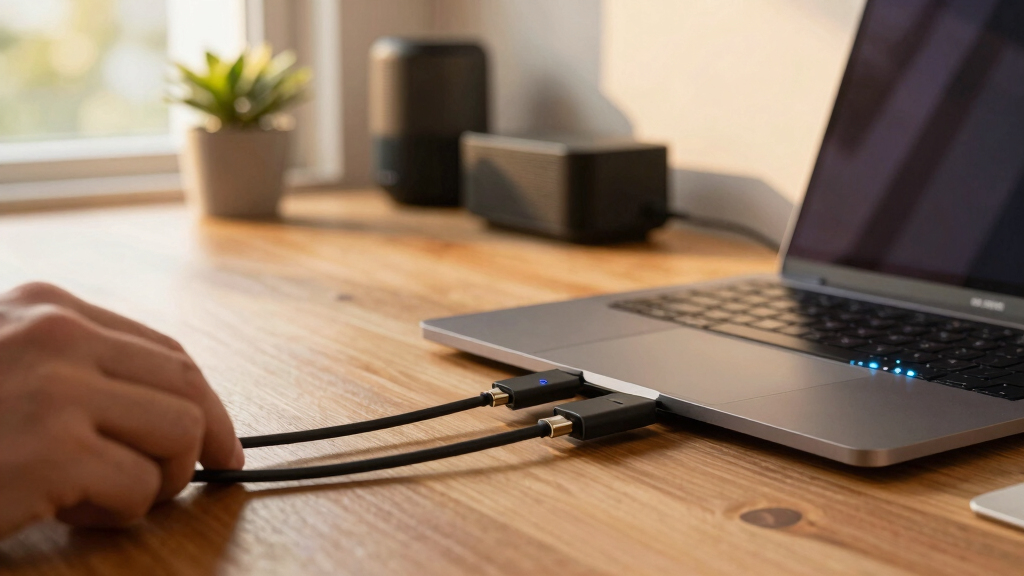
A well-known tech enthusiast publicly states they are a ‘USB-C Maximalist,’ endorsing the standard’s widespread adoption. This stance highlights ongoing industry discussions about universal ports and device compatibility.
A prominent technology advocate has publicly declared, ‘I am a USB-C Maximalist,’ emphasizing their strong support for the universal port standard in electronic devices. This declaration underscores ongoing industry discussions about the future of device connectivity and compatibility, making it a notable stance within the tech community.
The advocate, whose identity is not specified in the initial statement, expressed their support for USB-C as the dominant and future-proof port standard for smartphones, laptops, and other electronic devices. They highlighted USB-C’s versatility, fast data transfer, and ability to support multiple functions through a single port. The statement was made during a recent tech conference and has since gained attention across social media and industry circles. Experts note that while USB-C is increasingly adopted worldwide, some manufacturers still use proprietary ports, and debates about standardization continue. The advocate’s stance aligns with broader industry trends favoring universal connectivity solutions, but it remains a personal opinion rather than an official industry position.Implications of the USB-C Maximalist Position for Industry Standards
This declaration reinforces the growing acceptance of USB-C as the universal port standard, which could influence future device designs and industry regulations. It highlights the importance of compatibility and user convenience, potentially accelerating the phase-out of proprietary connectors. For consumers, this stance suggests a future where devices are more interchangeable and easier to repair or upgrade. However, it also underscores ongoing debates about standardization, patent issues, and the pace of industry adoption, making this a notable moment in the evolution of device connectivity.Products Worth Considering

Oura Ring 5 Smart Ring, Gold, Size 8

Garmin Forerunner 265S 42 mm GPS Running Watch, Light Pink and Powder Gray

Levoit Vital 100S-P Air Purifier with Washable Pre-Filter
As an affiliate, we earn on qualifying purchases.
Background on USB-C Adoption and Industry Debates
Since its introduction, USB-C has gained significant traction across consumer electronics, supported by industry giants like Apple, Samsung, and Google. The standard offers faster data transfer, higher power delivery, and a reversible design, making it appealing for a wide range of devices. Despite this, some manufacturers continue to use proprietary ports, citing reasons such as control over accessories or specific performance needs. Regulatory bodies in the European Union and other regions have pushed for universal charging standards to reduce electronic waste, further promoting USB-C adoption. The debate over standardization has persisted, with some industry players advocating for multiple standards or proprietary solutions to maintain competitive advantages. The recent declaration by the advocate reflects the ongoing push toward universal compatibility, but industry consensus remains a work in progress.
“‘USB-C is the future of device connectivity. It’s versatile, fast, and supports a wide range of functions through a single port,’”
— Tech Advocate
Unresolved Industry Debates and Adoption Challenges
It is not yet clear how widely this declaration will influence industry standards or if manufacturers will accelerate their adoption of USB-C as the primary port. Some companies may continue using proprietary connectors for strategic reasons, and regulatory actions may face delays or opposition. The impact of this stance on future device designs remains uncertain, as industry consensus is still forming.
Next Steps in USB-C Standardization and Industry Adoption
Industry stakeholders are expected to continue discussions about universal standards, with regulatory bodies potentially increasing pressure for widespread adoption of USB-C. Manufacturers may announce new device models featuring USB-C, and advocacy for standardization could influence future legislation. Observers will monitor whether the ‘USB-C Maximalist’ stance prompts broader industry shifts or remains a personal opinion within a larger debate.
Key Questions
What does it mean to be a USB-C Maximalist?
A USB-C Maximalist is someone who strongly advocates for the widespread adoption of USB-C as the universal port standard, emphasizing its versatility, speed, and future-proofing capabilities.
Why is USB-C considered the future of device connectivity?
USB-C offers fast data transfer, high power delivery, a reversible design, and multi-functionality, making it suitable for a wide range of devices and reducing the need for multiple ports.
Are all device manufacturers adopting USB-C?
While many major manufacturers are increasingly using USB-C, some still rely on proprietary ports due to strategic or technical reasons. Industry-wide adoption is accelerating but not yet universal.
Could regulatory actions accelerate USB-C adoption?
Yes, regulatory bodies like the European Union are pushing for universal charging standards, which could hasten the transition to USB-C across devices.
What are the main challenges to universal USB-C adoption?
Challenges include proprietary port ecosystems, patent licensing issues, and manufacturers’ strategic interests in maintaining differentiated connectors.
Source: hn