Laser combs can stimulate hair growth by using low-level laser therapy to boost cellular activity and improve scalp circulation. While they offer a safe, non-invasive, at-home option, results vary based on consistent use and individual factors. Typically, you need patience and several months of proper application to see noticeable improvements. If you’re curious about how to get the best results and guarantee safety, keep exploring the details ahead.
Open a free Amazon Business account
Business pricing, bulk buying and tax-exempt orders.
As an affiliate, we earn on qualifying purchases.
Key Takeaways
- Laser combs use low-level laser therapy (LLLT) to stimulate hair follicles and promote natural growth.
- Regular, consistent use over several months is necessary to see noticeable hair regrowth results.
- Effectiveness varies among individuals and depends on proper device usage and treatment protocols.
- Laser combs are a safe, non-invasive at-home option without medications or surgical procedures.
- Consulting a healthcare professional can help determine if laser combs are suitable for your hair loss condition.

If you’re struggling with hair thinning or early baldness, laser combs offer a promising, non-invasive solution. These devices utilize low-level laser therapy (LLLT) to stimulate hair follicles, potentially encouraging new growth. The concept behind laser combs is rooted in phototherapy applications, where specific wavelengths of light are used to promote cellular activity and improve circulation in scalp tissues. When used correctly, they can enhance blood flow to hair follicles, delivering oxygen and nutrients essential for healthy hair growth. Many users turn to laser combs because they’re convenient, easy to use at home, and don’t involve medications or surgical procedures.
Laser combs use low-level laser therapy to stimulate hair growth safely at home.
However, it’s important to understand that the effectiveness of laser combs hinges on proper use and adherence to laser safety protocols. These protocols are critical to avoid potential side effects like scalp irritation or eye damage. You should always follow the manufacturer’s instructions carefully, including recommended treatment durations and frequency. Protective eyewear may be necessary during sessions, especially if the device emits bright laser light. Additionally, ensuring the device is FDA-approved or cleared adds a layer of safety and reliability, as these standards are designed to guarantee that the laser intensity and wavelength are within safe limits for human tissue.
Research also indicates that consistent SSD organization tips can improve the overall efficiency and safety of your laser therapy sessions. When considering laser combs, you’ll want to research different models and their features. Some devices are designed with adjustable settings for wavelength and power, allowing you to customize treatments based on your needs.
Consistency is key: regular use over several months typically yields the best results. Keep in mind that laser therapy isn’t a quick fix; it takes time to see noticeable improvements, and results vary among individuals. In terms of safety, sticking to the recommended treatment protocols is essential. Overuse can lead to scalp discomfort or other issues, while underuse might diminish benefits. It’s also wise to consult a healthcare professional, especially if you have scalp conditions, are taking medication, or have underlying health concerns. They can help determine if laser comb therapy is suitable for you and provide guidance on safe practices.
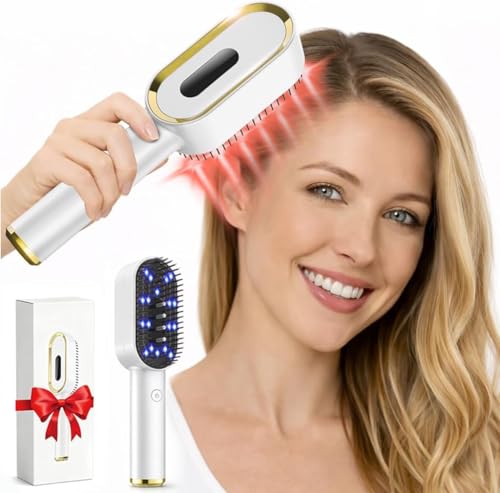
Uvsicsve Laser Hair Growth Comb – FDA Cleared 650nm LLLT Red Light Therapy for Thinning Hair Regrowth, Vibrating Scalp Massager Promotes Fuller, Thicker Hair Rechargeable for Men & Women – White
- Wavelength for Hair Regrowth: 650nm FDA-cleared red light therapy
- Effective Treatment Schedule: 3 sessions per week, 10 minutes each
- Scalp Massage Function: Built-in massage for relaxation and comfort
As an affiliate, we earn on qualifying purchases.
As an affiliate, we earn on qualifying purchases.
Frequently Asked Questions
Are Laser Combs Safe for All Skin Types?
Laser combs are generally safe for most skin types, but you should consider your skin sensitivity and device compatibility before use. If you have sensitive skin, test the device on a small area first to see how your skin reacts. Always follow the manufacturer’s instructions and consult a dermatologist if you’re unsure. Proper use minimizes risks, ensuring that the laser comb is safe and effective for your specific skin type.
How Long Does It Take to See Results?
Like planting a seed and watching it sprout, you’ll likely see initial results in about 12 to 16 weeks of consistent use. Timing expectations vary, but most users notice improvements after 3 to 4 months of regular treatment. Keep in mind, treatment duration and frequency are key. Stay committed, and within a few months, you should see your hair becoming thicker and healthier.
Can Laser Combs Be Used Alongside Other Treatments?
Yes, you can use laser combs alongside other treatments to enhance results through combination therapy. Many find treatment synergy when pairing laser combs with topical solutions like minoxidil or oral medications, which can boost hair regrowth. Just make sure to consult your healthcare provider first to ensure the treatments complement each other safely. Combining options may expedite your progress and improve overall effectiveness in stimulating hair growth.
Are There Any Long-Term Side Effects?
They say “better safe than sorry,” and it applies here. While laser combs are generally safe, some potential risks could include scalp irritation or discomfort. As for long-term safety, research is ongoing, but no significant adverse effects have been reported over extended use. However, it’s wise to monitor your scalp’s response and consult a healthcare provider if you notice any issues, ensuring your treatment remains as safe as possible.
What Is the Cost Comparison With Other Hair Restoration Options?
Laser combs are generally more affordable than hair transplants or medications long-term. With a clear cost analysis, you’ll see that laser devices require an upfront investment but don’t have ongoing medication expenses. Compared to other hair restoration options, laser combs offer a more budget-friendly choice, especially if you’re looking for a non-invasive and convenient solution. You can balance affordability and effectiveness when considering your hair growth goals.

Hair Growth Device Low Level Laser Therapy (LLLT) Device 650-660nm Laser; Red Light Therapy for Hair Growth FDA Cleared for Androgenetic Alopecia; SGS Clinically Tested, Rechargeable Battery LS-D30
- Number of Laser Diodes: 162 laser diodes for scalp coverage
- Wavelength Range: 650-660nm red light therapy
- Power Output: Less than 5mW per diode
As an affiliate, we earn on qualifying purchases.
As an affiliate, we earn on qualifying purchases.
Conclusion
If you’re considering laser combs for hair growth, remember they promise potential but deliver varied results. They may stimulate follicles, improve circulation, and boost confidence, but they also require patience, consistency, and realistic expectations. Whether you see success or not, stay informed, stay committed, and stay hopeful. Because, in the end, your journey to thicker hair depends on your persistence, your choices, and your belief in the process.

Apbier Laser Hair Growth Comb, 650nm Red Light Therapy, Black
- Clinically Proven Hair Regrowth: Dual wavelength LLLT for scalp treatment
- Wireless, Hands-Free Design: Lightweight, rechargeable, ergonomic hair comb
- FDA Cleared & Safe: Hypoallergenic silicone bristles, chemical-free
As an affiliate, we earn on qualifying purchases.
As an affiliate, we earn on qualifying purchases.
Apbier Laser Hair Growth Comb, 650nm Red Light Therapy, Black
- Clinically Proven Hair Regrowth: Dual wavelength LLLT for scalp treatment
- Wireless, Hands-Free Design: Lightweight, rechargeable, ergonomic hair comb
- FDA Cleared & Safe: Hypoallergenic silicone bristles, chemical-free
As an affiliate, we earn on qualifying purchases.
As an affiliate, we earn on qualifying purchases.
Fall Picks
fall essentials
As an affiliate, we earn on qualifying purchases.