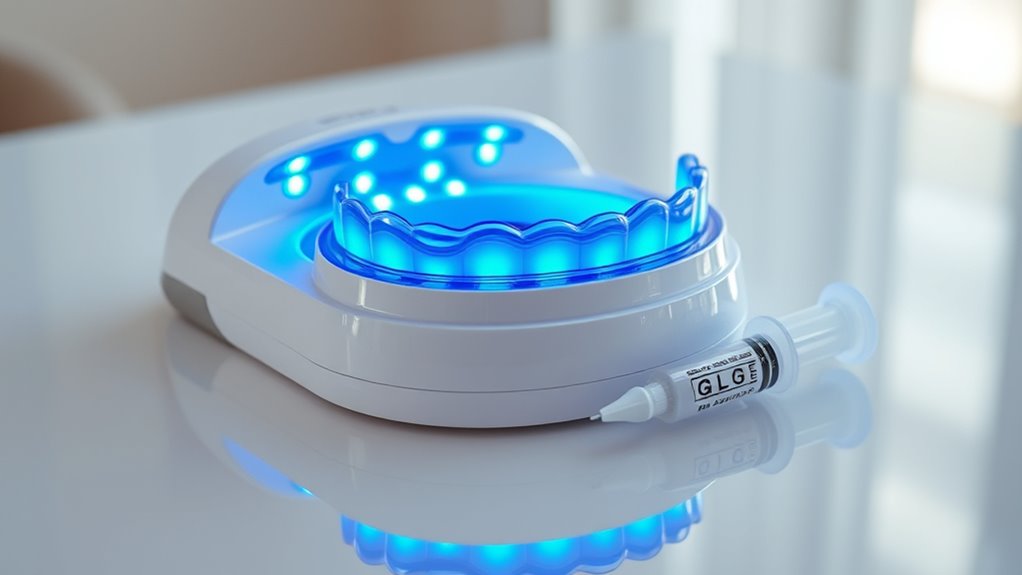

LED teeth whitening kits can brighten your smile effectively, but they usually don’t deliver results as quickly or dramatically as professional treatments. These kits use LED light to activate bleaching gels, which can improve teeth brightness over time with consistent use. However, professional whitening employs higher-strength agents and specialized equipment for faster, more noticeable results. To understand how to get the best outcome for your goals, keep exploring your options in detail.

Get wellness gear delivered free — and shop member deals
- Fast, free delivery on millions of items
- Access to Prime Big Deal Days deals on October 6–7
- Prime Video, Amazon Music and more included
Key Takeaways
- LED whitening kits can produce noticeable results but typically are less dramatic and faster with professional dental treatments.
- Dentists use higher concentration bleaching agents and controlled environments for safer, more effective whitening outcomes.
- At-home LED kits are convenient and affordable but may require longer or repeated use compared to professional procedures.
- Professional treatments often yield quicker, more consistent results due to specialized equipment and expert oversight.
- Proper dental hygiene and routine maintenance are essential for both methods to achieve and sustain optimal whitening.
As an affiliate, we earn on qualifying purchases.
How Do LED Teeth Whitening Kits Work?
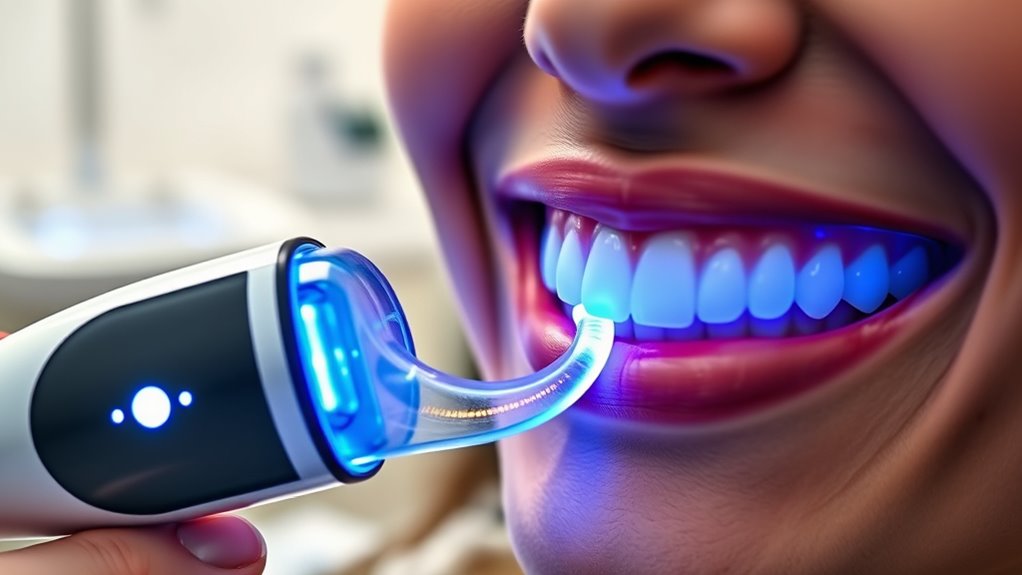
LED teeth whitening kits work by using a special light-emitting diode (LED) to activate a bleaching gel applied to your teeth. When the LED shines on the gel, it helps accelerate the chemical reactions that break down stains and discoloration. This process enhances the whitening effect, making your teeth look brighter quickly. While the primary goal is cosmetic, maintaining good dental health is essential, so always follow instructions carefully. These kits are designed to be safe for your enamel when used properly, and they offer a convenient way to improve your smile at home. The combination of the LED light and whitening gel works together to deliver noticeable cosmetic benefits, boosting your confidence with a brighter, healthier-looking smile. Additionally, color accuracy in the LED light can influence the effectiveness of the whitening process, ensuring optimal results. Proper light wavelength is crucial to maximize the whitening potential and minimize any risk to your teeth and gums. Advances in LED technology have improved the safety and efficiency of these whitening devices, making them a popular choice for at-home use. Moreover, ensuring that the LED device provides consistent and adequate light intensity can further enhance the whitening outcomes. It is also important to consider the precision of the light to target the bleaching gel effectively without affecting surrounding tissues.
at-home teeth whitening LED light
As an affiliate, we earn on qualifying purchases.
As an affiliate, we earn on qualifying purchases.
The Science Behind Professional Dental Whitening

Professional dental whitening employs advanced techniques and high-strength bleaching agents to achieve faster, more significant results than at-home kits. Dentists use controlled environments to guarantee safety and effectiveness, especially considering pediatric dentistry when treating younger patients. They carefully evaluate your oral health and consider orthodontic considerations, such as braces or aligners, to target specific areas. The active whitening agents, like hydrogen peroxide or carbamide peroxide, break down stains deep within your tooth enamel. This process involves oxidation, which transforms stubborn pigmentation into colorless molecules. Because of the stronger agents and professional oversight, results are quicker and more noticeable. Additionally, AI-powered diagnostics can assist dentists in creating tailored treatment plans, enhancing safety and efficacy. Your dentist’s expertise ensures the treatment is safe, even for complex cases involving orthodontics or sensitive teeth, making professional whitening a reliable choice for a brighter smile. To further improve outcomes, understanding the science behind oxidation helps explain why professional treatments often outperform over-the-counter options. Recognizing the importance of professional supervision can further ensure safe and effective whitening results. Moreover, the use of specialized equipment allows for precise application and monitoring throughout the procedure. Incorporating regulatory standards ensures that the materials and techniques used meet safety guidelines, further supporting successful outcomes.
professional teeth whitening kit
As an affiliate, we earn on qualifying purchases.
As an affiliate, we earn on qualifying purchases.
Comparing Ingredients: Over-the-Counter vs. Dentist-Administered
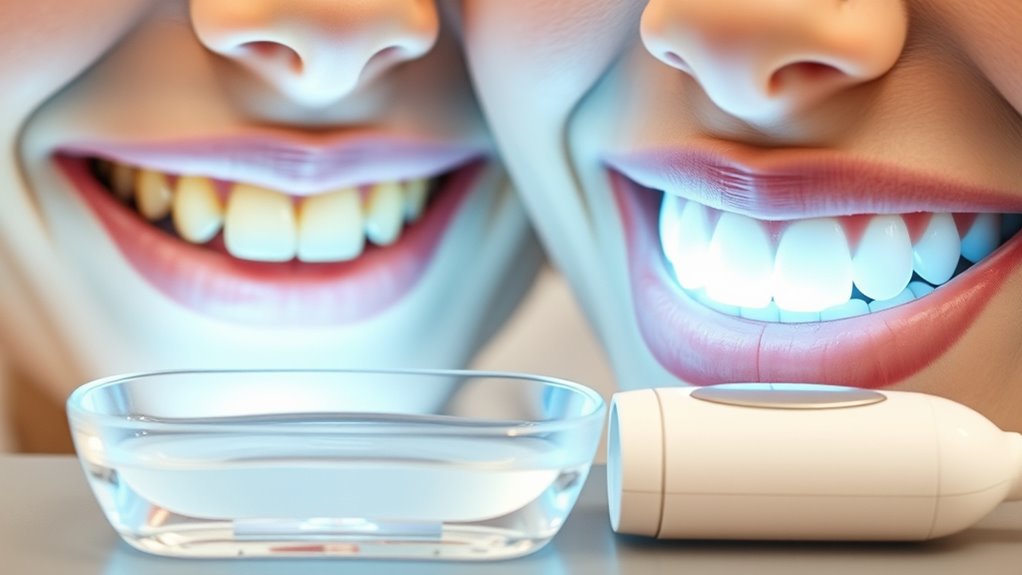
You’ll notice that over-the-counter whitening kits often contain lower concentrations of active ingredients compared to dentist-administered treatments. This difference impacts both the strength of the whitening effect and how quickly results appear. Understanding these ingredient variations helps you choose the right option for your teeth and goals. Additionally, Free Floating techniques influence the effectiveness and safety of whitening methods.
Active Ingredients Differences
When comparing active ingredients in teeth whitening kits, the main difference lies in their concentration and formulation. Over-the-counter products typically contain lower levels of hydrogen peroxide or carbamide peroxide, prioritizing ingredient safety for home use. Dentist-administered treatments often have higher concentrations, boosting whitening potency but requiring professional oversight to guarantee safety. The ingredients themselves are similar, but the formulation and dosage affect their effectiveness and safety profile. Lower concentrations reduce the risk of sensitivity and damage, making OTC kits safer for daily use. Conversely, higher-dose treatments can produce faster, more noticeable results but carry increased safety concerns if not properly managed. Understanding these ingredient differences helps you choose a whitening option that balances safety with desired results.
Concentration and Potency
The concentration of active ingredients in teeth whitening kits directly impacts their potency and results. Higher gel strength usually means increased whitening potency, which can lead to faster and more noticeable results. Over-the-counter kits often contain lower concentrations of peroxide, making them safer but less powerful. In contrast, dentist-administered treatments typically use higher peroxide levels, boosting gel strength and whitening effectiveness. This means that professional treatments can produce more dramatic results in fewer sessions. However, higher concentrations also increase the risk of tooth sensitivity and gum irritation if not carefully managed. When comparing OTC and dentist options, consider your desired results and comfort level. Ultimately, the gel strength and concentration play a vital role in how effective your whitening process will be.
teeth whitening gel with LED light
As an affiliate, we earn on qualifying purchases.
As an affiliate, we earn on qualifying purchases.
Effectiveness: What Results Can You Expect?
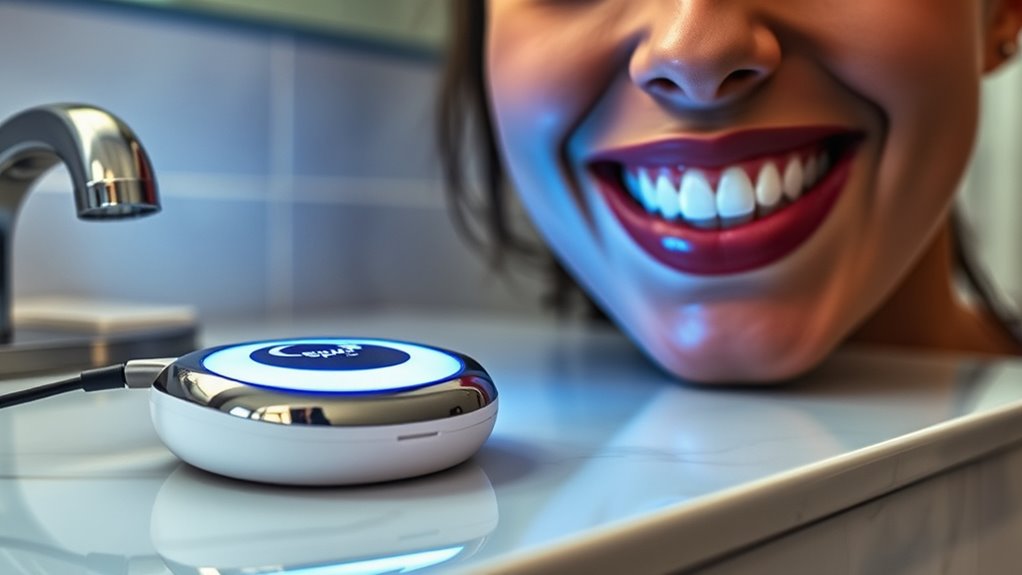
LED teeth whitening kits can deliver noticeable results in a relatively short amount of time, often within a few days to a week of consistent use. You’ll see your teeth gradually become brighter as the gel’s consistency allows for effective contact with your enamel. Many kits include shade matching tools, helping you track progress and set realistic expectations. While individual results vary based on factors like initial tooth shade and frequency of application, most users notice a visible whitening effect. Keep in mind that these kits work best for surface stains and may not dramatically change deeply discolored teeth. Regular use, following instructions, and choosing a gel with the right consistency can maximize your results and help you achieve a visibly whiter smile. Additionally, understanding the importance of little choices in daily habits can support overall oral health and enhance whitening outcomes over time. Incorporating consistent oral hygiene practices can further improve your whitening results and overall dental health. Proper product selection is essential to ensure safety and effectiveness during the whitening process, and being aware of potential sensitivities can help you avoid discomfort.
Safety and Risks of At-Home Whitening Options
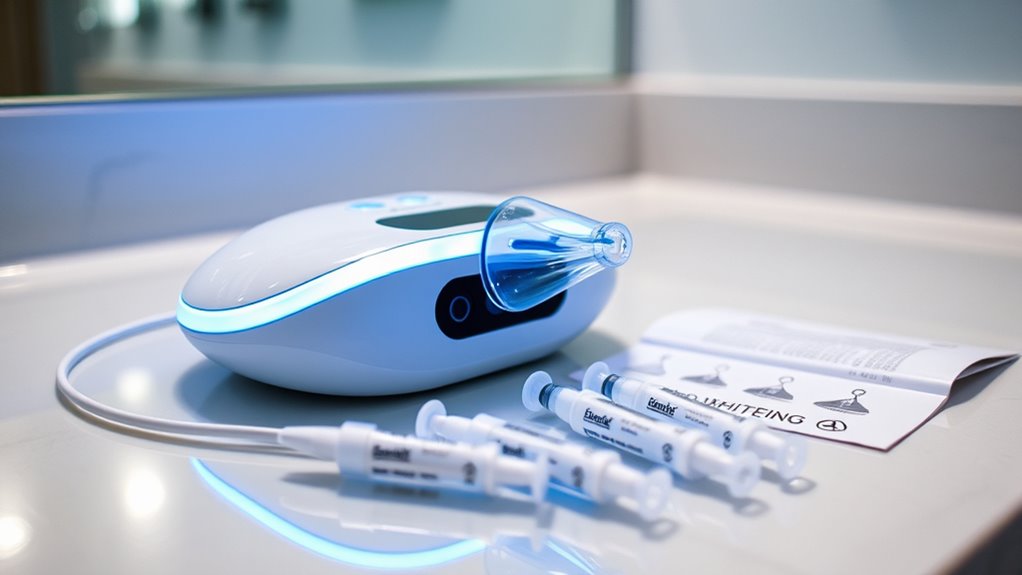
While at-home teeth whitening kits offer a convenient way to brighten your smile, they also come with safety considerations you shouldn’t overlook. Safety concerns mainly focus on ingredient safety, as some products contain harsh chemicals that can irritate gums or damage tooth enamel if misused. It’s crucial to follow instructions carefully and avoid overusing whitening gels or strips. Poor ingredient safety can lead to tooth sensitivity or uneven whitening. Additionally, products not approved by dental authorities may pose unknown risks. Before starting any at-home whitening treatment, consult your dentist to ensure the products are suitable for your oral health. Proper ingredient safety is essential to prevent adverse effects and ensure effective whitening. Being aware of safety concerns helps you minimize risks and achieve a brighter smile without compromising your dental health. Proper use of approved products can significantly reduce potential hazards and increase the likelihood of successful results. Moreover, selecting products with proven safety records can further safeguard your oral health during whitening. Ensuring that the whitening products adhere to safety standards set by dental professionals can provide additional peace of mind and protect against harmful ingredients. Incorporating clinically tested formulations can also enhance safety and efficacy during whitening treatments.
Time Commitment and Convenience Factors
LED teeth whitening kits typically require a specific application duration, but many are designed for quick and straightforward use. You’ll find the process easy to follow, fitting into your daily routine without much hassle. Plus, their flexible timing options let you choose when to whiten, making it more convenient for your schedule. Modern kitchen technology emphasizes automation and precision, which is also reflected in these advanced whitening systems. Additionally, the net worth of some influencers promoting these kits demonstrates the growing commercial interest in at-home whitening solutions. For optimal results, proper device placement and setup can enhance the effectiveness of the whitening process. Considering cost‑of‑ownership factors can help you weigh the long-term value of these kits compared to professional treatments. Understanding water chemistry and how it affects product efficacy can also contribute to achieving the best outcomes.
Application Duration Requirements
Application duration is a key factor to contemplate when choosing a teeth whitening kit, as it directly impacts your convenience and schedule. Longer treatment times may require more commitment but can lead to better color matching results, giving you a brighter smile. Shorter applications are appealing, yet they might not deliver the same effectiveness. Be mindful of tooth sensitivity; prolonged or intense sessions can increase discomfort, so following recommended durations is crucial. Some kits specify application times ranging from 10 to 30 minutes per session, making it easier to fit into your day. Consistency is essential, but balancing time commitment with comfort ensures you don’t sacrifice safety for speed. Choosing a kit with suitable duration requirements helps you achieve your desired whitening results without unnecessary inconvenience.
Ease of Use Process
The ease of use process is a crucial factor to contemplate when selecting a teeth whitening kit, as it directly influences how smoothly your treatment fits into your daily routine. A straightforward process ensures you can consistently achieve noticeable color change and stain removal without hassle. Many kits require minimal steps, often involving applying a gel and using the LED light for a set period. The convenience of these kits means you can fit whitening sessions into your schedule easily—whether during a break or while watching TV. Some kits also feature simple application methods, reducing the risk of mess or error. Overall, an easy-to-use kit helps you stay committed, making it more likely you’ll see the desired results in less time.
Time Flexibility Benefits
When choosing a teeth whitening kit, considering time flexibility is key to maintaining consistent use without disrupting your daily schedule. LED whitening kits often offer shorter treatment sessions, making it easier to fit into your routine. This convenience supports better dental hygiene habits by encouraging regular use, which is essential for effective whitening. Unlike whitening myths that suggest longer treatments are always better, these kits provide quick results without sacrificing quality. You can whiten your teeth during breaks, before bed, or even on lunch breaks, giving you control over your time. The flexibility helps you stay committed without feeling overwhelmed or sacrificing other priorities, making professional results more attainable without the need for frequent dentist visits.
Cost Differences Between DIY and Professional Treatments
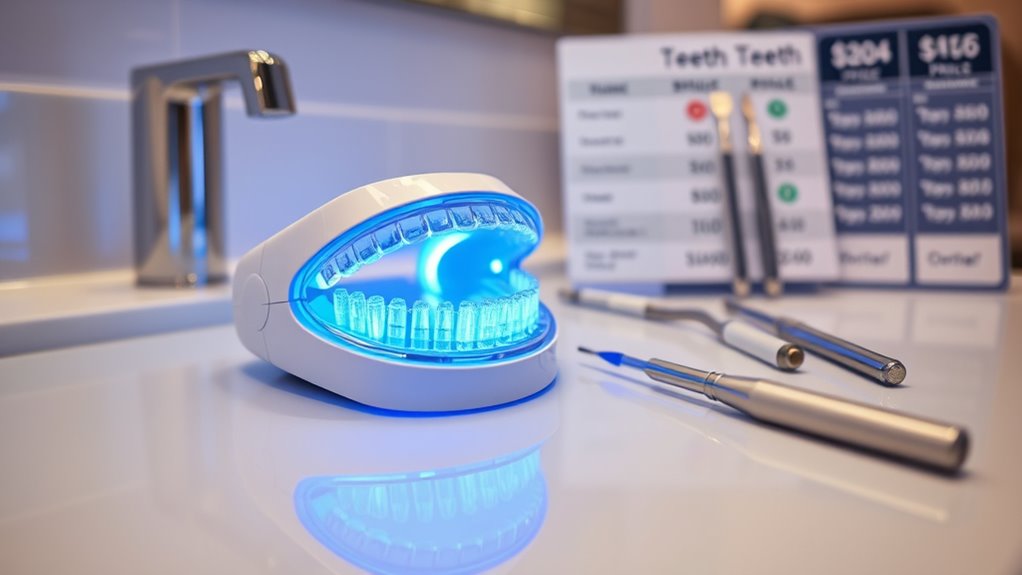
While DIY LED teeth whitening kits are usually more budget-friendly upfront, they often cost less per treatment compared to professional options. A clear price comparison shows that at-home kits typically range from $20 to $100, allowing multiple uses over time. In contrast, professional treatments at a dental office can cost between $300 and $1,000 per session. Insurance coverage generally doesn’t apply to cosmetic procedures, whether DIY or professional, so you’re responsible for the full cost. However, some dental plans may cover part of the expense if the whitening is part of a broader dental treatment. Overall, DIY kits are more economical initially, but professional treatments may offer longer-lasting results, which could justify the higher price in the long run.
Potential Side Effects and How to Minimize Them

Using DIY LED teeth whitening kits can sometimes lead to side effects such as tooth sensitivity and gum irritation, especially if you don’t follow the instructions carefully. To minimize tooth sensitivity, avoid overusing the product and follow recommended application times. Protect your gums by applying the included barriers or avoiding contact with the soft tissues. Poor application or prolonged use can increase gingivitis risks and worsen gum irritation. Maintaining good oral hygiene before and after whitening helps reduce these risks. If you experience persistent pain or discomfort, stop using the kit and consult your dentist. Being cautious and adhering to the guidelines helps you achieve a brighter smile while minimizing side effects like tooth sensitivity and gum irritation.
Which Option Is Best for Your Smile Goals?
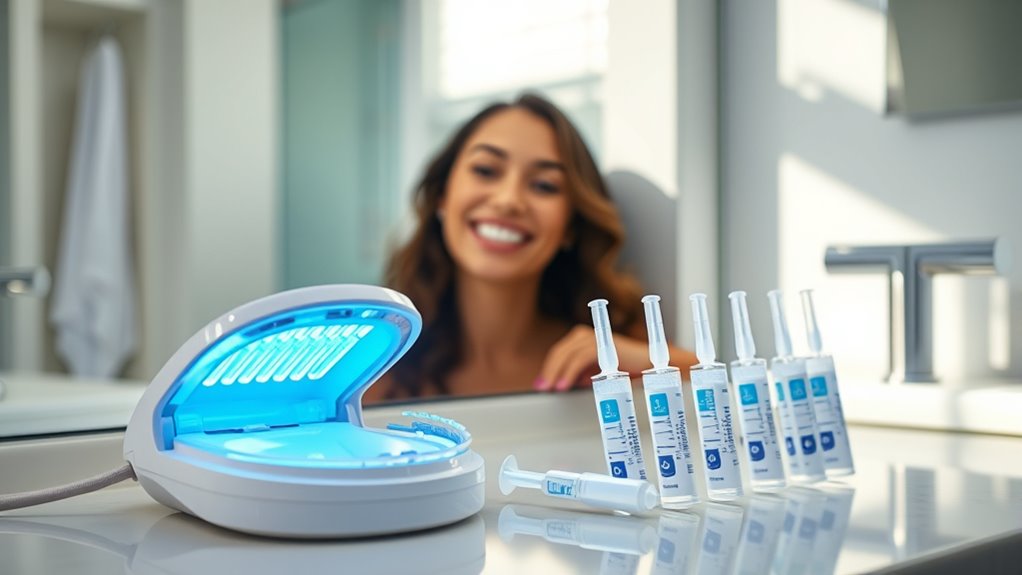
Choosing the right whitening option depends on your budget, desired results, and how easy it is to use. Consider what matters most to you—saving money, achieving faster whitening, or fitting treatment into your schedule. By weighing these factors, you can find the best kit to meet your smile goals.
Cost and Budgeting
Are you trying to find a teeth whitening option that fits your budget without compromising your smile goals? Good budget planning starts with an expense comparison. LED whitening kits are typically more affordable upfront than professional treatments, but costs can vary. Some kits are budget-friendly, while others offer more features at a higher price. Consider how often you’ll need to replace gels or devices, and factor in long-term expenses. Comparing prices and features helps you determine which option aligns with your financial situation. Remember, the cheapest kit isn’t always the best value if it doesn’t meet your goals or requires frequent replacements. By carefully weighing costs versus benefits, you can choose a whitening solution that fits your budget while helping you achieve the smile you want.
Effectiveness and Results
When it comes to achieving your ideal smile, selecting the most effective whitening option depends on your specific goals. LED teeth whitening kits can deliver noticeable results, but their effectiveness varies based on your dental hygiene and tooth sensitivity. If you have sensitive teeth, you might see less dramatic results or experience discomfort. For those aiming for quick, significant whitening, professional treatments often outperform at-home kits. However, consistent use of LED kits can improve overall brightness over time. Consider this comparison:
| Feature | LED Whitening Kits | Dentist-Performed Whitening |
|---|---|---|
| Speed of Results | Moderate to fast | Fast |
| Tooth Sensitivity | Possible, varies | Minimized |
| Long-term Effectiveness | Good with maintenance | Longer-lasting |
| Cost | Moderate | Higher |
| Dental Hygiene Impact | Critical for best results | Essential |
Convenience and Accessibility
While the effectiveness of whitening methods varies, your priorities for convenience and accessibility can help determine the best option for your smile goals. LED teeth whitening kits often excel in ease of use, allowing you to whiten teeth at home on your schedule. They’re typically affordable and easy to purchase online or in stores, making them accessible to many. When choosing a product, consider how branding strategies and marketing approaches influence your perception of quality and credibility. Some brands emphasize user-friendly features, while others focus on quick results. Ultimately, the most convenient method aligns with your lifestyle, ensuring you can maintain consistency without visiting a dentist. This accessibility makes LED kits a popular choice for those seeking a simple, cost-effective way to brighten their smile.
Making an Informed Choice: Factors to Consider
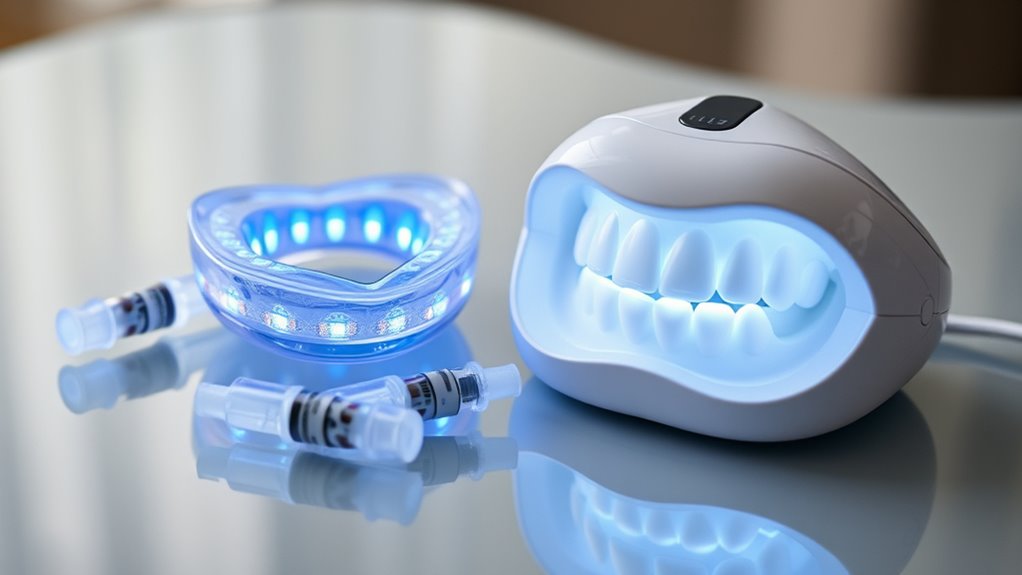
Choosing the right LED teeth whitening kit requires careful consideration of several key factors. First, assess the safety and effectiveness of the product, ensuring it’s approved by relevant health authorities. Next, consider ethical concerns, such as cruelty-free ingredients and transparent manufacturing practices. The environmental impact is also important—look for kits with eco-friendly packaging and minimal waste. Additionally, evaluate the ingredients to avoid harsh chemicals that could harm your teeth or gums. Finally, review customer feedback to gauge real-world results and satisfaction. By weighing these factors—safety, ethics, environmental impact, and user reviews—you can make a more informed decision, selecting a kit that aligns with your values and needs while delivering the best possible whitening results.
Frequently Asked Questions
How Long Does It Take to See Noticeable Whitening Results?
You can usually see noticeable whitening results within a few days to two weeks when using LED teeth whitening kits at home. While home remedies may take longer or be less effective, professional treatments often yield faster results, sometimes within a single session. Consistent use and following instructions enhance effectiveness, but patience is key—your teeth will gradually brighten as you stick to your chosen whitening method.
Can LED Whitening Kits Damage Enamel or Gums?
Think of LED whitening kits like a gentle tide—if used properly, they won’t erode your enamel or cause gum irritation. When you follow instructions carefully, the risk of enamel erosion or gum irritation stays low. However, overuse or improper application can increase these risks. Always read directions, avoid overdoing it, and consult a dentist if you notice sensitivity or discomfort to keep your smile safe.
Are LED Whitening Kits Effective on All Types of Stains?
LED whitening kits are effective on many stains, but they may struggle with gel stain removal or intrinsic discoloration. If your stains come from deep within the tooth or are caused by medication or aging, these kits might not fully whiten your teeth. For surface stains caused by food or drink, they usually work well. However, persistent or intrinsic discoloration often requires professional dental treatments for ideal results.
How Often Should I Use an LED Whitening Kit Safely?
You should use an LED whitening kit no more than 2-3 times a week to guarantee safe usage and prevent tooth sensitivity. Follow the manufacturer’s instructions carefully, and pay attention to safety considerations like avoiding overuse. If you notice discomfort or sensitivity, stop using the kit and consult your dentist. Regular but moderate application helps you achieve brighter teeth while keeping your oral health protected.
Do LED Whitening Kits Work on Sensitive Teeth?
Yes, LED whitening kits can work on sensitive teeth, but sensitivity management is key. You should look for products with gentle ingredients like potassium nitrate or aloe vera that soothe rather than irritate. While the bright, confident smile you desire shines like a spotlight, be cautious—overuse or harsh ingredients may cause discomfort. Always follow instructions carefully and consider consulting your dentist for personalized advice.
Conclusion
Choosing between LED kits and professional whitening is like steering a maze—each path has its twists and turns. If you want quick, noticeable results, a dentist’s expertise is your guiding star. But if you’re comfortable with a bit of trial and error, DIY kits can brighten your smile without breaking the bank. Whichever route you take, make sure it aligns with your goals and safety, so your smile shines as bright as your confidence.
Evergreen bestsellers Picks
bestsellers
As an affiliate, we earn on qualifying purchases.