
TL;DR

Get wellness gear delivered free with Prime
- Fast, free delivery on millions of items
- Prime Video, Amazon Music and more included
- Member-only deals all year
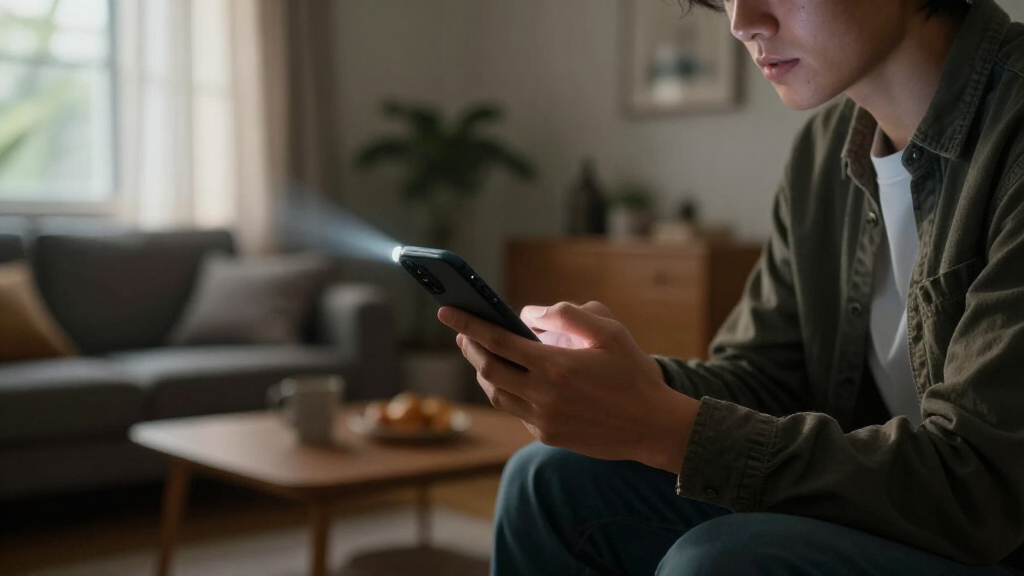
A new development shows smartphones utilizing their LED flash with integrated AI to detect hidden cameras. This trend is gaining attention due to rising privacy worries, though official details remain unconfirmed. The technology could help users identify covert surveillance devices more easily.
Evidence suggests that certain smartphones now incorporate AI-powered LED flashes designed to detect hidden cameras. This development, observed through rising online interest, could offer users a new tool to safeguard their privacy. While the feature is not yet confirmed by major manufacturers, the trend signals a shift toward integrating surveillance detection into everyday devices, driven by increasing public concern over covert recording devices.
Recent online searches and tech discussions reveal a surge in interest around smartphones with LED flashes enhanced by artificial intelligence to identify hidden cameras. These devices purportedly use the LED’s light and AI algorithms to analyze reflections and infrared signals that may indicate the presence of a covert camera lens. Experts note that this concept leverages existing smartphone hardware, with AI algorithms processing data in real time to flag potential threats.
However, there is no official confirmation from major smartphone manufacturers or credible security agencies about the rollout of such features. The reports are primarily based on leaked images, patent filings, and user speculation circulating on tech forums and social media. The trend appears to be in the early stages of development or testing, with no widespread commercial availability yet.
Privacy advocates see potential benefits in such technology, emphasizing that it could empower individuals to detect hidden surveillance devices in private spaces, hotels, or public areas. Nonetheless, experts caution that the effectiveness of these AI-powered LED detection methods remains unverified, and false positives could occur, leading to false alarms or misplaced trust.
Implications for Personal Privacy and Surveillance Detection
The possible integration of AI-driven hidden camera detection into smartphones could significantly impact personal privacy and security. As surveillance technology becomes more covert and accessible, tools that help individuals identify unauthorized recording devices are increasingly valuable. If validated and widely adopted, this feature could serve as a practical safeguard against covert surveillance, especially in sensitive environments such as hotel rooms, changing areas, or corporate offices.
However, the unconfirmed nature of this technology also raises concerns about reliability and misuse. False alarms could lead to unnecessary paranoia or disputes, and there are questions about the legal and ethical implications of using such detection tools in different jurisdictions. Overall, the trend underscores growing public interest in personal privacy amidst a landscape of increasing surveillance capabilities.
Products Worth Considering

Withings BPM Connect Blood Pressure Monitor with Wi-Fi and Bluetooth

Philips Sonicare 5950 Rechargeable Electric Toothbrush with 2 Brush Heads, Pink

Hyperice Hypervolt 2 Handheld Percussion Massage Gun
As an affiliate, we earn on qualifying purchases.
Growing Interest in Surveillance Detection Technologies
The trend toward integrating surveillance detection into consumer devices reflects broader concerns about privacy and security. Over recent years, reports of hidden cameras in private spaces, spy devices, and covert recording have fueled public anxiety. While specialized tools for detecting hidden cameras exist, they are often expensive or require technical expertise. The idea of embedding such capabilities into smartphones—devices most people carry daily—could democratize access to surveillance detection.
This interest has coincided with increased media coverage of privacy breaches and legislative debates over surveillance laws. Search interest spikes suggest that consumers are actively seeking solutions to protect themselves, although most claims about AI-enabled detection remain speculative at this stage. The trend appears to be driven by both technological innovation and heightened awareness of privacy risks.
Unverified Status of AI-Enabled Detection Features
There is no official confirmation from major smartphone makers or security agencies about the existence or upcoming release of AI-powered LED detection features. Most information is based on leaks, patent filings, and user speculation, making the actual capabilities and availability uncertain. The effectiveness of these methods is also unproven, and independent testing has not yet been reported.
Monitoring Official Announcements and Validation Studies
Industry observers expect that if such features are in development, manufacturers may announce them in upcoming product launches or software updates. Independent researchers and cybersecurity experts will likely conduct tests to verify the technology’s effectiveness. Consumers should watch for official statements from device makers and credible security organizations to confirm the capabilities and limitations of these AI-enhanced detection tools.
Key Questions
Can my current smartphone detect hidden cameras?
Most smartphones do not currently have built-in AI-powered LED features for detecting hidden cameras. The trend is emerging, but official, widely available products are not yet confirmed.
How reliable are AI-based hidden camera detectors?
Since the technology is still under development or unconfirmed, its reliability remains uncertain. Independent testing and validation are needed to determine accuracy and false positive rates.
Legal considerations vary by jurisdiction. In some areas, using detection tools is permitted, while in others, it may violate privacy or surveillance laws. Users should familiarize themselves with local regulations.
Will this technology be available on all smartphones?
It is too early to tell. If the technology proves viable, it may initially appear on high-end models or as part of specialized security apps before becoming more widespread.
What should I do if I suspect a hidden camera in my space?
Use multiple detection methods, including physical inspection and specialized devices if available. Rely on official and tested tools, and consult local authorities if needed.
Source: hn