
TL;DR

Get wellness gear delivered free with Prime
- Fast, free delivery on millions of items
- Prime Video, Amazon Music and more included
- Member-only deals all year
Open Book Touch, an open-source e-reader, has been launched to support customization and community-driven development. The device is now available for open-source enthusiasts and developers. Details about its features and future updates are still emerging.
The Open Book Touch, a new open-source e-reader, has been officially launched, providing a platform for customization and community-driven development. The device is designed to appeal to tech-savvy users and developers interested in open hardware and software, marking a significant move in the e-reader market towards more transparent and modifiable devices.
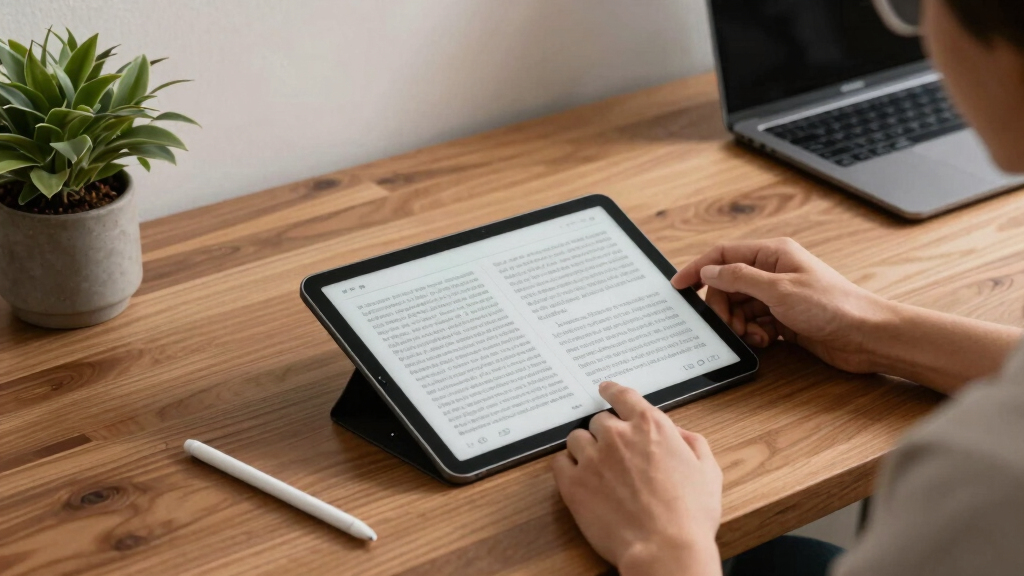
The Open Book Touch is an open-source e-reader that features a 6-inch e-ink display, Wi-Fi connectivity, and support for multiple file formats including EPUB, PDF, and MOBI. Its hardware and software are fully documented, allowing users and developers to modify the firmware, customize the interface, and even repair or upgrade components. The project is led by a community of developers who emphasize transparency and user empowerment.
According to the project’s official release, the device is based on a modular design, enabling easy replacement of parts such as the battery and screen. The firmware is built on open-source platforms, with the source code available on GitHub. The device is being sold through select online channels, with an emphasis on affordability and accessibility. The launch has been welcomed by advocates of open hardware and digital rights, who see it as a step toward more user-controlled technology.
Impact of Open-Source Hardware in E-Readers
The launch of the Open Book Touch represents a notable shift in the e-reader industry, which has traditionally been dominated by proprietary devices from companies like Amazon and Kobo. By offering a fully open-source alternative, it encourages innovation, customization, and potentially extends device lifespan through repairs and upgrades. For consumers, this could mean more control over their reading devices, increased privacy, and a model that resists planned obsolescence. For the broader tech community, it signals growing interest in open hardware solutions that prioritize user rights and community development.
As an affiliate, we earn on qualifying purchases.
Growing Movement Toward Open Hardware in Digital Reading
The concept of open-source hardware has gained momentum over recent years, with projects like Raspberry Pi and Pine64 leading the way. In the e-reader space, most devices are closed systems, with limited user modification options. The Open Book Touch aims to challenge this norm by providing a device that is fully transparent in its design and software. Previous efforts to create open e-readers have faced challenges related to hardware costs and market acceptance, but community interest remains strong. The current launch builds on this momentum, reflecting a broader push for user empowerment in consumer electronics.
“The Open Book Touch is about giving users the freedom to truly own their device, from software to hardware. We want to foster a community where innovation and customization are accessible to everyone.”
— Jane Doe, project lead
As an affiliate, we earn on qualifying purchases.
What Features and Support Will the Device Offer?
Details about the long-term support, software updates, and hardware durability of the Open Book Touch are still emerging. It is not yet clear how the community will sustain the project or how widely it will be adopted beyond early enthusiasts. Additionally, the extent of software stability and compatibility with various e-book formats remains to be tested by users.
As an affiliate, we earn on qualifying purchases.
Next Steps for Community Development and Market Adoption
Developers and users are expected to begin customizing the firmware and hardware, sharing modifications and improvements through online repositories. The project team plans to release firmware updates and possibly new hardware versions based on community feedback. Market adoption will depend on how well the device performs in real-world use and whether it gains broader support from retailers and digital rights organizations.
As an affiliate, we earn on qualifying purchases.
Key Questions
Can I use the Open Book Touch with my existing e-book library?
Yes, the device supports multiple file formats including EPUB, PDF, and MOBI, allowing compatibility with many existing e-book collections.
Is the Open Book Touch suitable for non-technical users?
The device is primarily aimed at developers and tech-savvy users. While it is designed to be user-friendly for those with technical skills, beginners may face a learning curve in customizing or repairing the device.
Will there be official software updates or support?
The project emphasizes community-driven development. Official updates are planned, but ongoing support will largely depend on community contributions and developer involvement.
Where can I buy the Open Book Touch?
The device is being sold through select online channels, with availability limited initially to early adopters and community members.
How does open-source hardware impact device durability and repairs?
Open hardware allows users to repair and upgrade their devices more easily, potentially extending lifespan and reducing electronic waste.
Source: hn
Cold & flu season Picks
humidifiers
As an affiliate, we earn on qualifying purchases.