
If you’re choosing between red light face masks and full panels, consider your skincare goals and lifestyle. Masks are compact, affordable, and great for targeted treatments on your face, making them ideal for quick, focused improvements. Full panels cover larger areas more evenly and may deliver faster results for overall skin rejuvenation, but they require more space and investment. To find the best fit and discover which option suits your needs best, explore the detailed differences further.

Get wellness gear delivered free — and shop member deals
- Fast, free delivery on millions of items
- Access to Prime Big Deal Days deals on October 6–7
- Prime Video, Amazon Music and more included
Key Takeaways
- Face masks offer targeted, focused treatment ideal for specific skin concerns, while full panels provide broader coverage for comprehensive rejuvenation.
- Masks are compact, portable, and user-friendly, suitable for quick, daily use; panels require space and longer sessions for extensive treatment.
- Full panels emit more intense, evenly distributed light, potentially leading to faster and more uniform skin improvement than masks.
- Masks are more affordable and accessible for beginners or casual users; panels are a higher investment but support larger areas and holistic therapy.
- The choice depends on individual goals, lifestyle, and budget—masks for targeted, convenient treatments; panels for extensive, multi-area benefits.

When it comes to red light therapy, choosing between face masks and full panels can be confusing. Both options utilize LED therapy to promote skin rejuvenation, but they serve different needs and preferences. If you’re looking for targeted treatment, a face mask might be appealing. Designed specifically for the face, these masks are compact, easy to use, and often come with adjustable settings to customize your sessions. They deliver focused red light to stimulate collagen production, which helps reduce fine lines, improve skin tone, and enhance overall skin texture. Because they’re portable and simple to incorporate into your routine, masks are ideal for those new to LED therapy or with specific skin concerns. Additionally, the smaller size of masks makes them more suitable for Free Floating applications, allowing for precise treatment of delicate facial areas.
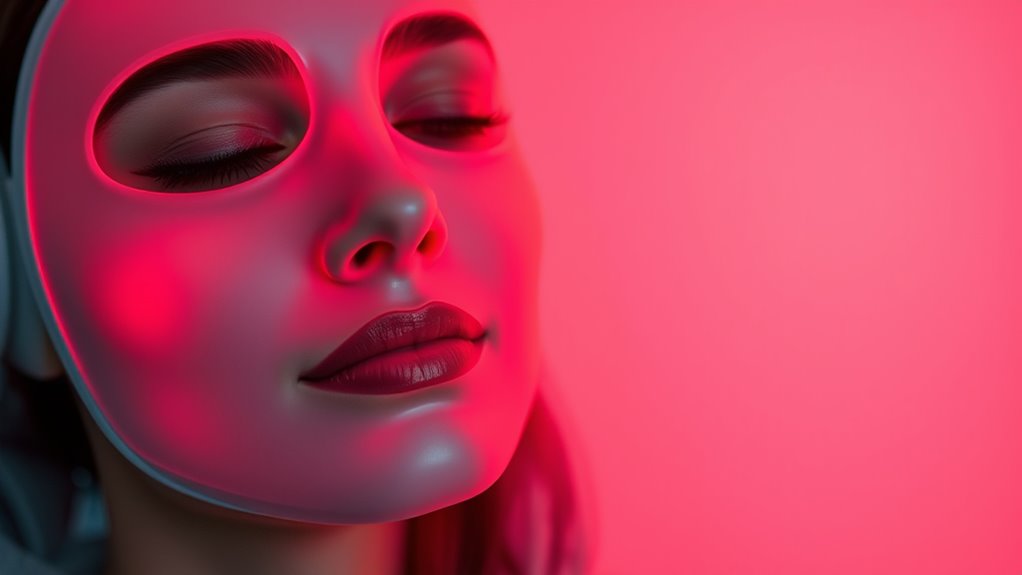
Face masks are compact, easy-to-use LED devices perfect for targeted skin rejuvenation.
However, if you’re after more comprehensive coverage or want to treat multiple areas simultaneously, full panels could be the better choice. These larger devices emit red and near-infrared light across broader surfaces, making them suitable for treating not just the face but also the neck, chest, or other parts of your body. Full panels often come with adjustable arms, multiple light panels, and higher power output, allowing for more intense sessions. Their design ensures even distribution of light, which can lead to more uniform results and potentially faster skin rejuvenation. If you’re serious about maximizing LED therapy benefits or aiming for more extensive skin improvements, full panels offer a versatile and powerful option.
Another factor to consider is convenience. Face masks are lightweight, portable, and quick to set up — perfect for busy schedules or travel. They allow you to target your face precisely without much fuss. Full panels, on the other hand, might require a dedicated space and longer sessions, but they provide a holistic approach that can save time if you’re treating multiple body areas. Cost is also a consideration; masks tend to be more affordable upfront, making them accessible for beginners or casual users. Full panels tend to be pricier but can deliver more intense and comprehensive results over time.
Ultimately, your choice hinges on your goals, budget, and lifestyle. If you want straightforward, focused skin rejuvenation and easy daily use, a face mask could be enough. But if you’re seeking more extensive treatment options or faster, more noticeable results, investing in a full panel makes sense. Both devices harness the power of LED therapy to boost collagen, improve skin texture, and promote youthfulness — you just need to pick the one that aligns best with your skincare aspirations.
As an affiliate, we earn on qualifying purchases.
Frequently Asked Questions
How Long Does Each Treatment Typically Take to See Results?
You can usually see results within 4 to 8 weeks, depending on the treatment duration and your skin’s response. Red light face masks often show improvements faster, sometimes in a few weeks, with consistent use. Full panels may take a bit longer due to broader coverage. Keep in mind, patience and regular treatments are key to achieving the best result timeline, so stick with your routine.
Are There Any Risks or Side Effects Associated With Red Light Therapy?
Imagine using red light therapy and noticing redness or irritation afterward—that’s a sign of skin sensitivity. While generally safe, safety concerns include mild side effects like dryness or temporary irritation. People with sensitive skin should start with shorter sessions and consult a dermatologist. Rarely, overexposure can cause burns, so always adhere to instructions. Monitoring your skin’s response ensures you enjoy benefits without risking adverse effects.
Can These Devices Be Used on Sensitive Skin Types?
If you have sensitive skin, you should carefully check the device compatibility before use. Many red light therapy devices are gentle and suitable for sensitive skin, but some may cause irritation or redness. Start with shorter sessions and observe how your skin reacts. Look for devices specifically designed for sensitive skin, and consult a dermatologist if you’re unsure. Always follow the manufacturer’s instructions for safe, effective treatment.
How Often Should I Use a Red Light Face Mask or Panel?
You should use a red light face mask or panel 3 to 5 times a week for ideal results. Research shows consistent use enhances skin clarity and reduces wrinkles. To maintain your device, clean it after each session and store it in a cool, dry place. Stick to this usage frequency and maintenance tips to guarantee safe, effective treatments, and see noticeable improvements in your skin over time.
Are Professional Treatments More Effective Than At-Home Devices?
Professional treatments tend to be more effective due to higher clinical efficacy and advanced technology. They deliver stronger, targeted light therapy for faster results. However, they’re also more costly upfront. At-home devices are convenient and affordable, but may not match the intensity of professional treatments. If you want ideal results and are willing to invest, professional options are better. Otherwise, consistent at-home use still offers noticeable skin improvements over time.
full body red light therapy panel
As an affiliate, we earn on qualifying purchases.
As an affiliate, we earn on qualifying purchases.
Conclusion
So, whether you opt for a sleek mask or a full panel, the truth is, both promise glowing skin. Yet, no matter how advanced the technology, skincare still involves a bit of trial and error — and a dash of hope. Ironically, after all the choices, sometimes the simplest routines are the most effective. So, pick what feels right, but don’t forget: glowing skin isn’t just about gadgets; it’s about consistent care.
As an affiliate, we earn on qualifying purchases.
As an affiliate, we earn on qualifying purchases.
Fall Picks
fall essentials
As an affiliate, we earn on qualifying purchases.