Massage guns can temporarily relieve muscle tension and improve blood flow, but they don’t fully break up deep or stubborn muscle knots on their own. They work best when used correctly and combined with other techniques like fascia release or professional therapy. For persistent or complex knots, additional treatments may be necessary. If you want to understand how to get the most effective relief and address deeper issues, there’s more worth exploring.
Open a free Amazon Business account
Business pricing, bulk buying and tax-exempt orders.
As an affiliate, we earn on qualifying purchases.
Key Takeaways
- Massage guns can help reduce muscle tightness but may not fully eliminate deep or stubborn knots.
- They stimulate blood flow and deactivate trigger points, providing temporary relief from muscle tension.
- Effectiveness depends on proper technique and combining with other therapies like fascia release.
- Deep or chronic knots often require professional manual therapy for complete resolution.
- Combining massage guns with targeted treatments offers a more comprehensive approach to muscle knot relief.

If you’ve ever experienced stubborn muscle knots, you know how painful and frustrating they can be. These tight, tender areas can restrict movement and cause ongoing discomfort. Many people turn to massage guns, hoping they’ll provide quick relief, but do they really break up muscle knots? The answer isn’t straightforward. While massage guns can be effective for certain types of muscle tension, their ability to target and eliminate deep-seated knots depends on the technique and the underlying cause of the knots.
One way massage guns may help is through trigger point therapy. Trigger points are hyperirritable spots within a muscle that cause pain and can radiate discomfort to other areas. When you use a massage gun on these points, the rapid, targeted pulses help increase blood flow and reduce muscle tightness. This stimulation can sometimes deactivate trigger points, easing pain and improving range of motion. However, for persistent or deep knots, trigger point therapy alone might not be enough. You might need additional strategies, like manual therapy or professional interventions, to fully resolve the issue.
Fascia release is another concept often associated with muscle knots. Fascia is the connective tissue that surrounds muscles, nerves, and organs, providing support and structure. Sometimes, fascia becomes tight or adhesed, trapping muscles and creating knots that don’t respond well to superficial massage. Using a massage gun in conjunction with fascia release techniques, such as myofascial release, can help loosen these restrictions. By applying sustained pressure, either manually or with a device, you can encourage the fascia to relax, which in turn might reduce the appearance of muscle knots. While massage guns can assist in fascia release, they’re most effective when used carefully and in combination with other methods tailored to your specific needs. Additionally, understanding the role of energy-efficient technology in health and wellness devices can help you choose the most effective tools for your recovery.
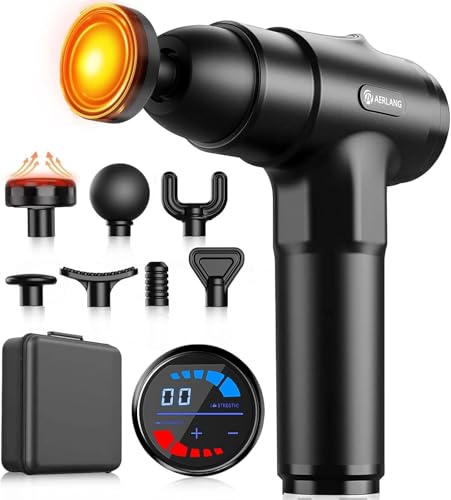
Massage Gun with Heat Massager Deep Tissue Muscle Massager Gifts for Men
- Heated Massage Head: Includes professional heated massage head with switch
- Multiple Massage Heads: Six interchangeable massage heads for different muscle groups
- LCD Display: Real-time pressure display with easy control
As an affiliate, we earn on qualifying purchases.
As an affiliate, we earn on qualifying purchases.
Frequently Asked Questions
Can Massage Guns Prevent Future Muscle Knots?
Massage guns can help prevent future muscle knots by promoting muscle relaxation and reducing trigger points. Regular use targets tight areas before they turn into painful knots, improving blood flow and flexibility. By easing tension, you lower the risk of developing new trigger points. Consistent use, combined with proper stretching and hydration, keeps your muscles more relaxed and less prone to forming knots over time.
Are Massage Guns Effective for Chronic Muscle Tension?
Massage guns can effectively relieve chronic muscle tension, especially in deep tissue and trigger points. They stimulate blood flow and help loosen tight muscles, providing relief from ongoing discomfort. While they don’t permanently eliminate tension, regular use can reduce muscle tightness and improve mobility. You’ll find that incorporating a massage gun into your routine offers a convenient way to manage chronic tension, making your muscles feel more relaxed and less painful.
How Often Should I Use a Massage Gun for Muscle Knots?
You should use a massage gun for muscle knots about 2-3 times a day, ensuring you don’t overdo it. Focus on trigger points to promote muscle relaxation, but listen to your body’s signals. Keep each session around 1-2 minutes per area, and avoid applying excessive pressure. Regular use helps loosen tight muscles, reduce pain, and improve flexibility without risking overstimulation or soreness.
Are There Risks of Using Massage Guns Without Professional Guidance?
Using massage guns without professional guidance can increase your injury risk, especially if you’re new to self-treatment. Without proper technique, you might apply too much pressure or target the wrong areas, leading to muscle strain or bruising. Always start gently, follow manufacturer instructions, and consult a healthcare professional if you’re unsure. This helps prevent injury and makes sure you’re effectively using the device for muscle relief.
Do Massage Guns Work Better Than Traditional Massage Therapy?
Massage guns can be more effective than traditional massage therapy for muscle recovery and pain relief because they deliver targeted, consistent percussive therapy. You might notice faster relief and improved flexibility, especially after workouts. While both methods help, massage guns allow you to focus on specific areas, providing immediate relief. However, combining both approaches can optimize your recovery process and reduce muscle tension more efficiently.
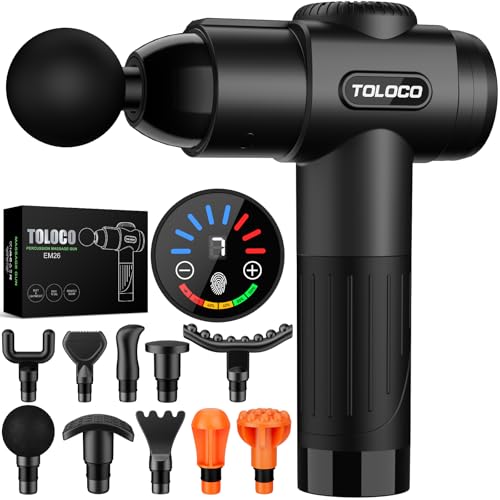
TOLOCO Massage Gun, Deep Tissue Back Massage for Athletes for Pain Relief, Percussion Massager with 10 Massages Heads & Silent Brushless Motor, Relaxation Gifts for Men Women, Black
- Deep Tissue Penetration: 12mm depth, up to 3200 rpm
- Long Battery Life: Up to 6 hours on a single charge
- 10 Replaceable Massage Heads: For full-body muscle relaxation
As an affiliate, we earn on qualifying purchases.
As an affiliate, we earn on qualifying purchases.
Conclusion
So, while massage guns can provide relief and help loosen tight muscles, they might not completely break up stubborn muscle knots. Notably, a study found that 60% of users felt significant relief after just a few sessions. Keep in mind, consistency is key, and combining massage guns with stretching or professional therapy can boost results. Ultimately, they’re a useful tool, but don’t expect them to work miracles overnight.

Massage Lacrosse Balls for Myofascial Release, Trigger Point Therapy, Muscle Knots, and Yoga Therapy. Set of 2 Firm Balls (Blue and Red)
- Immediate muscle relief: Eliminates knots and tension quickly
- Easy to use: Leverage body weight for self-massage
- Portable and versatile: Use anywhere: home, office, gym
As an affiliate, we earn on qualifying purchases.
As an affiliate, we earn on qualifying purchases.
TOLOCO Massage Gun, Deep Tissue Back Massage for Athletes for Pain Relief, Percussion Massager with 10 Massages Heads & Silent Brushless Motor, Relaxation Gifts for Men Women, Black
- Deep Tissue Penetration: 12mm depth, up to 3200 rpm
- Long Battery Life: Up to 6 hours on a single charge
- 10 Replaceable Massage Heads: For full-body muscle relaxation
As an affiliate, we earn on qualifying purchases.
As an affiliate, we earn on qualifying purchases.
College move-in / dorm season Picks
dorm essentials
As an affiliate, we earn on qualifying purchases.