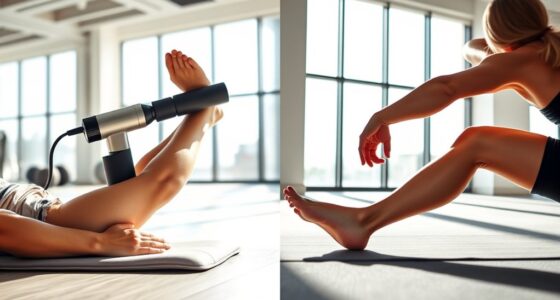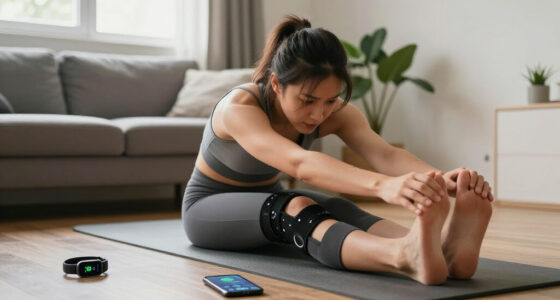

Percussive massage can be helpful for managing chronic pain by promoting muscle relaxation, increasing blood flow, and breaking up tight knots. When used correctly and with proper technique, it may provide immediate relief and support tissue recovery. However, if used improperly or in certain conditions like blood clotting issues, it could cause discomfort or harm. Keep exploring to discover how to safely incorporate this therapy into your pain management plan.

Get wellness gear delivered free — and shop member deals
- Fast, free delivery on millions of items
- Access to Prime Big Deal Days deals on October 6–7
- Prime Video, Amazon Music and more included
Key Takeaways
- Percussive massage can provide immediate relief and improve mobility for chronic pain sufferers when used correctly.
- It promotes increased blood flow and tissue relaxation, supporting healing and pain reduction.
- Proper technique and moderation are crucial to avoid potential discomfort or adverse effects.
- Consult healthcare professionals before use, especially for underlying conditions or contraindications.
- When integrated with other treatments, percussive massage can be a helpful complement, but misuse may cause harm.
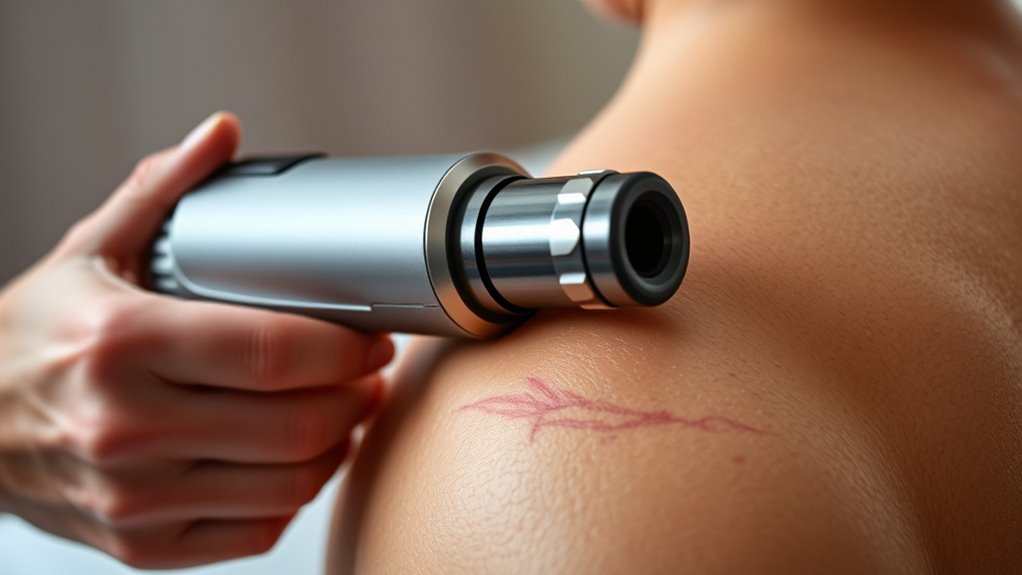
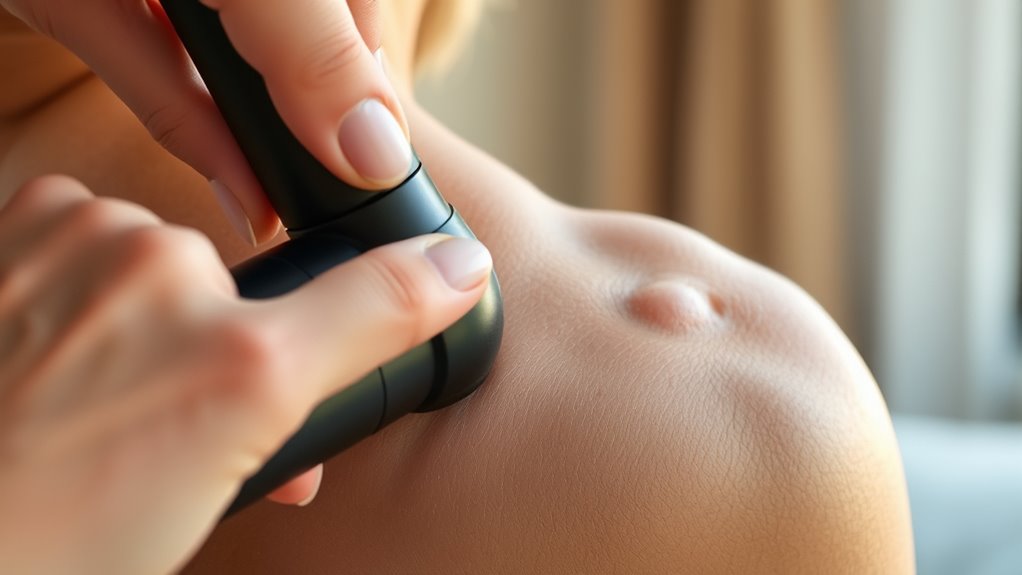
Chronic pain can considerably impact your daily life, but percussive massage offers a promising relief option. This modern technique has gained popularity because of its potential to provide targeted relief and improve overall well-being. When you consider massage benefits, it’s clear that percussive therapy can be a valuable tool for pain management. Unlike traditional massage, which relies on slow, sustained strokes, percussive massage uses rapid, repetitive tapping motions to stimulate muscles and tissues. This method helps increase blood flow, loosen tight muscles, and reduce inflammation, all of which can contribute to alleviating chronic pain. Many individuals find that incorporating percussive massage into their pain management routine can lead to noticeable improvements in their comfort levels and mobility.
One of the key advantages of percussive massage is its ability to deliver immediate relief. When you apply it to sore or tense areas, the rapid tapping can quickly loosen knots and break up scar tissue, making it easier to move without discomfort. This can be especially helpful if your chronic pain stems from muscle tightness or tension. Moreover, the increased circulation promotes healing by delivering oxygen and nutrients to damaged tissues, which can accelerate recovery. Regular sessions can also help prevent pain from worsening, giving you a proactive way to manage your condition. Since pain management is often a combination of therapies, percussive massage can complement other treatments, such as physical therapy or medications, creating a more all-encompassing approach to pain relief.
Another benefit is that percussive massage is generally accessible and easy to use, whether through professional sessions or personal devices. Many devices are designed for home use, allowing you to incorporate massage benefits into your daily routine without needing frequent visits to a therapist. This convenience makes it easier to stay consistent, which is vital in managing chronic pain effectively. However, it’s important to recognize that while percussive massage offers numerous benefits, it isn’t suitable for everyone. If you have certain health conditions, such as blood clotting disorders or skin infections, consulting a healthcare professional before trying this therapy is essential. In some cases, aggressive or improper use can cause discomfort or even worsen symptoms, so proper technique and moderation are key.
percussive massage device for chronic pain
As an affiliate, we earn on qualifying purchases.
As an affiliate, we earn on qualifying purchases.
Frequently Asked Questions
Can Percussive Massage Cure All Types of Chronic Pain?
Percussive massage can’t cure all types of chronic pain, but it can promote muscle relaxation and provide pain relief. You might find it helpful for certain conditions, especially those involving muscle tightness or knots. However, it’s not a universal cure, and some pain types require other treatments. Always consult a healthcare professional to determine if percussive massage suits your specific condition and to guarantee safe, effective therapy.
How Often Should I Use Percussive Massage Devices Safely?
You should follow the frequency guidelines provided with your percussive massage device, typically using it 2-3 times a week for 10-15 minutes each session. Always prioritize device safety by starting with lower intensities and avoiding sensitive or injured areas. If you experience discomfort or pain, reduce usage or consult a healthcare professional. Consistent, cautious use helps you gain benefits without risking harm.
Are There Any Risks for People With Specific Health Conditions?
Think of percussive massage as steering a river with hidden rocks. If you have contraindications like blood clotting issues or nerve damage, the risks increase, and you could cause harm. Risk factors such as pregnancy or certain medications also heighten danger. Always check with your healthcare provider before using these devices if you have specific health conditions, ensuring you don’t hit any unseen obstacles along your wellness journey.
Does Age Affect the Effectiveness of Percussive Massage Therapy?
Age-related differences can influence the effectiveness of percussive massage therapy, and you might notice varied results based on your age. Younger individuals often experience quicker relief and greater flexibility, while older adults may require gentler techniques due to sensitive or fragile tissues. It’s essential to tailor the therapy to your age and condition, ensuring you get the most benefit without risking injury. Always consult with a professional to optimize your treatment plan.
Can Percussive Massage Replace Professional Medical Treatment?
You shouldn’t rely solely on percussive massage as your go-to for medical treatment, even though it’s a popular alternative therapy. It’s a soothing tune for muscle relief, but it doesn’t replace professional medical advice or diagnosis. Think of it as a complementary massage technique that can enhance your overall wellness, yet still needs the guidance of healthcare providers for persistent or serious health issues.
handheld massage gun for muscle relaxation
As an affiliate, we earn on qualifying purchases.
As an affiliate, we earn on qualifying purchases.
Conclusion
Ultimately, percussive massage could be your ally or your enemy in managing chronic pain. Think of it as a double-edged sword—offering relief but also risking harm if misused. Before embracing this therapy, listen to your body and consult a professional. Remember, the path to comfort isn’t always straight; sometimes, you must navigate carefully through shadows to find the light. Choose wisely, for your well-being depends on it.
percussive therapy massager for home use
As an affiliate, we earn on qualifying purchases.
As an affiliate, we earn on qualifying purchases.
professional percussive massage machine
As an affiliate, we earn on qualifying purchases.
As an affiliate, we earn on qualifying purchases.
Fall Picks
fall essentials
As an affiliate, we earn on qualifying purchases.