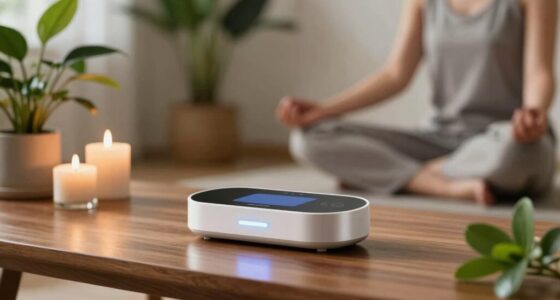
AI meditation apps with virtual coaches can personalize your calm by tailoring guidance based on your mood, responses, and goals in real-time. Through natural language processing, these coaches provide gentle prompts, adjust tone and pace, and learn from your reactions to create a unique experience that feels conversational and engaging. This adaptive approach helps keep you motivated and makes mindfulness more accessible. To discover how this technology can transform your practice, explore further.

Get wellness gear delivered free with Prime
- Fast, free delivery on millions of items
- Prime Video, Amazon Music and more included
- Member-only deals all year
Key Takeaways
- AI-powered meditation apps use natural language processing to create realistic, conversational voice guidance tailored to individual needs.
- Virtual coaches adapt in real time by monitoring emotional responses, adjusting tone, pace, and prompts for deeper relaxation.
- Apps personalize sessions based on user data like goals, experience, and mood, enhancing relevance and motivation.
- Voice guidance makes mindfulness practices more engaging and accessible, replacing static recordings with interactive interactions.
- Continuous learning allows virtual coaches to refine their guidance, fostering sustainable meditation routines tailored to each user.

Exploring the world of AI meditation apps reveals how technology is transforming mindfulness practices. Instead of relying solely on traditional guided meditations, you now have access to virtual coaches that adapt to your needs in real time. One of the key features making this possible is voice guidance. Unlike static recordings, AI-powered apps use natural language processing to deliver soothing, contextualized instructions that feel more personal and engaging. When you select a meditation, the app might guide you with gentle prompts like, “Take a deep breath and let it go,” or “Focus on the sensation of your breath,” all delivered through clear, calming voice guidance. This approach makes the experience feel less mechanical and more like having a conversation with a mindful companion. The voice guidance adapts as you progress through your session, altering tone, pace, and prompts based on your responses and preferences. If you’re feeling restless, the app might slow down and offer more grounding techniques; if you’re calm, it might encourage deeper relaxation. This dynamic interaction helps keep you engaged and ensures the practice remains tailored to your current state. Additionally, voice guidance relies on natural language processing to create a more realistic and engaging experience. User personalization is another game-changer, making these apps feel uniquely suited to you. When you first set up your profile, the app gathers information about your goals, experience level, and preferences. Over time, it learns from your interactions and adjusts its recommendations accordingly. For example, if you prefer shorter sessions during busy mornings, the app will suggest quick, effective meditations. If you enjoy longer, immersive experiences, it will recommend extended sessions to deepen your practice. The app also considers your mood and responses, subtly modifying its voice guidance style to suit your emotional state. Maybe you respond better to a more upbeat tone when you’re feeling down, or a more serene voice when you’re seeking deep calm. This level of user personalization makes the meditation experience more relevant and effective, increasing your motivation to stick with it. It’s like having a personal meditation trainer who understands your needs and adapts to them seamlessly. Together, voice guidance and user personalization elevate AI meditation apps beyond generic recordings, creating an experience that feels intuitive and truly tailored. You’re not just following a script; you’re engaging with a virtual coach that listens, learns, and responds to your unique journey to mindfulness. As technology advances, these apps continue to become smarter, offering more nuanced guidance that adapts to your evolving needs. This personalized, voice-driven approach helps you develop a sustainable meditation practice that fits into your life, making mindfulness more accessible, engaging, and effective.
Products Worth Considering

Therabody Theragun Relief Massage Gun, 3-Speed, Black
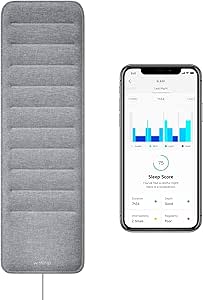
Withings Sleep Under-Mattress Sleep Tracking Pad

Garmin Forerunner 55 GPS Running Smartwatch, Black
As an affiliate, we earn on qualifying purchases.
Frequently Asked Questions
How Do AI Meditation Apps Ensure User Privacy?
AI meditation apps protect your privacy by using data encryption, keeping your personal information secure during transmission and storage. They also process anonymized data, which means your details are stripped of identifiable information, preventing your identity from being linked to your activity. By combining these measures, the apps guarantee your privacy remains intact while providing personalized meditation experiences, so you can relax without worrying about your data’s safety.
Can AI Apps Replace Human Meditation Instructors Effectively?
They say, “You can’t replace the human touch,” and that’s true for now. AI apps can guide you through meditation and personalize routines, but they lack the emotional connection and nuanced human interaction that deepens your practice. While virtual coaches can support your calm, they can’t fully replace the empathy, understanding, and genuine connection a human instructor brings, making them a complementary tool rather than a complete substitute.
Are AI Meditation Apps Suitable for All Age Groups?
AI meditation apps can be suitable for all age groups if they include age-appropriate content and accessibility features. You’ll find tailored exercises for children, adults, and seniors, making it easier to stay calm regardless of your age. Plus, accessibility options like voice control and larger text help everyone access relaxation techniques comfortably. These features guarantee the app fits your needs, promoting mindfulness across generations.
How Customizable Are the Meditation Sessions in AI Apps?
You’ll find that AI meditation apps offer impressive customization through personalization features, allowing you to tailor sessions to your needs. They provide session flexibility by adjusting duration, focus areas, and techniques, so you can create a calming experience that fits your schedule and preferences. This level of customization helps you stay engaged and makes your meditation practice more effective, ensuring you get the most out of each session.
Do AI Meditation Apps Adapt to Long-Term User Progress?
While AI meditation apps may seem static, they actually adapt to your long-term user progress. As you continue, these apps analyze your sessions and provide personalized feedback, helping you deepen your practice. This ongoing adjustment creates a dynamic experience, contrasting the initial generic sessions. You’ll find that over time, the app becomes more attuned to your evolving needs, guiding you toward sustained calm and improved mental clarity.
Conclusion
While AI meditation apps seem promising, they can’t fully replace human connection and intuition. Think of them as tools that guide you, but true calm comes from within and genuine interactions. The theory that technology can personalize and deepen your meditation experience holds some truth, yet it reminds us that authentic mindfulness often requires human empathy. Use these apps as supplements, not substitutes, and trust your own inner wisdom to find lasting peace.