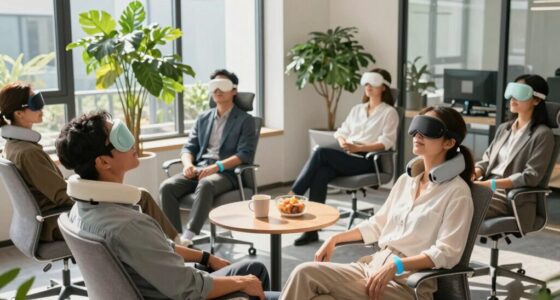
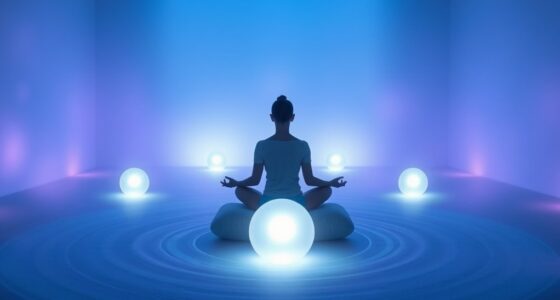
Yes, binaural beats and sound technology can help put you into a trance-like state by guiding your brainwaves toward frequencies associated with relaxation, focus, or deep meditation. When you listen with headphones, these sounds entrain your brain to synchronize with specific beats, making it easier to reach mental states that often take longer to achieve through traditional meditation. If you keep exploring, you’ll discover how this innovative approach can deepen your practice and transform your mental experience.
Key Takeaways
- Binaural beats synchronize brainwaves with specific frequencies, facilitating trance-like and meditative states.
- Sound technology accelerates relaxation and focus, making it easier to enter deep mental states during meditation.
- Listening with headphones enhances the effectiveness of binaural beats, promoting deeper trance experiences.
- Binaural beats leverage brain plasticity to access altered states of consciousness more efficiently.
- Sound therapy can complement meditation, helping users achieve a trance state more quickly and consistently.
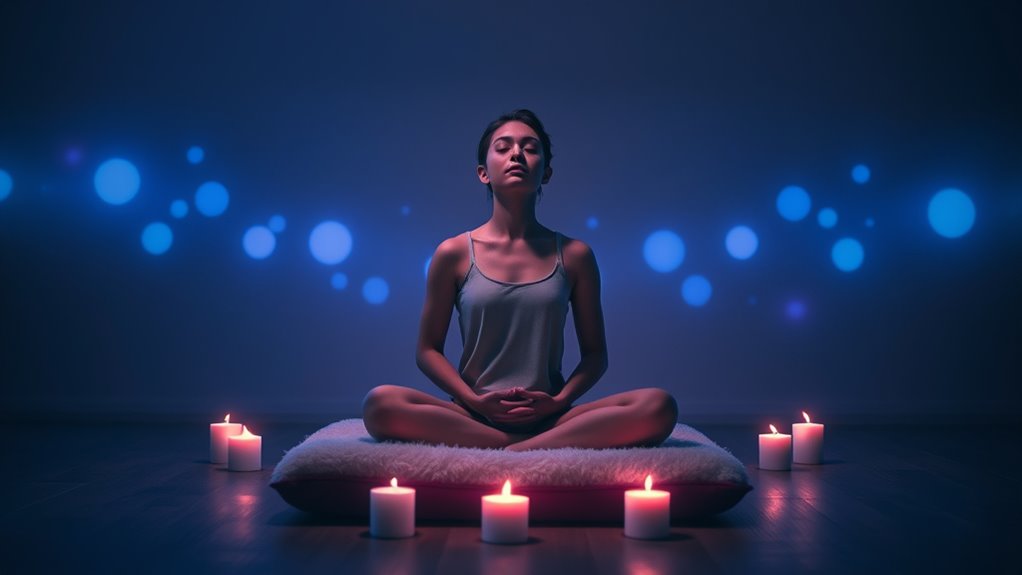
Have you ever wondered how certain sounds can influence your mental state? That curiosity brings us to the fascinating world of brainwave entrainment and sound therapy. These techniques harness specific sound frequencies to guide your brain into different states of consciousness, making meditation more accessible and effective. Brainwave entrainment involves using rhythmic sounds or beats to synchronize your brainwaves with a desired frequency. When you listen to binaural beats, your brain perceives a third tone created by the slight difference in frequencies played in each ear. Over time, this can lead your brain to follow the beat, shifting your mental state toward relaxation, focus, or even deep trance. It’s a form of sound therapy that taps into your natural brain plasticity, encouraging mental states that can be hard to access through traditional meditation alone.
Sounds can guide your brain into relaxation, focus, and trance through rhythmic beats and brainwave synchronization.
The idea is simple but powerful. When you play binaural beats at specific frequencies—say, in the alpha range (8-13 Hz)—your brain gradually aligns with that rhythm, producing a calming, meditative effect. This synchronization process, known as brainwave entrainment, can reduce stress, improve concentration, and deepen your meditative experience. It’s like giving your mind a gentle nudge into a different state without requiring hours of practice or effort. You simply listen to the right sounds, and your brain responds instinctively. This makes sound therapy highly effective for beginners or anyone struggling to quiet their thoughts naturally.
Using sound therapy with binaural beats can also enhance your overall meditation practice. Instead of trying to force your mind into stillness, you allow the sound to guide you there. Many people find that listening to these beats helps them achieve a trance-like state more quickly and consistently. It’s not about replacing meditation but complementing it. The rhythmic qualities of binaural beats help bypass some mental barriers, making it easier to slip into a relaxed, focused, or even hypnotic state. As your brain becomes accustomed to these frequencies, you may notice improved mood, better sleep, and a greater sense of well-being. This approach effectively combines ancient meditation techniques with modern sound technology, making the path to mental clarity more accessible and enjoyable.
Additionally, understanding brain plasticity can help you grasp how sound therapy influences your brain’s ability to adapt and rewire itself over time. In essence, brainwave entrainment and sound therapy open new doors to your inner world. By understanding and harnessing the power of sound, you can deepen your meditation, reduce stress, and explore altered states of consciousness with greater ease. All it takes is a pair of headphones and the right frequency to start experiencing these profound effects.

Binaural Beats for Relaxation – Increase Brain Power, Improve Focus and Reduce Anxiety with Binaural Beats and Delta Frequencies: Binaural Beats for Relaxation, Book 1
As an affiliate, we earn on qualifying purchases.
As an affiliate, we earn on qualifying purchases.
Frequently Asked Questions
How Quickly Can Binaural Beats Induce a Meditative State?
You can often experience brainwave synchronization and reach a meditative state within minutes of listening to binaural beats. The auditory stimulation guides your brainwaves toward alpha or theta frequencies, which promote relaxation and focus. Everyone’s response varies, but with consistent use, many find that these sounds quickly help them enter a calm, meditative state—sometimes in just a few minutes.
Are Binaural Beats Safe for Long-Term Use?
Sure, binaural beats are generally safe for long-term use, but don’t get complacent. You should stay aware of health concerns and keep an eye on safety research, just in case those relaxing sounds start causing unexpected headaches or dizziness. It’s smart to use them in moderation, listen at comfortable volumes, and consult a healthcare professional if you notice any adverse effects. After all, safety first—even in the world of sound therapy!
Can Binaural Beats Replace Traditional Meditation Practices?
Binaural beats can enhance your meditation but shouldn’t replace traditional practices like visualization techniques or guided meditation. They serve as a helpful tool to deepen your focus and relaxation, yet active engagement through visualization or guided sessions offers ongoing benefits. You might find combining binaural beats with these methods amplifies your experience, but relying solely on sound tech may limit the personal growth and mindfulness developed through traditional meditation.
Do Individual Differences Affect the Effectiveness of Binaural Beats?
About 40% of people find binaural beats less effective, showing individual differences matter. Your personality traits and neurological diversity influence how well sound tech works for you. If you’re open-minded or have a flexible brain, you’re more likely to experience benefits. But if you’re more resistant to change or have unique neural pathways, binaural beats might not have the same impact. So, try it and see how it suits you!
What Are the Best Headphones for Listening to Binaural Beats?
You should choose headphones that offer excellent audio clarity and comfort for binaural beats. Look for models with good stereo separation and balanced sound, ensuring you hear the subtle differences in frequencies. Comfort is key during extended listening sessions, so select lightweight, cushioned headphones that fit well without causing fatigue. Over-ear or high-quality in-ear headphones often deliver the best experience, helping you fully immerse yourself in the binaural beats.

Deep Alpha: Brainwave Entrainment Music for Meditation and Healing
Description Deep Alpha: Brainwave Entrainment Music for Meditation, Relaxation and Healing is the 2012 Grammy nominee, Billboard-charting breakthrough…
As an affiliate, we earn on qualifying purchases.
As an affiliate, we earn on qualifying purchases.
Conclusion
Imagine binaural beats as a gentle sailing wind, guiding you smoothly into meditation’s calm harbor. Just like a trusted compass, sound tech can help you navigate your inner landscape, making trance states more accessible. Studies show that many find these sounds enhance relaxation and focus. So, next time you’re seeking tranquility, give binaural beats a try—you might just discover a secret passageway to your peaceful mind, waiting to be opened with a simple sound.
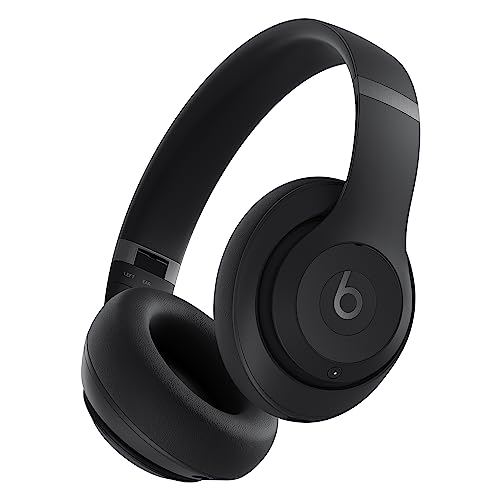
Beats Studio Pro Premium Wireless Over-Ear Headphones- Up to 40-Hour Battery Life, Active Noise Cancelling, Great for Travel & Commuting, USB-C Lossless Audio, Apple & Android Compatible -Black
INCREDIBLE SOUND: Custom acoustic platform delivers rich, balanced audio for music, calls and everyday listening.
As an affiliate, we earn on qualifying purchases.
As an affiliate, we earn on qualifying purchases.
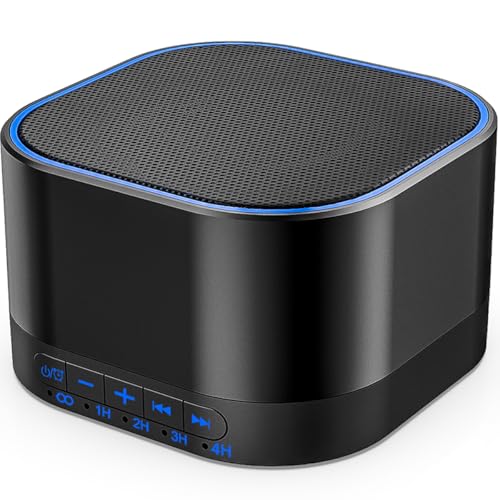
Magicteam Sound White Noise Machine with 20 Non Looping Natural Soothing Sounds and Memory Function 32 Levels of Volume Powered by AC or USB and Sleep Sound Timer Therapy for Baby Kids Adults
❤20 Non-Looping Sleep Sounds: White noise ,Brown noise, pink noise, blue noise, fan,brook, rain, ocean,bird and Bonfire,suitable for…
As an affiliate, we earn on qualifying purchases.
As an affiliate, we earn on qualifying purchases.