
Migraine wearables focus specifically on the unique symptoms and triggers of migraines, giving you targeted relief unlike general pain devices. They track your symptoms in real-time and provide feedback on patterns, helping you manage your pain more effectively. Designed for comfort, these wearables fit seamlessly into your daily routine. This personalized approach enhances treatment outcomes, ensuring you get the relief you need. Want to discover what more these devices can offer?

Get wellness gear delivered free with Prime
- Fast, free delivery on millions of items
- Prime Video, Amazon Music and more included
- Member-only deals all year
Key Takeaways
- Migraine wearables are specifically designed to target unique symptoms and triggers, unlike general pain devices that address broader pain issues.
- Advanced technology in migraine wearables tracks symptoms in real-time, providing tailored feedback and insights for effective treatment.
- Companion apps for migraine wearables enable users to log symptoms and triggers, enhancing understanding and proactive management of migraines.
- Designed for comfort, migraine wearables are lightweight and unobtrusive, allowing seamless daily integration without exacerbating symptoms.
- Specialized migraine devices offer targeted relief through neurostimulation, improving effectiveness compared to general pain devices with a one-size-fits-all approach.
When you’re battling a migraine, the last thing you want is confusion about treatment options. You might’ve heard about various devices that promise relief, but understanding what sets migraine wearables apart from general pain devices can be critical in your pain management journey. It’s essential to know how these technologies work so you can make informed choices.
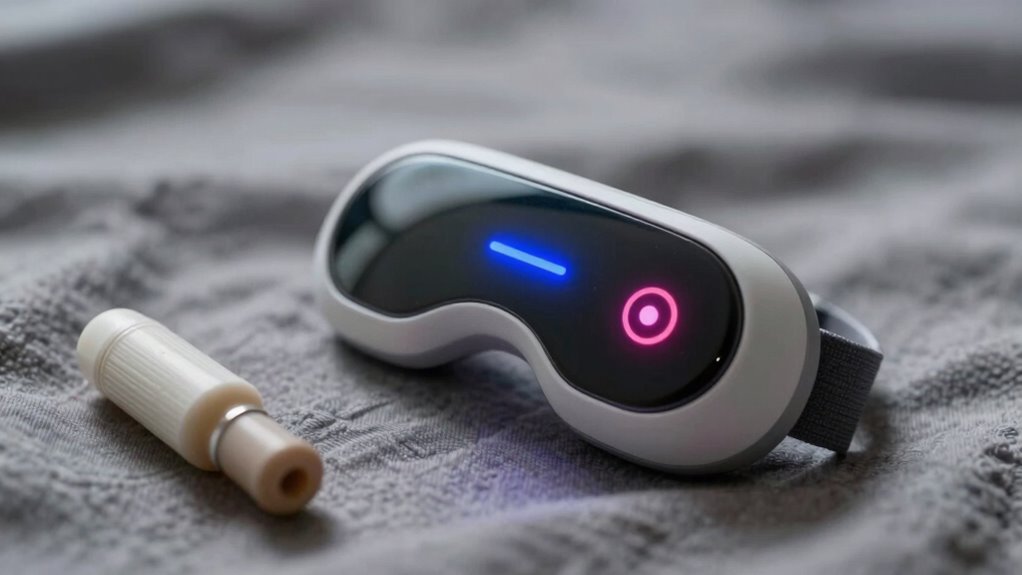
Migraine wearables are specifically designed to target the unique symptoms and triggers associated with migraines. Unlike general pain devices, which may address broader issues like muscle tension or general headaches, migraine wearables focus on the specific needs of migraine sufferers. They often use advanced wearable technology that can track your symptoms, providing real-time feedback about your condition. This tailored approach allows you to monitor your migraine patterns and adjust your lifestyle or treatment accordingly.
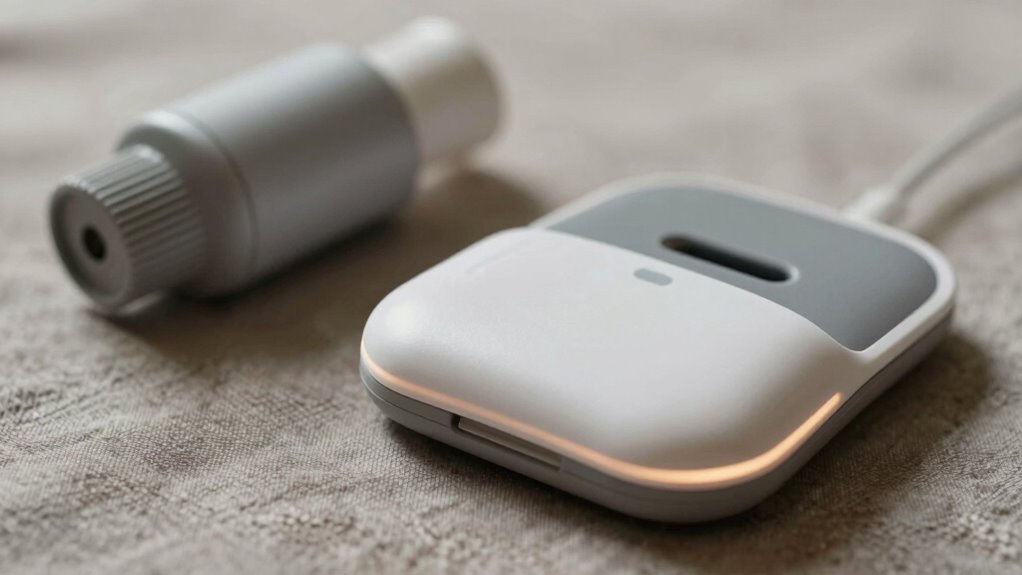
One key feature of migraine wearables is their ability to provide targeted relief. Many of these devices utilize neurostimulation, which can help ease pain by delivering gentle electrical impulses to the nerves. This method can interrupt the pain signals sent to your brain, offering a more effective solution tailored to migraines specifically. General pain devices might not have this capability, as they often employ a one-size-fits-all approach to pain management.
Moreover, wearable technology for migraines often comes with companion apps that help you log symptoms, triggers, and medications. These apps can be invaluable for identifying patterns that lead to migraines, allowing you to take proactive steps in your treatment. In contrast, general pain devices may lack this feature, limiting your ability to track and understand your pain over time.
Another aspect to reflect on is comfort and usability. Since migraines can make even the slightest discomfort unbearable, migraine wearables are designed to be lightweight and unobtrusive. They fit seamlessly into your daily routine, allowing you to go about your day without added hassle. General pain devices, on the other hand, might not prioritize this level of comfort, which can be a deal-breaker when you’re already dealing with debilitating pain. Incorporating specialized technology can greatly enhance the effectiveness and user experience of migraine-specific devices.
Products Worth Considering
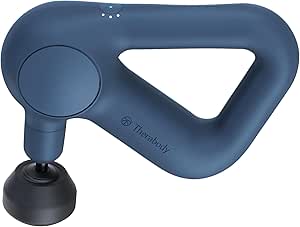
Therabody Theragun Relief Massage Gun, 3-Speed, Navy

Withings Sleep Under-Mattress Sleep Tracking Pad

Fitbit Sense 2 Smartwatch – Shadow Grey/Graphite
As an affiliate, we earn on qualifying purchases.
Frequently Asked Questions
How Do Migraine Wearables Track Headache Triggers?
Migraine wearables track headache triggers through advanced trigger detection and data analysis. They monitor various factors like your physical activity, sleep patterns, and environmental conditions. When you wear the device, it collects real-time data, identifying potential triggers that correlate with your migraines. By analyzing this data, you can pinpoint specific patterns or habits that lead to headaches, helping you make informed lifestyle changes to reduce their frequency and severity.
Are Migraine Wearables Safe for Long-Term Use?
Yes, migraine wearables are generally safe for long-term use. Have you considered how user experiences often highlight minimal side effects? Many users report positive outcomes over extended periods, and studies indicate that the long-term effects don’t pose significant risks. However, individual experiences can vary, so it’s wise to consult your healthcare provider to guarantee it fits your specific needs. This way, you can enjoy the benefits without unnecessary concerns.
Can Migraine Wearables Be Used During Pregnancy?
Yes, you can use migraine wearables during pregnancy, but you should consider safety concerns. It’s important to consult your healthcare provider before trying any device. They can help you evaluate the specific wearable’s safety and effectiveness for your situation. Remember, each pregnancy is unique, so your doctor’s guidance is vital in addressing any pregnancy considerations related to the wearable’s technology and its potential effects on you and your baby.
What Is the Average Battery Life of Migraine Wearables?
The average battery life of migraine wearables typically ranges from 6 to 24 hours, depending on the device’s battery capacity and usage. If you’re using it continuously, you might notice a shorter device longevity. To maximize battery life, consider adjusting settings or usage frequency. Always check the manufacturer’s guidelines for specifics, as different models may offer varying performance and efficiency. Keeping your device charged can help you manage your migraines more effectively.
Do Migraine Wearables Require a Prescription to Use?
Migraine wearables often require a prescription, particularly those designed for serious symptoms. This prescription requirement guarantees that you’re using the device safely and effectively, tailored to your unique user experiences. While some over-the-counter options exist, many advanced devices need that doctor’s approval. Always consult your healthcare provider to find the best fit for managing your migraines, assuring you’re equipped with the right tools for relief and recovery.
Conclusion
In the battle against migraines, wearables are like superheroes, swooping in to target specific triggers and provide relief tailored just for you. Unlike general pain devices, they’re designed with migraineurs in mind, offering a personalized approach that can transform your experience. When you’ve got one of these gadgets on your side, you’re not just managing pain—you’re reclaiming your life. So, why settle for ordinary when you can embrace extraordinary relief?