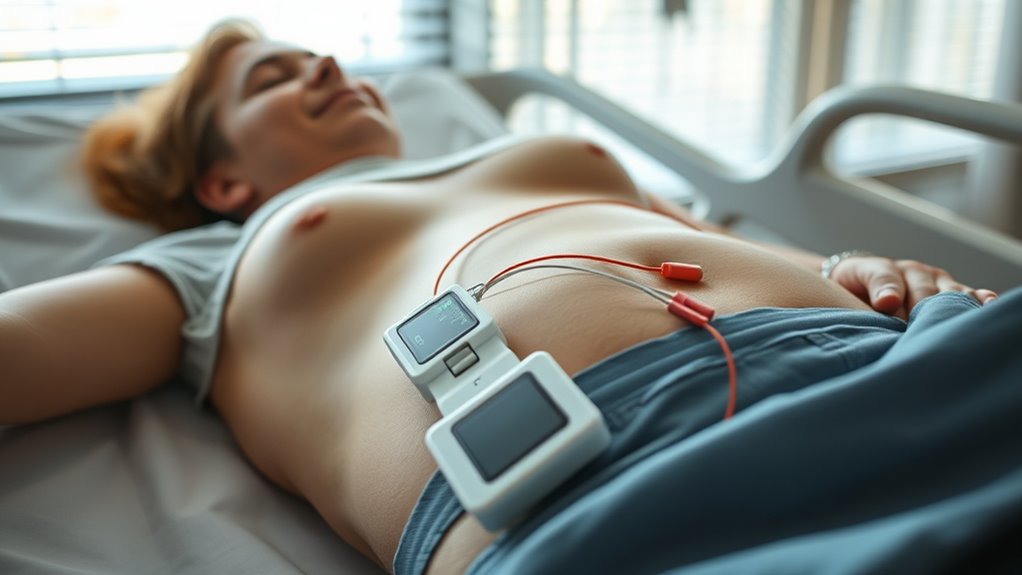

Using TENS after surgery can be an effective way to reduce pain and support your recovery. It works by sending low-voltage electrical currents through your skin, blocking pain signals before they reach your brain. This can make moving around easier and help you participate more fully in physical therapy. When used correctly and under medical guidance, TENS can help you recover faster with less reliance on medications. To discover how to optimize your pain management, keep exploring this helpful option.
Key Takeaways
- TENS delivers electrical currents that block pain signals, providing effective pain relief after surgery.
- It supports faster recovery by reducing discomfort, enabling easier movement and participation in physical therapy.
- TENS can decrease reliance on medications, lowering risks of side effects and dependency.
- Proper electrode placement and device settings are essential to maximize benefits and ensure safety.
- When integrated with rehabilitation, TENS enhances overall recovery, promoting quicker return to daily activities.
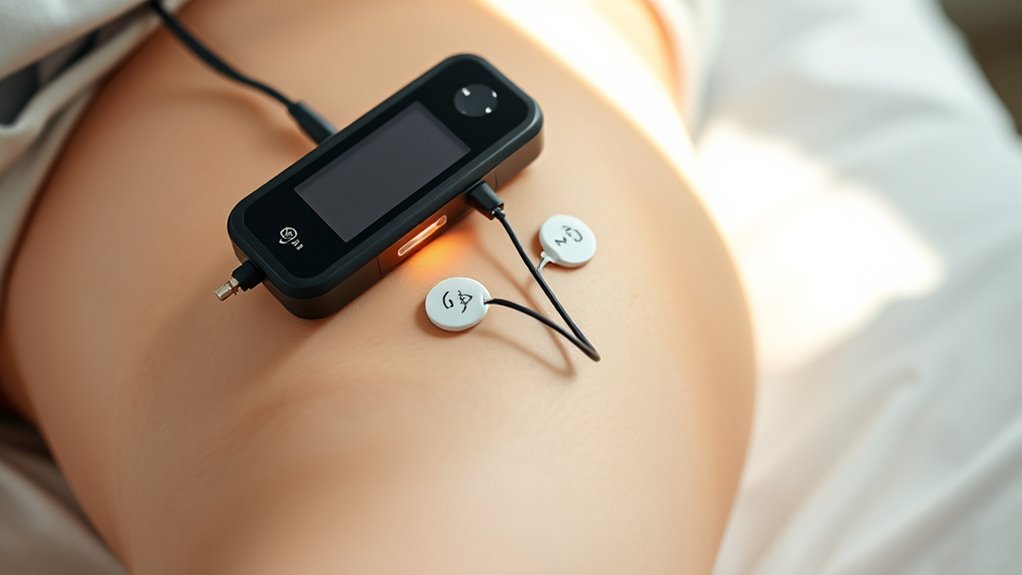
After surgery, managing pain effectively is essential for your recovery, and Transcutaneous Electrical Nerve Stimulation (TENS) offers a non-invasive solution. TENS can be integrated into your overall pain management plan to complement physical therapy and reduce reliance on medications. When used correctly, it can help you regain mobility faster and lessen discomfort, making each step of your recovery more manageable.
TENS works by sending low-voltage electrical currents through electrodes placed on your skin, stimulating nerves and blocking pain signals before they reach your brain. This method can be particularly helpful in the early stages after surgery when pain can be intense and limiting your movement. By reducing pain levels, TENS allows you to participate more actively in physical therapy exercises, which are indispensable for restoring strength and function. When your pain is well-managed, you’re more likely to stick with your rehab routine, leading to better long-term outcomes.
Many healthcare providers recommend TENS as part of a thorough pain management strategy that minimizes medication use. While medications such as opioids or NSAIDs are often prescribed after surgery, they come with potential side effects and risks of dependency. TENS provides an alternative or adjunct, helping you control pain without these risks. It’s non-invasive, easy to use, and can be applied at home under your provider’s guidance, giving you more control over your recovery process. Proper use of TENS can also help prevent the development of chronic pain postoperative pain management, ensuring a smoother recovery trajectory.
Using TENS effectively requires proper placement of electrodes and correct device settings, which your healthcare team can assist with. They’ll tailor the treatment to your specific needs, considering factors like the type of surgery and your pain level. It’s important to follow their instructions closely to maximize benefits and avoid skin irritation or discomfort. Regular use can lead to sustained pain relief, allowing you to gradually reduce medication dosages and focus on physical therapy to rebuild strength and flexibility.
Incorporating TENS into your postoperative care plan not only targets pain directly but also supports your overall recovery strategy. It empowers you to take an active role in managing your pain and mobility, often leading to a faster return to daily activities. As with any treatment, stay in touch with your healthcare team, report any issues, and adjust your TENS use as directed. When combined with physical therapy and thoughtful medication management, TENS can be a valuable tool to help you recover more comfortably and effectively after surgery.

TENS 7000 Digital TENS Unit with Accessories – Muscle Stimulator Machine for Back Pain Relief, Sciatica, Neck, Nerve, Shoulder, Hip, Elbow, Muscle Pain Relief
- Pain Relief Type: Muscle stimulator and massager
- Popular Usage: Back, neck, shoulder, elbow pain
- Sales Milestone: Over 3 million units sold
As an affiliate, we earn on qualifying purchases.
As an affiliate, we earn on qualifying purchases.
Frequently Asked Questions
How Soon After Surgery Can I Start Using TENS?
You can usually start using TENS therapy within a few days after surgery, but timing considerations depend on your specific procedure and postoperative guidelines. Always consult your surgeon or healthcare provider before beginning TENS to guarantee it’s safe and appropriate for your recovery stage. They can advise you on the right timing and proper usage, helping you manage pain effectively and support your healing process.
Are There Any Side Effects From Post-Surgery TENS Use?
You might experience mild side effects from post-surgery TENS, such as skin irritation where electrodes sit or slight discomfort from muscle stimulation. These effects are usually temporary and manageable. To minimize issues, guarantee proper electrode placement and keep the skin clean. If irritation persists or worsens, you should consult your healthcare provider. Overall, TENS is generally safe, but staying attentive helps ensure a smooth, pain-free recovery.
Can TENS Replace Pain Medication After Surgery?
TENS can be an effective alternative pain management method after surgery, but it shouldn’t completely substitute pain medication without your doctor’s guidance. While a TENS device is generally safe when used properly, it’s essential to follow instructions to avoid skin irritation or misuse. Combining TENS with other pain relief options can enhance comfort and recovery, but always consult your healthcare provider to ensure safe, personalized care.
Is TENS Therapy Suitable for All Types of Surgeries?
While TENS therapy offers an alternative approach to pain relief, it’s not suitable for all surgeries. You need to take into account surgical compatibility, as some procedures or implants may interfere with TENS devices. Always consult your healthcare provider to determine if this therapy complements your specific surgery and recovery plan. Though effective for many, TENS isn’t a universal solution; individual assessment guarantees safe, ideal pain management.
How Often Should I Use TENS During Recovery?
You should use TENS according to your healthcare provider’s frequency guidelines, typically 15 to 30 minutes every few hours. Always follow safety considerations and avoid overuse, which can cause skin irritation or diminished effectiveness. Pay attention to your body’s responses, and if you experience discomfort, adjust the frequency or consult your doctor. Consistent use as directed helps maximize pain relief and supports your recovery process safely.

TENS 7000 Pro Rechargeable Tens Unit Muscle Stimulator, 4 Channels, Back Pain Relief, 8 Electrodes/Unit Pads, EMS and TENS Machine, Muscle Recovery & Growth, Stim Machine, Electrotherapy
- Effective Pain Relief: Targets back, neck, sciatica, nerve pain
- Rechargeable Battery: Long-lasting, eliminates battery replacements
- Precise Electrical Stimulation: Targets specific areas with easy application
As an affiliate, we earn on qualifying purchases.
As an affiliate, we earn on qualifying purchases.
Conclusion
So, if you’re wondering whether TENS can truly supercharge your recovery and banish pain faster than you ever imagined, the answer might just blow your mind! It’s like having a tiny, powerful helper working tirelessly to soothe, heal, and accelerate your healing process. Don’t underestimate this little device’s potential—embrace it, and watch your pain melt away at lightning speed. With TENS, your journey to feeling fantastic again could become your fastest, most effortless comeback ever!
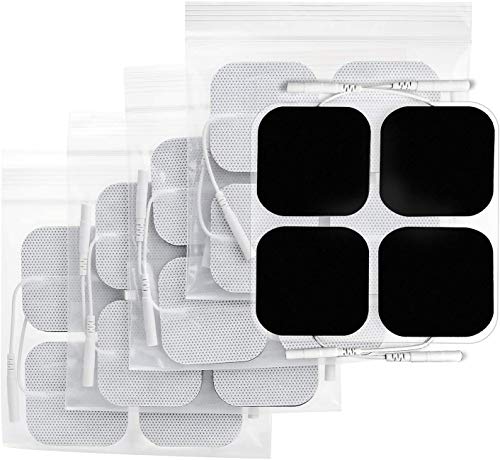
AUVON TENS Unit Pads Electrode Patches 20 Pcs, Upgraded Self-Stick, 2"x2"
- Large 20-Piece Set: Flexible, soft electrode pads with durable backing
- High-Quality Adhesive: Reusable, latex-free electrode gel for up to 45 uses
- Universal Compatibility: Fits standard 2mm TENS unit connectors
As an affiliate, we earn on qualifying purchases.
As an affiliate, we earn on qualifying purchases.

AUVON Dual Channel TENS Unit Muscle Stimulator Machine with 20 Modes, 2" and 2"x4" TENS Unit Electrode Pads
- Pain Relief Machine: Rechargeable muscle stimulator for pain management
- Multiple Modes: 20 preset modes including hammering and kneading
- Independent Channel Control: Separate modes and intensities for channels A and B
As an affiliate, we earn on qualifying purchases.
As an affiliate, we earn on qualifying purchases.