To help manage sciatic nerve pain with TENS, you should carefully place the electrodes around the painful area or along the nerve pathways, such as your lower back, buttock, or thigh. Find positions that produce a tingling or buzzing sensation without discomfort and adjust as needed for better relief. Proper placement and settings can markedly enhance effectiveness. Keep exploring your options to optimize your pain relief and better understand how to use TENS effectively.
Key Takeaways
- Proper electrode placement around the lower back, buttock, or thigh enhances TENS effectiveness for sciatic nerve pain.
- Position electrodes along nerve pathways or near painful areas to optimize nerve signal interference.
- Adjust electrode location slightly during use to find the most tingling sensation without discomfort.
- Consistent use during flare-ups or before activities can improve pain management outcomes.
- Consulting healthcare professionals helps tailor electrode placement and settings for individual nerve pain relief.

If you’re dealing with sciatica pain, Transcutaneous Electrical Nerve Stimulation (TENS) can provide relief by disrupting pain signals before they reach your brain. This non-invasive technique uses small electrodes placed on your skin to send electrical impulses that interfere with nerve activity, offering a drug-free pain relief method. To maximize TENS effectiveness, proper electrode placement is essential. You want to position the electrodes around the painful area, typically along the nerve pathway or over the lower back and buttock region where sciatic nerve irritation occurs. Placing electrodes too close together or too far apart can diminish their effectiveness, so experiment with different positions until you find what provides the best relief. Generally, placing them on either side of the pain site or along the nerve pathway helps stimulate the affected nerves properly.
Proper electrode placement around the painful area maximizes TENS relief for sciatica.
As you apply TENS, focus on the sensation—ideally, you should feel a tingling or buzzing feeling without discomfort. Adjusting the electrode placement slightly can help optimize this sensation, which is key to activating your body’s natural pain relief mechanisms. Remember, TENS isn’t a one-size-fits-all solution; different people respond to different electrode placements. Some find relief by placing electrodes near the lower back, while others benefit from positioning them on the thigh or calf, depending on where the pain radiates. You might need to experiment with electrode positioning and intensity settings to discover what works best for your specific pain pattern.
In addition to proper electrode placement, understanding pain relief techniques can help you get the most out of TENS therapy. For instance, using TENS during flare-ups or before activities that trigger pain can reduce discomfort. Combining TENS with other pain relief techniques, such as gentle stretching or ergonomic adjustments, enhances overall management. Keep in mind that consistent use is essential; using TENS regularly as directed by your healthcare provider can lead to better, sustained relief over time. Also, make sure your skin is clean and dry before placing electrodes, and avoid placing them over broken or irritated skin to prevent irritation. Furthermore, being aware of nerve pathways can assist in more strategic electrode placement for targeted relief.
Ultimately, TENS works by modulating nerve activity, and its success hinges on correct electrode placement and your adherence to proper pain relief techniques. By carefully positioning the electrodes and integrating TENS into your broader pain management plan, you can better control sciatica discomfort and improve your daily comfort. Remember, if you’re unsure about electrode placement or experience adverse effects, consult with a healthcare professional to tailor the treatment to your needs.

TENS 7000 Digital TENS Unit with Accessories – Muscle Stimulator Machine for Back Pain Relief, Sciatica, Neck, Nerve, Shoulder, Hip, Elbow, Muscle Pain Relief
Need Prescription Strength Pain Relief? A TENS unit muscle stimulator and TENS machine that provides pain relief, acts…
As an affiliate, we earn on qualifying purchases.
As an affiliate, we earn on qualifying purchases.
Frequently Asked Questions
Can TENS Therapy Be Used Alongside Other Sciatica Treatments?
Yes, you can combine TENS therapy with other sciatica treatments. Combining therapies often enhances pain relief and speeds up recovery. TENS acts as a complementary treatment, working alongside medications, physical therapy, or stretching exercises. Make sure to consult your healthcare provider before integrating new treatments, as they can help tailor a plan that maximizes benefits and guarantees safety while using TENS alongside other therapies for your sciatica.
How Long Does It Typically Take to See Results From TENS?
You might start noticing symptom relief from TENS within a few days, but it often takes consistent use over several weeks. Expect timing expectations to vary based on your condition and response. Stay patient and persistent, as regular sessions can build up effectiveness over time. Keep track of your progress, and consult your healthcare provider if you don’t see improvements after a few weeks.
Are There Any Risks or Side Effects Associated With TENS?
Risks and side effects of TENS are generally minimal if used correctly, but safety considerations are important. You might experience skin irritation or a tingling sensation. Rarely, some people feel discomfort or muscle twitching. To guarantee safety, follow the device’s instructions carefully and avoid placing electrodes over broken skin or sensitive areas. If you notice persistent pain or adverse effects, consult your healthcare provider promptly.
Is TENS Suitable for Chronic or Acute Sciatica?
Thinking about whether TENS treats your sciatica? You can use it for both chronic management and acute flare-ups. TENS offers temporary relief, targeting nerve pain when you need it most. While it’s suitable for ongoing pain or sudden spikes, consult your healthcare provider to guarantee proper placement and to determine if TENS fits your specific condition. It’s a versatile tool, helping you manage nerve pain day and night.
How Often Should TENS Sessions Be Performed for Optimal Relief?
You should perform TENS sessions 1 to 2 times daily, depending on your pain level and response. For ideal relief, aim for consistent treatment over several weeks, adjusting session frequency based on your progress. Keep your treatment duration around 20 to 30 minutes per session, and consult your healthcare provider to tailor the schedule to your specific needs, ensuring effective pain management and better nerve comfort.
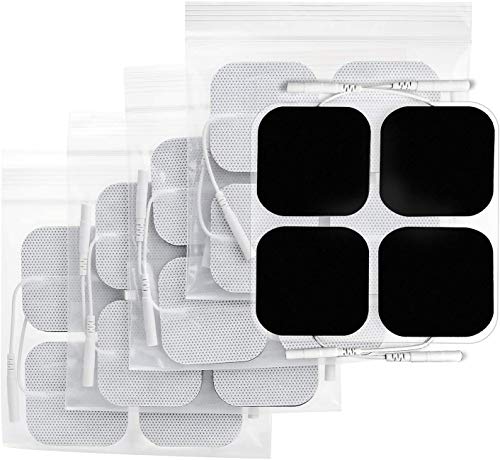
AUVON TENS Unit Pads Electrode Patches with Upgraded Self-Stick Performance and Non-Irritating Design for Electrotherapy
Huge 20-Piece Set. We're always looking for new ways to bring our customers incredible value! When you shop…
As an affiliate, we earn on qualifying purchases.
As an affiliate, we earn on qualifying purchases.
Conclusion
TENS treatments target tight, troublesome nerves, offering relief and restoring your routine. By balancing placement and persistence, you can break free from bothersome bouts of back pain. With consistent care and careful calibration, TENS can become a trustworthy tool in your pain prevention plan. Embrace the ease, empower your recovery, and enjoy the journey to a pain-free, peaceful posture. Take charge and let TENS transform your tension into tranquility today.

AccuRelief Universal TENS Unit Supply Kit – TENS Unit Pads and Lead Wires – for AccuRelief Single and Dual Channel TENS Devices and TENS Units with Snap Electrodes, 2 Count (Pack of 8) Electrodes.
✔ CONTAINS (1) AccuRelief universal supply kit. Includes: (4) sets of (2) 2"x2" TENS pads, (2) lead wires,…
As an affiliate, we earn on qualifying purchases.
As an affiliate, we earn on qualifying purchases.

AVCOO 3-in-1 TENS Unit Muscle Stimulator with 30 Modes, 40 Intensities TENS Machine for Gradual Back Pain Relief Therapy, Rechargeable EMS Unit Massager with 12 TENS Electrode Pads, a Storage Bag
Multi-functional 3-in-1 TENS EMS Unit: AVCOO 3-in-1 muscle stimulator for pain relief combines TENS, EMS, and RELAX 3…
As an affiliate, we earn on qualifying purchases.
As an affiliate, we earn on qualifying purchases.