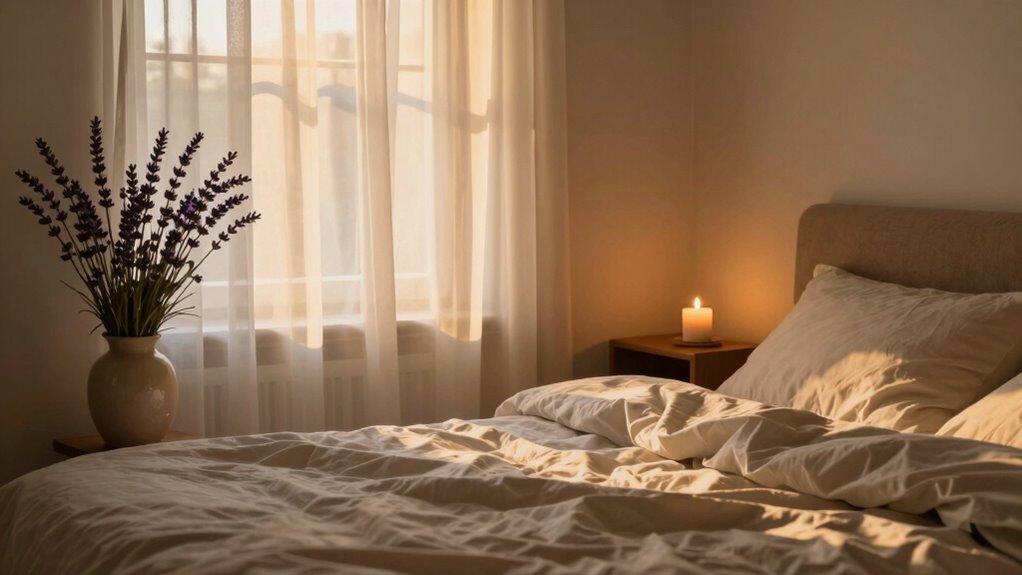

To improve your sleep, embrace morning light and evening calm. Morning sunlight boosts your alertness and mood, helping you feel energized throughout the day. In contrast, reducing light exposure and creating a serene atmosphere in the evening signals your body to wind down. This balance between bright mornings and tranquil evenings enhances overall sleep quality. By setting up your environment and routine, you can optimize your rest. There’s more to discover about maximizing your sleep potential.

Get wellness gear delivered free with Prime
- Fast, free delivery on millions of items
- Prime Video, Amazon Music and more included
- Member-only deals all year
Key Takeaways
- Morning light exposure helps regulate circadian rhythms, signaling the body to wake up and promoting alertness throughout the day.
- Evening calm practices, such as dimming lights and reducing screen time, prepare the body for restful sleep by promoting relaxation.
- Consistent exposure to morning light enhances melatonin production in the evening, improving sleep onset and quality.
- Establishing a calming bedtime routine reinforces the body’s natural sleep signals, ensuring a smoother transition to sleep.
- A well-optimized sleep environment supports the effects of morning light and evening calm, creating ideal conditions for restorative sleep.
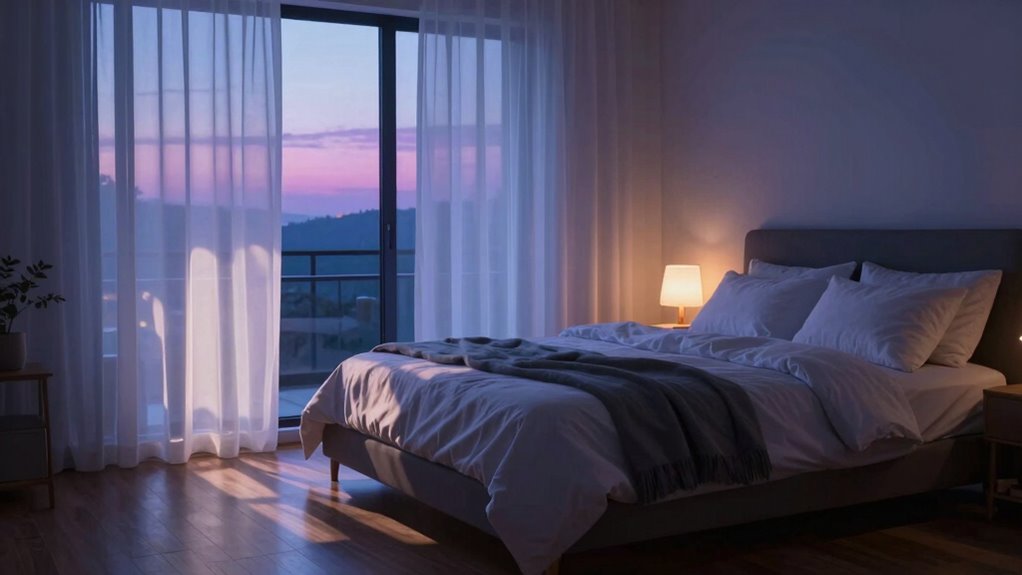
When the evening comes, it’s important to minimize light exposure. Dim the lights in your home and avoid screens at least an hour before bed. The blue light emitted by devices can interfere with your melatonin production, making it harder to fall asleep. If you can, switch to warm, soft lighting to create a serene atmosphere. This signals to your body that it’s time to relax. Incorporating sleep hygiene practices into your routine can further enhance your ability to unwind. As you prepare for sleep, confirm your sleep environment is conducive to rest. A cool, dark room can help you drift off more easily. Consider blackout curtains or a white noise machine if outside noises or light disrupt your sleep. Establishing a consistent bedtime routine can also support your body’s natural circadian rhythm and improve overall sleep quality. Additionally, paying attention to your sleep environment—such as ensuring proper ventilation and comfortable bedding—can make a significant difference in your sleep quality. Proper air quality can also influence sleep by reducing allergens and irritants that may disturb your rest.
Products Worth Considering

Therabody SleepMask Blackout Eye Mask with Vibration

Withings Sleep Under-Mattress Sleep Tracking Pad
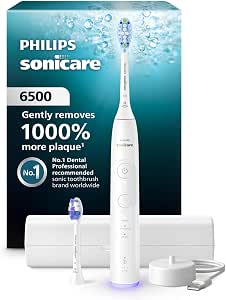
Philips Sonicare 6500 Rechargeable Electric Toothbrush with 2 Brush Heads, White
As an affiliate, we earn on qualifying purchases.
Frequently Asked Questions
How Does Blue Light Affect Sleep Quality?
Blue light greatly impacts your sleep quality by disrupting your sleep cycles. When you’re exposed to blue light, especially from screens, it inhibits melatonin production, making it harder for you to fall asleep. This disruption can lead to shorter, less restorative sleep. To improve your sleep, try reducing blue light exposure in the evening by limiting screen time and using blue light filters. Prioritize a calming environment for a better night’s rest.
Can Morning Light Help With Seasonal Affective Disorder?
Imagine waking up as the sun spills golden rays across your room—this morning light can indeed help with seasonal affective disorder. Light therapy boosts serotonin production, enhancing your mood regulation. By timing your exposure to morning light, you set a positive tone for the day. Just a little time outdoors or near a bright window can lift your spirits and help you feel more energized, combating those winter blues effectively.
What Are the Best Times to Get Morning Light?
The best times to get morning light are within the first hour after sunrise. This is when exposure to natural light can effectively boost your mood and energy levels. Aim to step outside or sit by a window to soak it in. Even on cloudy days, you’ll still benefit from the light. Consistently getting this morning exposure can help regulate your circadian rhythm, making it easier for you to sleep better at night.
Does Evening Calmness Impact Sleep Duration?
Absolutely, evening calmness can greatly impact your sleep duration. Think of your mind as a restless river; when you practice evening routines and relaxation techniques, you can still those waters. Engaging in activities like deep breathing or gentle stretching prepares your body for rest. By winding down, you signal to your brain that it’s time to sleep, ultimately leading to longer, more restorative slumber. Embrace those peaceful moments; they’re essential for rejuvenation.
How Can I Create a Calming Evening Environment?
To create a calming evening environment, start by dimming the lights to signal your brain that it’s time to wind down. Incorporate soothing scents, like lavender or chamomile, using essential oils or candles to enhance relaxation. Unplug from screens and engage in calming activities, such as reading or gentle stretching. Play soft music or nature sounds to further set the mood. These simple changes can make your evenings more peaceful and restful.
Conclusion
By embracing morning light and evening calm, you can greatly improve your sleep quality. You might think, “I don’t have time for early sunlight,” but even a few minutes outside can reset your internal clock. Pair that with a relaxing evening routine, and you’ll create a peaceful environment for rest. Remember, it’s about consistency—small changes can lead to big improvements in how well you sleep. So, why not give it a try? You deserve better rest!