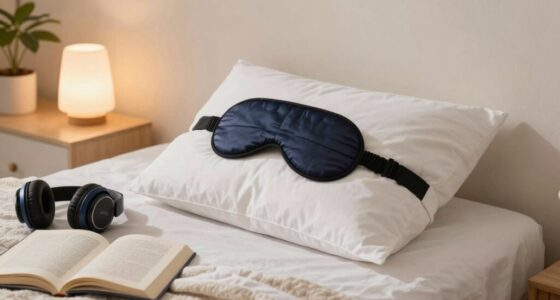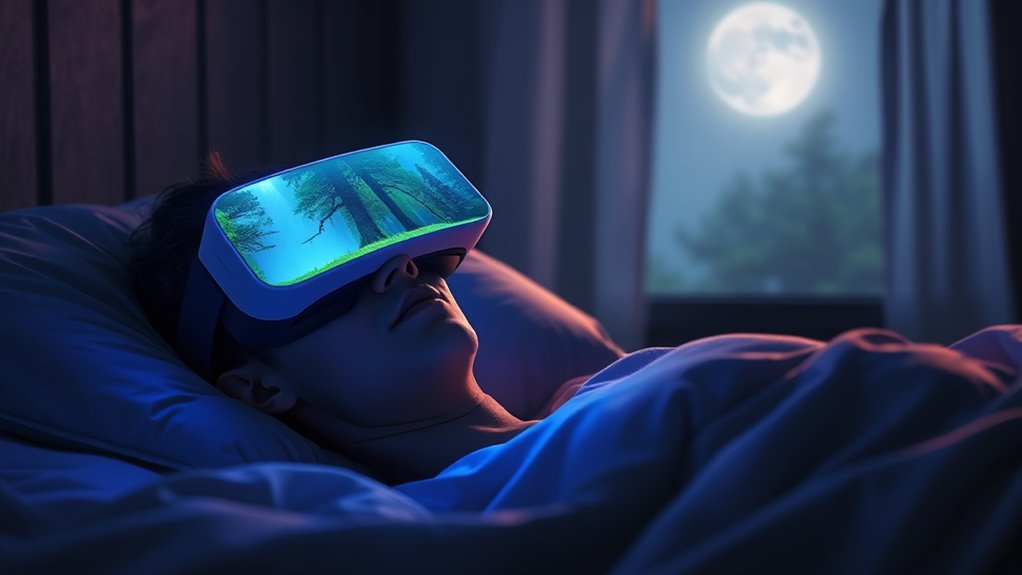

Using virtual reality can effectively help you relax and ease into sleep by immersing you in calming environments like beaches or mountains. These settings reduce stress, promote mindfulness, and guide you through relaxation techniques such as breathing exercises. Customizable experiences can be incorporated into your nightly routine, making it easier to quiet racing thoughts and prepare your mind for rest. Keep exploring to discover how VR can become your go-to tool for better sleep and stress relief.
Open a free Amazon Business account
Business pricing, bulk buying and tax-exempt orders.
As an affiliate, we earn on qualifying purchases.
Key Takeaways
- Immersive VR environments like beaches or forests can help calm the mind before sleep.
- Virtual mindfulness and meditation sessions promote mental relaxation and reduce racing thoughts.
- Guided VR exercises relax muscles and slow heart rate, easing transition into sleep.
- Personalizing virtual settings supports establishing calming nighttime routines.
- Using VR for relaxation can effectively enhance sleep quality through stress reduction.

Virtual reality has emerged as a powerful tool for relaxation, offering immersive environments that help you escape everyday stress. When you put on a VR headset, you’re transported to calming landscapes, tranquil beaches, or peaceful forests—settings designed to soothe your mind. This technology can be particularly effective when integrated with mindfulness meditation, a practice that encourages present-moment awareness and mental clarity. In a virtual environment, you can focus on your breath, sensations, or surrounding sounds without external distractions, making mindfulness meditation more accessible and engaging. As you breathe steadily and observe your thoughts, VR helps deepen your relaxation, reducing mental clutter and promoting a sense of calm.
Stress reduction techniques in VR go beyond simple distraction; they actively cultivate a relaxed state by engaging your senses and mind in peaceful activities. For instance, guided meditations led by virtual instructors can walk you through breathing exercises or body scans, helping you release tension. These guided sessions are often combined with soothing visuals and sounds, creating an immersive experience that makes it easier to let go of stress. As you follow the prompts, you may notice your heart rate slowing and your muscles relaxing—signs that your body is responding positively to the calming environment. This immersive approach helps reinforce the stress reduction techniques you might already practice, but with the added benefit of heightened focus and engagement.
VR environments also allow you to customize your relaxation experience. Whether you prefer a serene mountain retreat or a quiet lakeside, you can select settings that resonate with you. Personalization enhances your ability to unwind, making it easier to establish a routine that fits your lifestyle. As you spend more time in these virtual spaces, you may find it easier to *switch* into sleep, especially if you incorporate relaxation exercises before bedtime. The immersive quality of VR helps quiet your racing thoughts and creates a mental space conducive to sleep, making it a valuable addition to your nightly routine.
In essence, VR can serve as a practical tool to enhance mindfulness meditation and stress reduction techniques, providing an engaging and calming environment. By immersing yourself in these virtual worlds, you’re better equipped to manage stress, relax your mind and body, and ease into sleep more naturally. This innovative approach combines technology with proven relaxation strategies, making it easier for you to find peace and tranquility anytime you need it.

Perytong Sleep Headphones Wireless, Bluetooth Sports Headband Headphones with Ultra-Thin HD Stereo Speakers Perfect for Sleeping,Workout,Jogging,Yoga,Insomnia, Air Travel, Meditation (Grey)
- 3-in-1 Design: Sleep headphones, sleep mask, sports headband
- Comfortable for Side Sleepers: Ultra-thin speakers for side sleeping comfort
- Long Battery Life: Over 12 hours playback on a single charge
As an affiliate, we earn on qualifying purchases.
As an affiliate, we earn on qualifying purchases.
Frequently Asked Questions
How Does VR Compare to Traditional Relaxation Methods?
VR offers a more immersive experience compared to traditional relaxation methods like mindfulness meditation and aromatherapy benefits. You can virtually escape stressors, creating calming environments tailored to your preferences. Unlike aromatherapy, which relies on scent, VR engages your senses visually and audibly, potentially deepening relaxation. While meditation encourages mental stillness, VR actively guides you into tranquility, making it a powerful complementary tool for easing into sleep.
Are There Any Health Risks Associated With VR Relaxation?
Yes, there are health risks with VR relaxation, like eye strain and motion sickness. You might feel discomfort if you use VR for too long or if your eyes aren’t accustomed to the screens. Motion sickness can occur if the virtual environment doesn’t match your movements. To stay safe, take breaks, limit your session time, and make sure your equipment fits well and is adjusted properly.
Can VR Relaxation Help With Chronic Sleep Issues?
VR relaxation definitely can help with chronic sleep issues by transforming your bedtime routine. It promotes better sleep hygiene by creating a calming, distraction-free environment, making your mind relax faster. While it’s not a magic fix, it encourages a digital detox from screens that disrupt sleep. Using VR consistently helps train your brain to associate those virtual calming scenes with rest, gradually easing your shift into restful sleep.
What Types of Virtual Environments Are Most Effective?
You find that virtual environments featuring nature scenes and calming sounds work best for relaxation. These immersive settings help lower your stress and quiet your mind before sleep. Opt for tranquil beaches, lush forests, or gentle rain, combined with soft sounds like flowing water or birdsong. These environments create a peaceful atmosphere, making it easier for you to unwind and drift into sleep naturally and comfortably.
How Long Should a VR Relaxation Session Last?
You should aim for a VR relaxation session lasting around 10 to 20 minutes. This duration allows you to unwind without overstimulation. Use personalized settings to optimize your experience, adjusting visuals, sounds, and intensity based on what calms you best. Keep the session short enough to prevent fatigue, but long enough to relax fully. Experiment to find the perfect balance that helps you ease into sleep comfortably.

Third Reality Voice/Music Assistant Dev Edition – Preloaded with Home Assistant Voice Assistant and Music Assistant, Dual Digital Mics, 3W Speaker, 2.4G WiFi only, Open Source
- Preloaded with Home Assistant: Voice and music workflows ready to use
- Dual Digital Microphones: Voice capture with wake word activation
- Built-in 3W Speaker: Direct audio playback for TTS and music
As an affiliate, we earn on qualifying purchases.
As an affiliate, we earn on qualifying purchases.
Conclusion
So, as you gently drift into the idea of virtual relaxation, remember that these digital retreats can be like a cozy hug for your mind. They might not replace a full night’s rest, but they can certainly help you unwind and find a moment of calm. Think of VR as a gentle nudge toward tranquility, guiding you softly into a more peaceful, restful state. Sometimes, a little virtual escape is just what you need to feel renewed.

GRANDTIES Fluffy Dog Beds for Small Medium Large Dogs & Cats, Machine Washable Dog Bed, Rectangle Breathable Soft Calming Sleeping Warming Pet Beds w/Waterproof & Non-Slip Bottom (XS 17", Moonlight)
- Luxurious and calming comfort: Super soft plush faux fur lining
- All-season reversible cushion: Removable and reversible for summer and winter
- Supportive design: Raised bolster for head and neck support
As an affiliate, we earn on qualifying purchases.
As an affiliate, we earn on qualifying purchases.

Morphée Zen | Guided Meditation Sound Device for Instant Relaxation | Enhance Well-Being, Reduce Stress and find Deep Relaxation | Portable Meditation Sound Machine | 72 Sessions in 4 Languages
- Instant Relaxation: Reduces stress in 5 minutes
- Portable and Lightweight: Fits in pocket or bag
- 72 Meditation Sessions: Includes 6 themes and 2-5 minute sessions
As an affiliate, we earn on qualifying purchases.
As an affiliate, we earn on qualifying purchases.
College move-in / dorm season Picks
dorm essentials
As an affiliate, we earn on qualifying purchases.