
TL;DR
Fit&Well’s guide recommends three bodyweight exercises for beginners seeking to build upper-body strength at home: a plank, knee push-ups and prone swimmers. The routines and benefits are presented as exercise guidance, not as a guarantee of results; people may need to modify the movements to match their abilities.
Fit&Well has published a guide to starting upper-body strength training at home with three bodyweight exercises: a plank, knee push-ups and prone swimmers. The report, citing physical therapist and strength and conditioning specialist Nicholas Rolnick, presents the moves as accessible options for beginners who do not have gym access or weights.

Get wellness gear delivered free with Prime
- Fast, free delivery on millions of items
- Prime Video, Amazon Music and more included
- Member-only deals all year
Rolnick, founder of The Human Performance Mechanic in Manhattan, recommends exercises that use the body for resistance. He says weight-bearing movements can be useful for beginners because they require the body to work on stability and coordinated muscle engagement. That is his explanation for why the movements may provide a stimulus for strength development; the source does not give trial results or quantify expected gains.
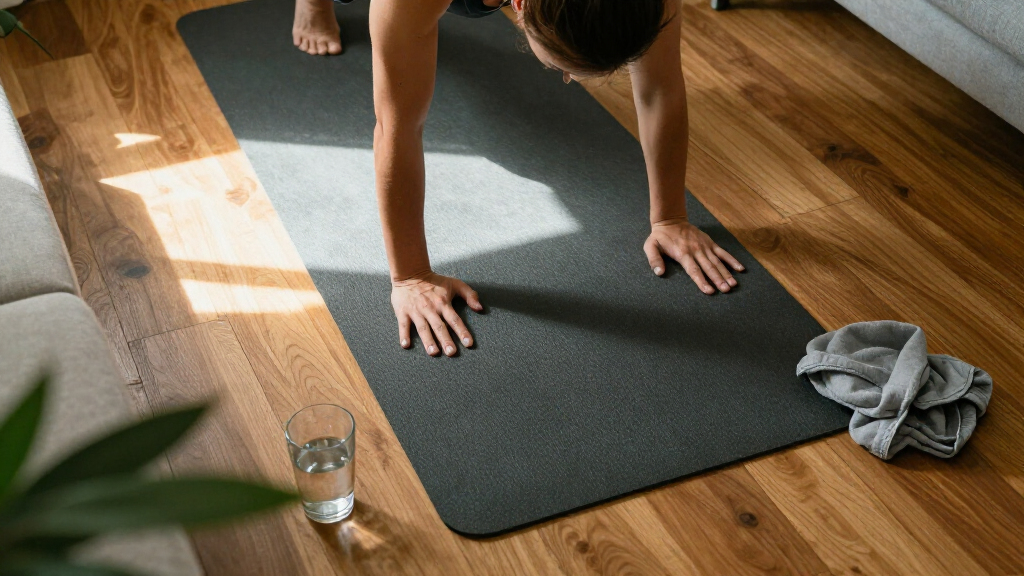
The first exercise is a plank hold, with a suggested goal of one minute. The guide’s instructions begin on hands and knees, with wrists beneath the shoulders, before extending the legs so the body forms a straight line from head to heels. It advises bracing the core, squeezing the glutes, keeping the neck neutral and breathing steadily. Beginners who cannot hold a full plank are advised to remain on their knees and build up their hold.
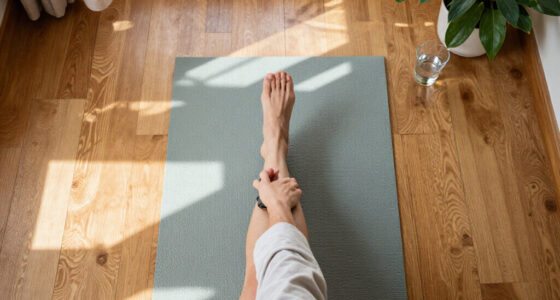
For knee push-ups, the guide suggests three sets of three to five repetitions. It recommends lowering the chest toward a yoga block or rolled-up towel, pausing for two to three seconds, then pressing back up with elbows kept close to the body. Someone unable to push back up can practice the lowering phase slowly, the report says. The third move, prone swimmers, is prescribed for three sets of five repetitions: lying face down, the exerciser lifts and sweeps the arms from the sides, out to shoulder level and forward, then reverses the movement. The guide suggests practicing the arm positions separately if the full sequence is difficult.
A Low-Equipment Starting Point
The guide addresses a practical barrier to beginning strength exercise: access to equipment or a gym. These three movements can be attempted at home without weights, while the knee-based and partial-movement options offer ways to scale the exercises. That may make it easier for some beginners to establish a routine, though the source does not show that these moves suit every person or produce a particular result.
The guidance also underscores that starting does not require performing the most demanding version immediately. A knee plank, controlled lowering during a push-up, or separate arm lifts can reduce the complexity of the movement. Readers should treat the listed sets and repetitions as the report’s suggested starting prescription, not as an individualized training plan. Anyone with an injury, pain, a medical condition or uncertainty about exercise should seek advice from a qualified health professional before beginning.
Products Worth Considering

Blueair Signature SP1i Smart Air Purifier

Withings Body Scan Smart Scale with Segmental Body Composition and ECG, Black

Garmin Forerunner 245 Music GPS Running Smartwatch, Black
As an affiliate, we earn on qualifying purchases.
How the Three Moves Differ
The recommendations focus on bodyweight rather than external resistance. The plank is a static hold; the knee push-up involves lowering and pressing the upper body; and the prone swimmer moves the arms through several positions while lying face down. Together, they give beginners a short sequence of holding, pressing and arm movement, rather than a full-body program.
Fit&Well attributes the selection and exercise advice to Rolnick. The supplied report does not cite a formal study comparing these exact exercises, nor does it specify how often a person should train, how to progress beyond the listed targets or how long strength changes may take. The article is best read as a set of introductory instructions, not a complete or medically tailored fitness plan.
“For beginners, the biggest bang-for-your-buck upper-body exercises are going to involve mostly weight-bearing [moves].”
— Nicholas Rolnick, physical therapist and strength and conditioning specialist, as quoted by Fit&Well
Limits of the Exercise Guidance
The source does not report whether the three-move routine has been tested as a program, how often it should be performed or what results beginners can expect. It also does not define a progression schedule after a person reaches the suggested plank time or repetitions. Those details remain unspecified in the report.
People’s fitness levels and health needs differ, and the guide does not provide individual screening. It is not clear from the source whether the routine is appropriate for someone with wrist, shoulder, back or other health concerns. Exercise should stop if it causes pain, and people with pre-existing conditions or injuries should seek professional guidance.
Building Beyond the Starter Moves
The source offers modifications for each exercise but does not set out a formal next-stage plan. A reader following the guide can begin with the easier versions and work toward its stated targets: a one-minute plank, three sets of three to five knee push-ups and three sets of five prone swimmers. The report does not prescribe a timeline for reaching them.
Further progression—such as changing repetitions, adding exercises or increasing training frequency—would require guidance beyond this article. Fit&Well’s report provides the starting movements; it does not announce a study, program launch or follow-up milestone.
Key Questions
Can I start building upper-body strength without equipment?
Fit&Well’s guide recommends bodyweight exercises as a starting option, including planks, knee push-ups and prone swimmers. It does not promise a particular amount of strength gain.
What should a beginner do if a full plank is too difficult?
The guide advises staying on the knees and building toward a one-minute hold before trying the full plank. Keep the body controlled and breathe steadily.
How many knee push-ups does the guide recommend?
It suggests three sets of three to five repetitions, lowering the chest toward a block or rolled towel and pausing for two to three seconds. If pressing back up is not yet possible, it suggests practicing the lowering phase.
What are prone swimmers?
They are an arm movement performed while lying face down. The arms sweep from beside the body, out to shoulder level and forward, then return; the guide suggests three sets of five repetitions.
Is this routine suitable for everyone?
The report does not provide individualized medical advice or establish that the moves suit everyone. People with injuries, pain or pre-existing conditions should consult a qualified health professional before starting.
Source: fitandwell.com