TL;DR
Pilates instructor Sammy Taylor recommends five beginner-friendly movements in a roughly 10-minute routine: a glute bridge, dead bug, side-lying leg lift, bird dog and roll down. The source describes modifications for each exercise and advises starting with one round, resting between movements and progressing at an individual pace.
Fit&Well has published a five-move Pilates routine from instructor Sammy Taylor, aimed at people new to exercise or Pilates. The approximately 10-minute sequence pairs a glute bridge, dead bug, side-lying leg lift, bird dog and roll down with simpler options, so readers can adjust the movements to their ability and comfort.

Get wellness gear delivered free with Prime
- Fast, free delivery on millions of items
- Prime Video, Amazon Music and more included
- Member-only deals all year
Taylor, a Pilates instructor who works with people with neurological conditions and limited mobility, recommends completing one round of all five movements to start. The routine is designed to take around 10 minutes, with 15 to 20 seconds of rest between exercises. Taylor advises practicing two to three times a week, moving at an individual pace and using easier options when needed. Those who feel comfortable can build up to two rounds.
The first two exercises are performed on the back. For the glute bridge, the participant bends the knees with feet hip-width apart, gently tilts the pelvis and raises the hips before lowering the spine. The suggested range is eight to 10 repetitions. A beginner can lift only a short distance or practice the pelvic tilt without raising the hips. For the dead bug, the arms reach upward while the hips and knees are bent; the participant extends one leg and the opposite arm while keeping the lower back pressed into the mat. Taylor suggests six to eight repetitions per side. Easier options include sliding one heel at a time or moving the legs without the arms.
The remaining exercises involve side-lying, hands-and-knees and standing positions. The side-lying leg lift calls for eight to 10 controlled lifts per side, with a bent bottom leg and a smaller lift offered as modifications. In the bird dog, the participant reaches one arm forward and the opposite leg back without twisting the torso; Taylor suggests six to eight repetitions per side. A leg slide or single-arm reach can simplify it, and an arm reach can be practiced seated if kneeling is uncomfortable. The routine ends with four to five roll downs, in which a person gently rounds forward from standing and returns upright. A smaller bend with hands sliding down the thighs, or a seated forward curl, is offered as an alternative.
How the Routine Scales for Beginners
The routine’s practical value is its built-in range of difficulty, rather than a claim that one set of exercises suits everyone. Each movement includes a way to reduce its range or coordination demands, and the bird dog also has a seated option for people who find kneeling uncomfortable. That gives newcomers several ways to approach the sequence without treating the full version as a requirement.
The five moves cover different positions and movement patterns: hip lifting, coordinated arm-and-leg movement, side-leg work, balance and spinal flexion. Fit&Well presents the sequence as a way to work on core and glute strength, mobility and body awareness. Those are the report’s stated aims, not evidence that the routine will produce the same results for every person. Starting with one round and short rests also makes the suggested session easier to scale than beginning with repeated circuits.
Products Worth Considering

Levoit Vital 100S-P Air Purifier with Washable Pre-Filter

Therabody WaveDuo Contoured Vibrating Back and Neck Roller

Levoit Core 600S-P Smart Air Purifier for Large Rooms
As an affiliate, we earn on qualifying purchases.
A Low-Equipment Pilates Starting Point
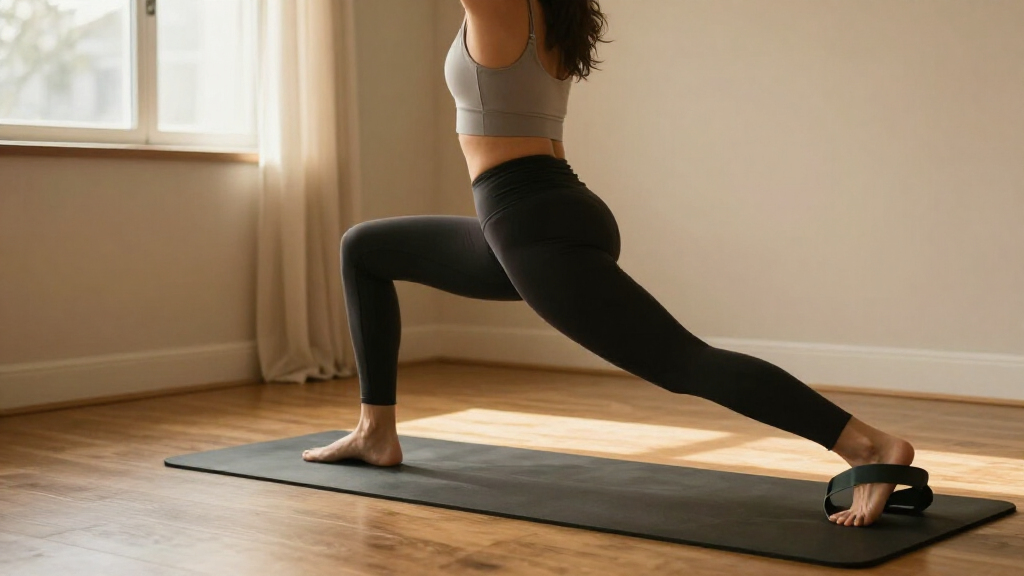
Fit&Well describes Pilates as a low-impact activity that can be done using body weight and adapted to accommodate limitations. The article draws on Taylor’s experience working with beginners, including people with limited mobility, to present modifications alongside the standard movements rather than treating them as a separate advanced routine.
The source does not provide a study, comparison with other forms of exercise, or evidence that this particular sequence improves health outcomes. It is an instructor’s practical routine, with specified repetitions, brief rests and a suggested weekly frequency. Readers should understand it as general exercise guidance, not an individualized assessment or treatment plan.
“Practice it two to three times a week, moving at your own pace and using the easier options whenever needed.”
— Sammy Taylor, Pilates instructor, as quoted by Fit&Well
Individual Needs and Outcomes Vary
The supplied report does not specify a publication date, cite research testing the five-move sequence, or quantify how much strength or mobility participants might gain. It also does not establish that the exercises are suitable for every injury or medical condition. Whether a movement is comfortable depends on the individual, and the article’s modifications are general suggestions rather than personalized clinical advice.
People with an existing injury, a condition affecting movement, or uncertainty about exercise should seek guidance from a qualified health professional before starting. Stop or modify a movement if it causes pain, dizziness or other concerning symptoms. The source does not report follow-up data on how participants respond to the routine.
Start Small and Adjust Each Move
The next step described by Taylor is to complete one round of the five exercises, resting 15 to 20 seconds between movements, and to use the easier variations where helpful. The routine can be repeated two to three times a week at a self-selected pace. If it feels manageable, Fit&Well says readers can progress to two rounds; the source does not prescribe a deadline for that increase.
Readers can use the repetition ranges as a guide rather than a target to push through: eight to 10 bridges, six to eight dead bugs per side, eight to 10 leg lifts per side, six to eight bird dogs per side and four to five roll downs. The report offers no further scheduled progression or outcome check, so any increase should be based on comfort and individual needs.
Key Questions
What are the five beginner Pilates moves?
The sequence includes a glute bridge, dead bug, side-lying leg lift, bird dog and roll down. Fit&Well pairs each with an easier variation.
How long does the Pilates routine take?
Fit&Well estimates that one round takes around 10 minutes, including 15 to 20 seconds of rest between exercises. The time may vary with pace and breaks.
How often does Taylor recommend practicing?
Taylor advises practicing two to three times a week, moving at an individual pace and using easier options when needed.
Can the exercises be adapted for limited mobility?
The routine includes options such as smaller movements, heel slides and a seated arm reach instead of a kneeling bird dog. These are general modifications, not a guarantee that every exercise will suit a particular condition.
When should someone seek advice before trying the routine?
People with an injury, a condition affecting movement, or uncertainty about whether an exercise is appropriate should consult a qualified health professional. Stop or change a movement if it causes pain or other concerning symptoms.
Source: fitandwell.com