
TL;DR

Get wellness gear delivered free with Prime
- Fast, free delivery on millions of items
- Prime Video, Amazon Music and more included
- Member-only deals all year
A Fit&Well writer reports that year-round step-ups and Bulgarian split squats helped them feel steady while hiking to a 5,889-foot summit in Albania. The exercises can be done with a chair or bench and adjusted with height or added weight, but the account is personal rather than evidence from a controlled study.
A Fit&Well writer says step-ups and Bulgarian split squats helped them feel steady on a hike to a 5,889-foot (1,795-metre) summit in Albania’s Albanian Alps. The report offers walkers two ways to practise single-leg strength at home or in a gym, but its account is personal and does not establish that the exercises will produce the same results for everyone.
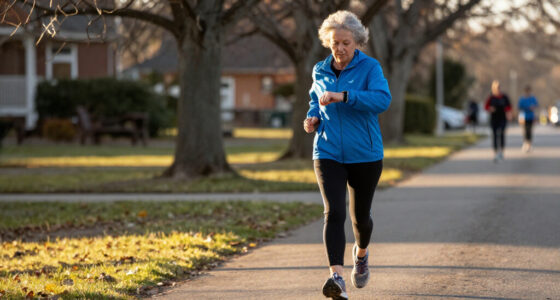
The writer says they live in London, where access to challenging terrain is limited, and make trips farther afield a few times a year. Before the Albanian hike, they had included single-leg exercises in their training year-round. On the climb, they report feeling stable while stepping over boulders and rocks, and say they had no knee discomfort on the descent.
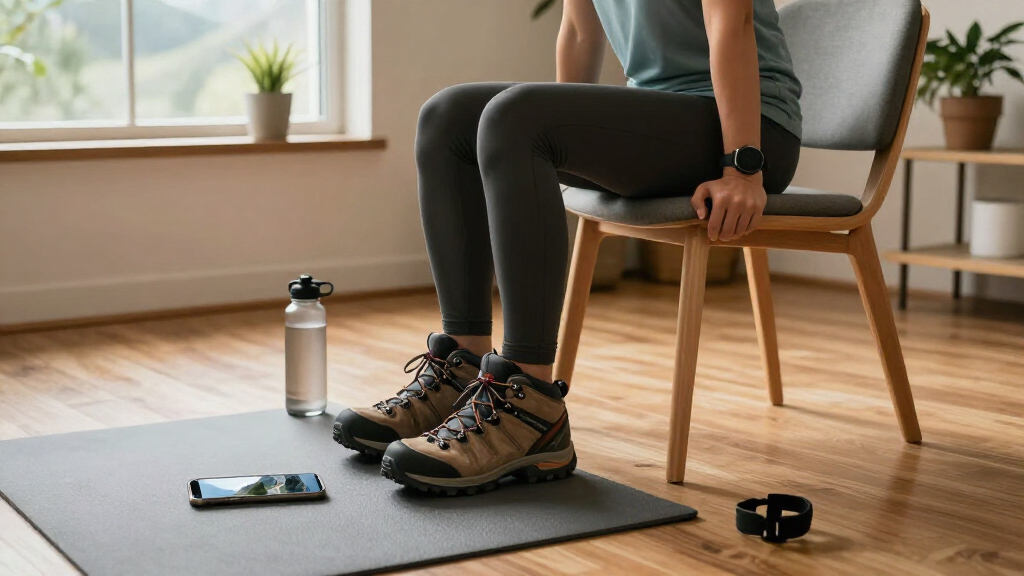
The first exercise is the step-up: place one foot on a stable raised surface, push through that foot to stand, then lower the other foot with control. The source recommends 8–12 repetitions per side. A lower step can make the movement easier; a higher step or a weight held at the chest can make it more challenging.
The second is the Bulgarian split squat, performed with the top of the rear foot resting on a chair or bench while the front foot stays on the floor. Bend the front knee to lower, keeping it above the ankle, then push through the front foot to stand. The report also suggests 8–12 repetitions per side and says a weight in each hand, or one held at the chest, can increase the difficulty. Both movements can be scaled from bodyweight to added resistance.
Building Strength for Steeper Trails
The report gives walkers a practical example of how strength exercises may fit into preparation for routes with climbs and uneven ground. Step-ups resemble the action of climbing a rise, while both exercises train one leg at a time. The writer and their coach say the movements work the hips, hamstrings, quadriceps and glutes, and can also challenge core stability.
That is useful context for people who cannot regularly train on hills: the exercises need only a stable chair or bench to get started. However, the summit account is one person’s experience, not a test of exercise effectiveness. It does not show that these movements alone caused the writer’s performance, or that they prevent knee pain or injuries. Walkers should build effort gradually and choose a setup they can control; people with existing injuries or health conditions can seek guidance from a qualified professional before changing their training.
Products Worth Considering

Bowflex SelectTech 840 Adjustable Kettlebell

BowFlex Results Series SelectTech Dumbbells

Oral-B iO5 Rechargeable Electric Toothbrush with 5 Cleaning Modes
As an affiliate, we earn on qualifying purchases.
The Training Behind the Summit
The source is a first-person fitness report about hiking preparation, not a clinical study or a formal assessment of hiking programmes. The writer describes a routine shaped by limited access to hills in London and says their coach regularly includes the two exercises. They also say they program them for personal-training clients, though the article provides no client outcomes or comparative data.
The exercises can be adjusted by changing the height of the platform or adding resistance, according to the report. For step-ups, the writer describes completing repetitions on one side before switching; for split squats, the rear foot is elevated and the front leg does the lowering and rising. These are instructions from the source, not an individually tailored training plan. A secure support and controlled movement matter when practising at home.
““I felt steady on my feet as I lunged confidently over boulders and large rocks.””
— Fit&Well writer
What the Personal Account Cannot Show
The report does not provide a training schedule, how long the writer had practised each movement, or details about the route’s length, elevation gain, weather or overall difficulty. It also does not compare the exercises with other preparation methods. There is no study evidence presented showing that these two movements alone led to the summit or prevented knee discomfort. The writer’s experience cannot predict how another walker will respond, and the source does not describe any injuries or adverse effects among people doing the exercises.
How Walkers Can Apply the Advice
The source does not announce a follow-up study or other next milestone. For readers considering the exercises, the practical next step is to begin with bodyweight and a stable, low platform, using a range of motion they can control. The report’s suggested starting volume is 8–12 repetitions per side; it does not specify how many sets or how often to train. Increase the height or resistance only if the movement remains controlled, and stop if it causes pain. Walkers with existing conditions or injuries should consult a qualified health professional about suitable exercise options.
Key Questions
Which two exercises does the report recommend?
It names step-ups and Bulgarian split squats as the two single-leg exercises the writer says they used in training before the Albanian Alps hike.
How many repetitions does the source suggest?
The report recommends 8–12 repetitions per side for each exercise. It does not specify the number of sets or a weekly schedule.
Can the exercises be done at home?
According to the report, they can be done with a stable chair or bench. Use a secure surface and start with a height and level of resistance that allow controlled movement.
Does the report prove these exercises prevent knee pain?
No. The writer says they had no knee discomfort on their descent, but that is a personal account. The source provides no trial or other evidence that the exercises prevent knee pain or injury.
Source: fitandwell.com