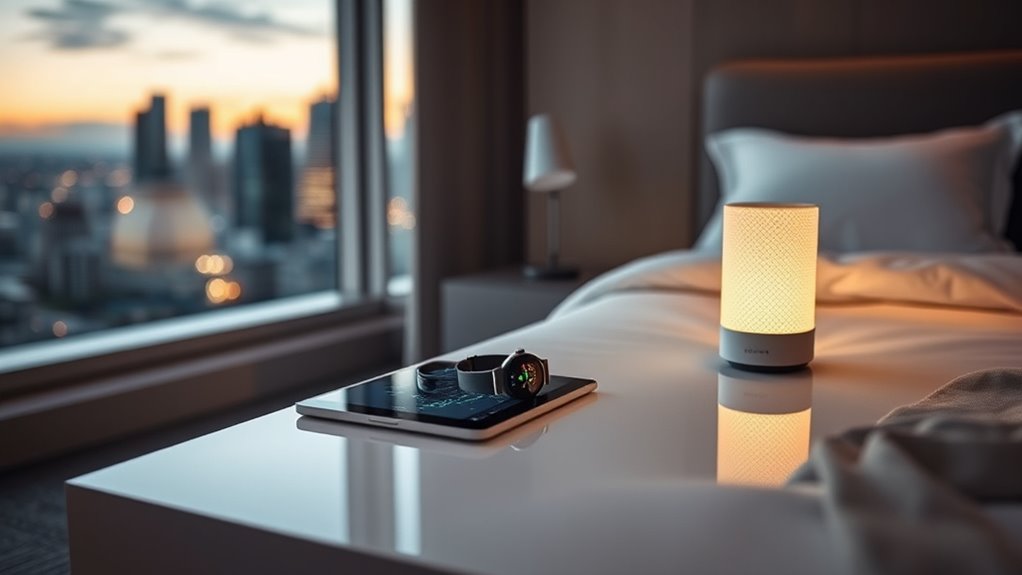

Many wellness gadgets collect your personal health data, like heart rate, sleep, and activity patterns, often transmitting it over the internet. While encryption helps protect this info, many devices share data with third parties or store it without clear user awareness. Your privacy depends on understanding and controlling settings, reviewing policies, and making active choices. If you want to learn how to better safeguard your health info, there’s more you need to know.
Open a free Amazon Business account
Business pricing, bulk buying and tax-exempt orders.
As an affiliate, we earn on qualifying purchases.
Key Takeaways
- Wellness gadgets collect sensitive health data like heart rate, sleep patterns, and personal info, raising privacy concerns.
- Data encryption protects health information during transmission and storage, preventing unauthorized access.
- User consent and privacy policies determine how health data is shared, used, or stored by device manufacturers.
- Users can control their privacy by reviewing settings, managing permissions, and understanding data handling practices.
- Strong technical safeguards combined with informed user choices help prevent gadgets from spying or misusing personal data.
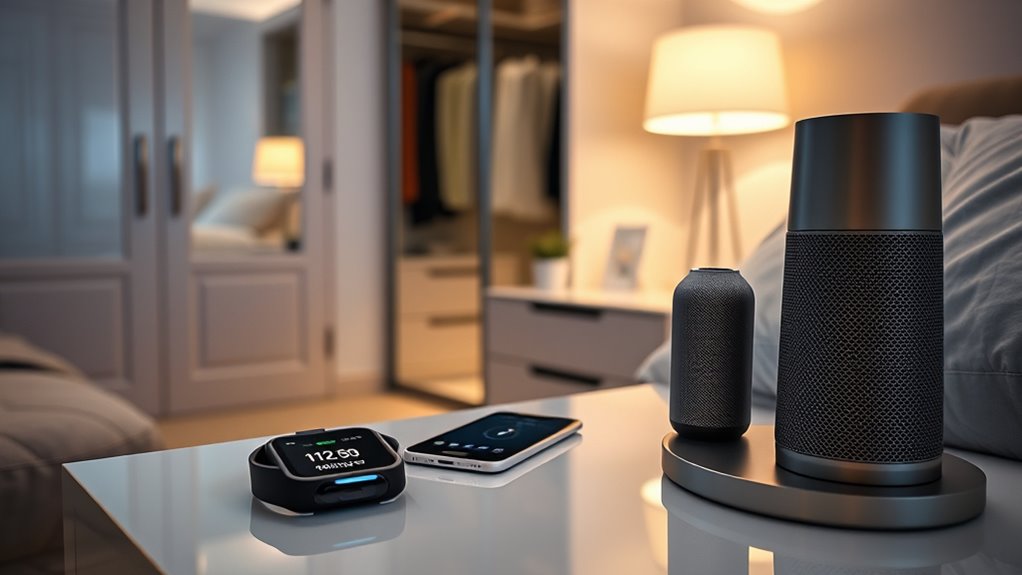
Have you ever wondered how your personal health data is collected and used by wellness tech devices? When you wear a fitness tracker or use a health app, you’re sharing sensitive information—your heart rate, sleep patterns, steps, and even more detailed medical data. It’s tempting to think this data stays locked away, but that’s not always the case. To protect your privacy, these devices rely heavily on data encryption. This process scrambles your information into an unreadable format during transmission and storage, making it much harder for hackers or unauthorized parties to access your personal details. Encryption acts like a digital lock, ensuring that only authorized systems with the right key can decode and use your data. Without it, your health information could easily fall into the wrong hands, exposing you to privacy breaches or identity theft.
But encryption alone isn’t enough. Your awareness and control over how your data is handled are equally critical. That’s where user consent comes into play. Manufacturers and app developers are legally required to inform you about what data they collect, how they plan to use it, and with whom they might share it. When you set up your device or app, you’re prompted to review and agree to these terms—your user consent. By actively giving or denying permission, you decide whether your data is shared with third parties, used for targeted advertising, or stored in the cloud. It’s essential to read these consent forms carefully because they often contain details about data retention periods and sharing practices that aren’t immediately obvious.
You also have the right to revoke your consent at any time. If you’re uncomfortable with how your data is being used, most platforms allow you to adjust privacy settings or delete your data altogether. Staying informed about these options helps you maintain control over your personal health information. Remember, the more transparent the company’s policies, the easier it is for you to make informed decisions. Ultimately, your privacy depends on a combination of strong technical safeguards like data encryption and proactive personal choices through user consent. Don’t just accept permissions passively—question and understand what you’re agreeing to. By doing so, you’re taking an active role in protecting your sensitive health data from misuse or unauthorized access. This awareness is essential as wellness tech continues to evolve and gather more detailed information about your body and habits. Additionally, understanding how data security measures function can help you better evaluate the trustworthiness of your health devices and apps.
As an affiliate, we earn on qualifying purchases.
Frequently Asked Questions
How Secure Is My Health Data Stored by Wellness Device Manufacturers?
Your health data stored by wellness device manufacturers is only as secure as their practices. They often use data encryption to protect your information from unauthorized access, but security varies. Always read their privacy policies and confirm you give informed user consent before sharing sensitive details. Stay vigilant, update your devices regularly, and choose trusted brands to better safeguard your health data from potential breaches.
Can Wellness Gadgets Share My Data With Third-Party Advertisers?
Ever wondered if your wellness gadgets share your data with third-party advertisers? They can, through data sharing practices that grant third-party access to your health info. While some companies do this to improve services, others might sell your data without explicit consent. You should always review privacy policies and opt out of data sharing when possible. Protect your info by staying informed and cautious about what your devices collect and share.
What Rights Do I Have Over My Personal Data Collected by These Devices?
You have rights over your personal data, including data ownership and consent rights. You can request access to the data your wellness gadgets collect, ask for corrections, or even demand deletion. Always review privacy policies to understand how your data is used, and exercise your consent rights before sharing sensitive information. Stay informed about your rights to control your data and protect your privacy in the digital health space.
Are There Legal Regulations Governing Privacy in Wellness Technology?
Legal frameworks and privacy legislation do govern wellness technology, but their strength varies by country. You’re protected by laws like GDPR in Europe or CCPA in California, which set rules for data collection and user rights. However, many devices still operate in gray areas, so it’s wise to stay informed about these regulations and review your device’s privacy policies to guarantee your personal data remains protected.
How Can I Detect if My Wellness Device Is Secretly Spying on Me?
You’re right to be cautious—about 60% of wellness device users worry about privacy. To detect if your device is spying, check its permissions; if it requests access to your microphone or camera unnecessarily, that’s a red flag. Also, verify if your device uses data encryption—secure data transmission helps prevent spying. Regularly review privacy settings and keep firmware updated to stay ahead of potential privacy breaches.
As an affiliate, we earn on qualifying purchases.
Conclusion
So, while your wellness gadgets promise to keep you healthier and happier, they might also be silently spying on your most personal moments. Ironically, in trying to protect your health, you could be unknowingly handing over your secrets. Maybe the real wellness trick is just learning to live without constant data updates—because sometimes, the best health advice is to disconnect and trust yourself, not your gadgets. After all, privacy might just be the ultimate wellness goal.
wellness gadget privacy settings
As an affiliate, we earn on qualifying purchases.
As an affiliate, we earn on qualifying purchases.
As an affiliate, we earn on qualifying purchases.
NFL season / tailgating Picks
team gear
As an affiliate, we earn on qualifying purchases.