TL;DR

Get wellness gear delivered free — and shop member deals
- Fast, free delivery on millions of items
- Access to Prime Big Deal Days deals on October 6–7
- Prime Video, Amazon Music and more included
In a personal essay for Tiny Buddha, Ayurvedic medical student Joey Dua recounts how nightly eye burning during long study sessions prompted him to look away from screens and reflect on his attention. He says brief pauses and looking into the distance helped him notice tension and reconnect with his surroundings, while acknowledging that the eye practices he tried are not established therapies.
Ayurvedic medical student Joey Dua says recurring eye burning during long study sessions led him to change how he responded to screen fatigue and to reconsider what he called attention. In a personal essay published by Tiny Buddha, he describes studying on digital devices for 12 or 13 hours a day and says pauses, closed eyes and looking into the distance helped him notice habits beyond his eyesight.
Dua writes that his eyes began burning at about nine o’clock each night during his second year of medical school. He was preparing for exams with lecture slides, reference texts and practice questions on screens, and initially rubbed his eyes or blinked before returning to work. He says his studies included teachings about eye strain, rest and staying awake late, but he did not connect those lessons to his own routine at first.
One evening, after a power flicker made him look up from his laptop, Dua says he briefly struggled to focus on the far wall. His focus returned within seconds. He describes the episode as frightening, while saying it was not medically dramatic; the lasting effect was realizing he could not remember when he had last looked at the view outside his window.
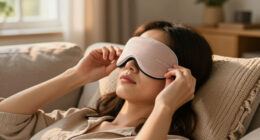
He then tried practices described by his professors, including warming and cupping his hands over closed eyes, gazing at distant objects, splashing his eyes with cool water and closing his eyes fully during the day. Dua is careful about the evidence: he writes that he cannot say these practices are proven therapies and that some have been studied very little. His account reports personal observations, not clinical results.
Screen Strain Changed His Study Routine
Dua’s account matters as a first-person description of how prolonged close-up screen work can coincide with eye discomfort and a narrowed daily routine. He says he was also eating at his desk without much attention, skimming messages and continuing to scroll while talking with his mother. The essay’s central point is that eye discomfort became a signal for him to notice how he was spending his attention.
His experience does not establish that screen use caused a lasting vision problem, or that the practices he tried treat eye strain. It does show how one student responded to recurring discomfort: by pausing, looking farther away and checking in with his body and surroundings. For readers who spend long periods studying or working at a screen, that distinction keeps the story useful without turning a personal account into medical advice.
Long Study Days Behind the Essay
The essay places the experience during Dua’s second year of Ayurvedic medical school, as exams approached. His study materials had shifted onto a laptop and phone, and he says he spent 12 or 13 hours a day reading from screens. The view outside his desk window included a neem tree, a water tank and rooftops that turned pink around sunset, but he writes that he had not noticed it for weeks.
Dua identifies himself as a BAMS student and says he runs Darakhtveda, an Indian Ayurvedic brand whose first product is I-Care Eye Drops. That affiliation is relevant context for readers evaluating his perspective. The essay does not present research findings, a formal medical evaluation or evidence about the product; it is a personal reflection on his study habits and the practices he tried.
“I was not paying attention. I was narrowing it.”
— Joey Dua, in his Tiny Buddha essay
Evidence and Eye Symptoms Remain Open
The essay does not report an eye examination or identify a medical cause for Dua’s burning eyes or brief difficulty focusing. It gives no clinical measurements, comparison group or follow-up data, and it does not establish whether palming, distance gazing, cool water or deliberate blinking changed his eye health. Dua himself says some of the practices have been studied very little.
It is also unclear how often the symptoms occurred, whether they continued at the same level, or whether other changes contributed to his experience. The article supports conclusions about Dua’s own reflections; it cannot show that his routine or results apply to other students. Readers with persistent or concerning eye symptoms would need advice from a qualified health professional.
Dua Keeps Making Room for Rest
Dua writes that he remains a student and continues to use screens. He does not announce a formal program or a research project. Instead, he says that when his eyes begin burning, he now closes them for a while or goes to look at the neem tree. He describes the change as a way to respond to discomfort rather than push through it.
The essay ends with the sunset view outside his window: Dua says he is now at the window for its brief period of pink light on most evenings. No further evidence about his symptoms or the effects of his practices is provided. The next development in the account is personal: whether he continues to make those pauses part of life as a student.
Key Questions
What prompted Joey Dua to rethink his attention?
He says nightly eye burning during long screen-based study sessions made him notice how little he looked away from his work or attended to other parts of his day.
What practices did Dua try?
He describes palming, distance gazing, cool water and closing his eyes fully during the day. These are practices he personally tried, not treatments shown by his essay to be effective.
Does the essay show that these practices treat eye strain?
No. Dua says he cannot call them proven therapies, and notes that some have been studied very little. His article reports personal experience rather than clinical evidence.
What remains unknown about his symptoms?
The essay does not give a medical diagnosis, examination results, symptom measurements or a detailed account of how the symptoms changed over time. It also does not establish the cause of the burning or brief focusing difficulty.
Source: rss
Halloween Picks
halloween
As an affiliate, we earn on qualifying purchases.