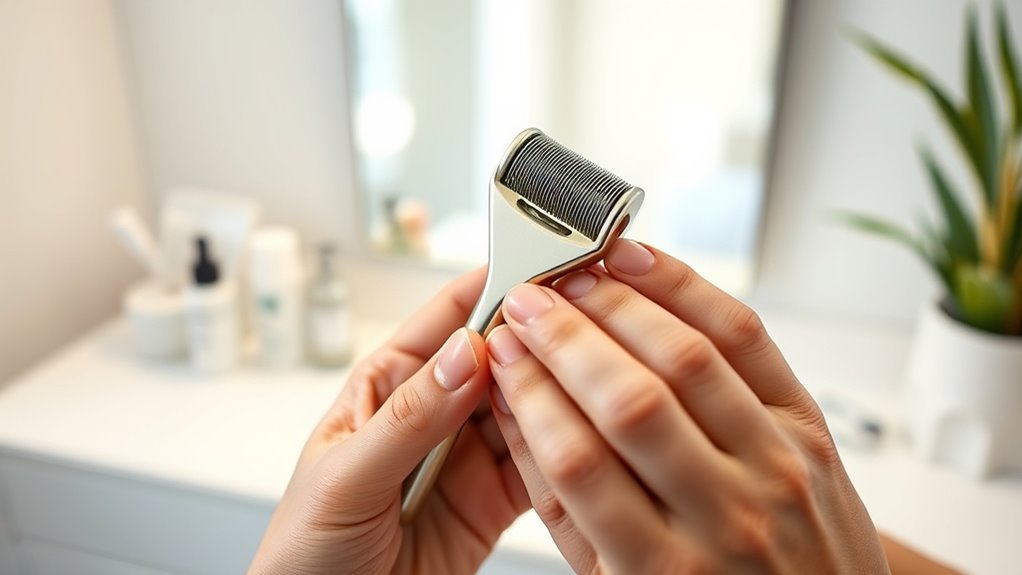

Using dermarollers or micro-needling pens at home isn’t entirely safe, especially without professional guidance. Improper technique or low-quality tools can cause micro-tears, skin barrier damage, or infections. Without proper sterilization and expert advice, you risk irritation, scarring, and long-term harm. To keep your skin healthy and protected, it’s best to seek professional advice and treatment options. Keep going to learn more about how to safely approach microneedling at home.

Get wellness gear delivered free — and shop member deals
- Fast, free delivery on millions of items
- Access to Prime Big Deal Days deals on October 6–7
- Prime Video, Amazon Music and more included
Key Takeaways
- DIY microneedling risks skin damage, infections, and long-term issues without professional guidance.
- Proper skin barrier protection is crucial; at-home tools may compromise this, leading to irritation.
- Unsterile, low-quality tools increase infection risk compared to professional, sterilized devices.
- Incorrect technique and pressure can cause uneven punctures, irritation, or scarring.
- Professional assessment and post-care support ensure safer, more effective microneedling results.
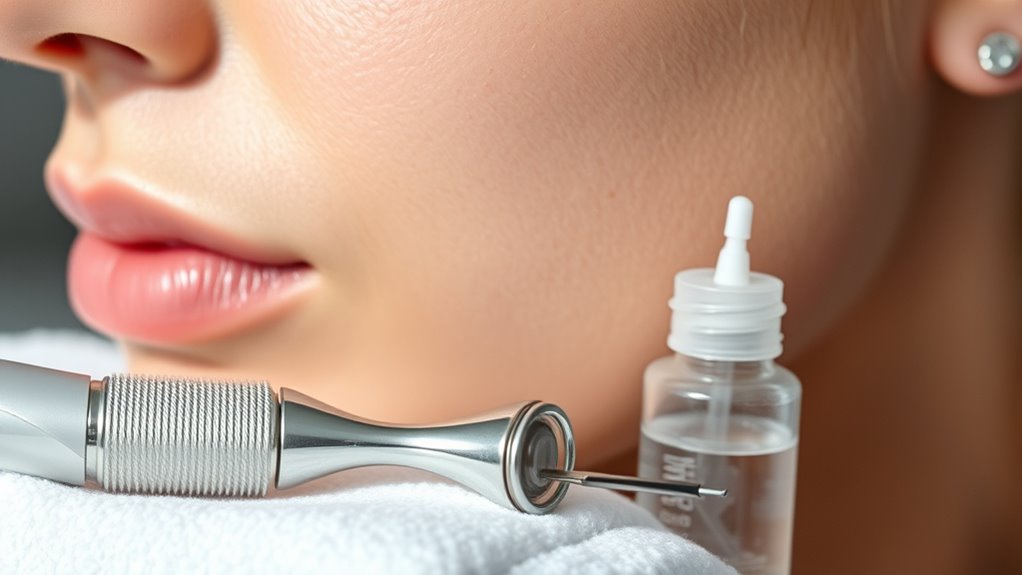
If you’re interested in improving your skin’s texture and appearance, DIY microneedling might seem like an appealing option. After all, it promises to boost collagen, reduce scars, and give you a more youthful glow—all from the comfort of your home. But before grabbing a dermaroller or a microneedling pen, it’s vital to consider the importance of professional oversight. Unlike treatments performed by licensed dermatologists or skincare specialists, DIY procedures lack the guidance needed to guarantee safety and effectiveness. Without expert supervision, you risk damaging your skin barrier, which is your body’s first line of defense against environmental stressors and infections.
Your skin barrier functions as a protective shield, maintaining hydration and preventing bacteria from penetrating deeper layers. When you use a dermaroller or pen improperly, you can cause micro-tears or excessive trauma that compromise this barrier. Overly aggressive or uncontrolled punctures can lead to inflammation, irritation, or even infections. These complications aren’t just temporary; they can result in long-term damage, including hyperpigmentation or scarring. Professional oversight ensures that treatments are tailored to your skin type and condition, reducing the risk of harm. Dermatologists know how to adjust needle depth, pressure, and frequency to maximize benefits while minimizing risks.
Another concern with DIY microneedling is the quality of the tools and the sterility of the process. Professional clinics use medical-grade devices that are rigorously sterilized, reducing the chance of introducing bacteria or other contaminants into your skin. In contrast, at-home tools might not meet the same standards, increasing infection risks. Proper technique is essential; even slight missteps can lead to uneven punctures or excessive skin trauma. Without proper training, you might not realize how deep you should penetrate or how to avoid sensitive areas, which can result in unwanted side effects. Using energy-efficient tools that are designed for professional use can also enhance safety and outcomes.
Furthermore, professionals can assess your skin’s needs and provide pre- and post-treatment advice that optimizes healing and results. They can identify underlying skin issues—like active acne or eczema—that might contraindicate microneedling. At-home treatments lack this expert assessment, making it easier to overlook signs of adverse reactions or complications. While DIY microneedling can seem convenient and cost-effective, the risks to your skin’s health and integrity outweigh the potential benefits if done improperly. Always consider consulting a licensed skincare provider before attempting any invasive skin treatments, as professional oversight is key to safe, effective results.
As an affiliate, we earn on qualifying purchases.
Frequently Asked Questions
Can DIY Microneedling Cause Permanent Skin Damage?
DIY microneedling can cause permanent skin damage if you’re not careful. Improper technique or overuse may lead to skin scarring or nerve damage, especially if you don’t sterilize tools properly or apply excessive pressure. While it might improve skin texture, there’s a risk of creating long-lasting issues. Always weigh the potential for permanent damage and consider consulting a professional to ensure safe, effective treatments that safeguard your skin’s health.
How Often Should I Use a Dermaroller at Home?
Think of your dermaroller as a delicate garden tool; overuse can cause damage. You should use it once every 4 to 6 weeks, allowing your skin to go through its natural healing process. Proper dermaroller maintenance, like cleaning after each use, is essential. Avoid frequent sessions to prevent irritation and promote healthy skin regeneration. Patience is key—let your skin rest and recover for the best results.
What Are the Signs of Infection After DIY Microneedling?
If you notice infection symptoms like increased redness, swelling, pus, or warmth around the treated area, stop using your dermaroller or pen immediately. Skin irritation, persistent pain, or worsening redness also indicate a problem. Keep an eye out for these signs, and if they occur, consult a healthcare professional promptly. Proper cleaning and sterilization are essential to prevent infection, but if symptoms develop, seek medical advice to avoid complications.
Are There Age Restrictions for Home Microneedling?
Imagine your skin as a delicate garden, needing careful tending. Age restrictions for home microneedling typically advise against teenagers, as their skin is still developing and may react unpredictably. If you’re considering teen skincare, it’s best to wait until your skin matures. Always consult a dermatologist before starting any DIY treatments, ensuring your skin’s growth remains healthy and vibrant, like a well-nurtured bloom.
Can DIY Microneedling Replace Professional Treatments?
DIY microneedling can’t fully replace professional treatments because professional equipment and dermatologist supervision guarantee safety and ideal results. While at-home dermarollers or pens may improve skin, they lack the precision and depth control of professional tools. If you want significant, lasting improvements, it’s best to consult a dermatologist who can provide safe, effective treatments with proper supervision, reducing risks and maximizing benefits.
micro-needling pen professional grade
As an affiliate, we earn on qualifying purchases.
As an affiliate, we earn on qualifying purchases.
Conclusion
While it might seem tempting to try DIY microneedling, remember, even the bravest knights in shining armor knew when to seek a wise healer. Using dermarollers or pens at home can carry risks if not done properly. Don’t let your enthusiasm turn into a quest for trouble—consult a skincare professional before setting out on this journey. Safety should always be your guiding star, so don’t be a Robin Hood of skincare; leave the dangerous deeds to the experts.
As an affiliate, we earn on qualifying purchases.
dermabrasion and microneedling tools
As an affiliate, we earn on qualifying purchases.
As an affiliate, we earn on qualifying purchases.
Fall Picks
fall essentials
As an affiliate, we earn on qualifying purchases.