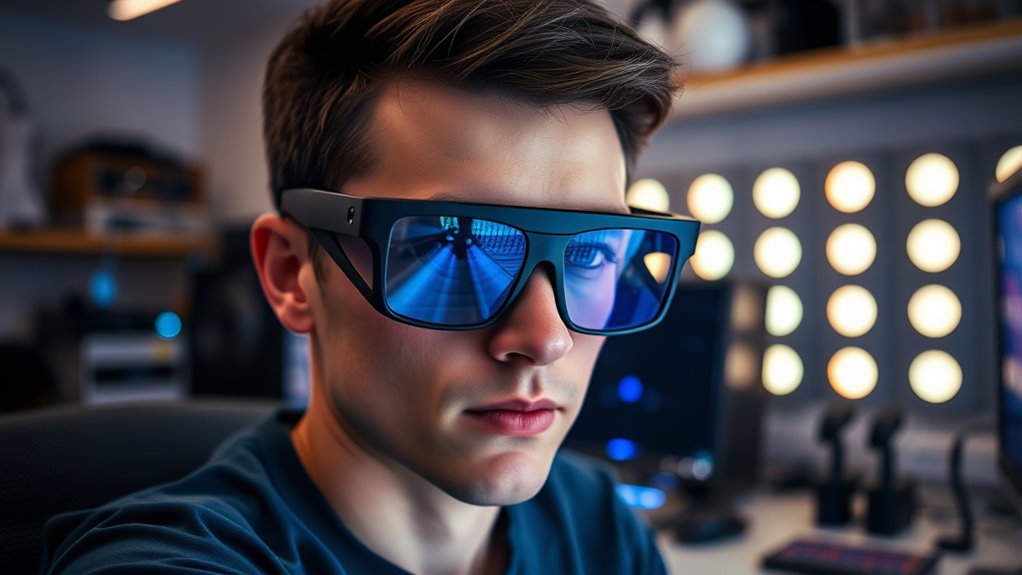
Yes, you need to wear eye protection when using at-home laser and LED devices to reduce the risk of eye injury from direct or reflected light. Even with safety features, focusing beams and intense light can cause discomfort or damage if misdirected. Always follow safety guidelines and wear specialized goggles or eye shields designed for the specific wavelength. Keep your environment safe and check your equipment regularly to protect your eyes — and learn more about staying safe with these devices.

Get wellness gear delivered free — and shop member deals
- Fast, free delivery on millions of items
- Access to Prime Big Deal Days deals on October 6–7
- Prime Video, Amazon Music and more included
Key Takeaways
- Yes, wearing protective eyewear reduces the risk of eye injury during at-home laser and LED treatments.
- Always follow the manufacturer’s safety guidelines regarding eye protection for specific devices.
- Specialized goggles designed for the device’s wavelength offer the best protection for your eyes.
- Avoid direct eye exposure by never looking into the laser or LED light during use.
- Proper maintenance and cautious environment setup further minimize potential eye hazards.
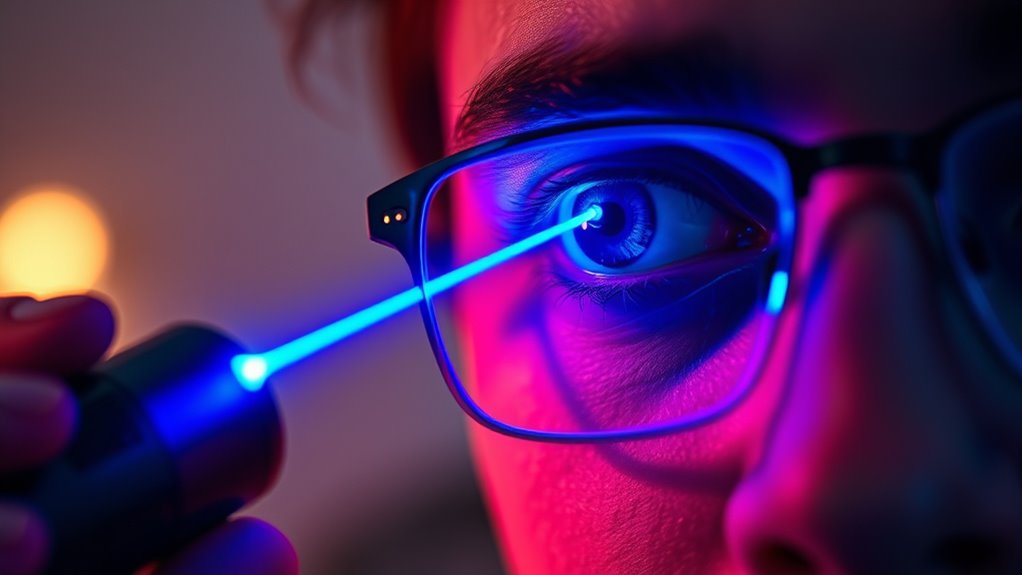
Using at-home lasers and LED devices can be convenient for skincare and other treatments, but they also pose potential risks to your eyes if not used properly. While these devices are designed to be user-friendly, they emit intense light that can damage your eyes if safety measures aren’t followed. That’s why understanding laser safety and LED precautions is essential to protect your vision during these treatments.
At-home laser and LED devices can harm your eyes if safety precautions are ignored.
When using lasers at home, it’s critical to recognize that these devices produce focused beams of light capable of penetrating the skin and, if directed improperly, reaching your eyes. Laser safety involves more than just following instructions; it requires understanding the risks associated with prolonged or improper exposure. Always read the manufacturer’s guidelines thoroughly and adhere strictly to recommended usage. Avoid looking directly into the laser beam, even if the device has safety features, and never point it toward your eyes or someone else’s. Using protective eyewear designed specifically for the wavelength emitted by your laser device adds an extra layer of protection.
LED devices, while generally considered safer than lasers, still pose risks if used improperly. LED precautions involve maintaining appropriate distance, duration, and intensity to prevent accidental eye exposure. Never stare directly into an LED light, especially at close range, and ensure your eyes are protected if the device recommends it. Some LED skincare devices emit intense light that can cause eye discomfort or damage if viewed directly. Wearing goggles or eye shields designed for LED light exposure can considerably reduce this risk.
Furthermore, consider the environment in which you use these devices. Use them in a well-lit, clutter-free space where you can easily control the device’s direction and avoid accidental exposure. Keep the device away from children and pets, who might accidentally come into contact with the light source. Regularly inspect your devices for any damage or malfunction, as cracks or broken parts could alter the light’s intensity and increase the risk to your eyes. Additionally, proper device maintenance is crucial to ensure safety and prevent unexpected light leaks.
Finally, if you experience any discomfort, pain, or visual disturbances during or after use, stop immediately and consult an eye care professional. Remember, even with at-home devices, your eyes are vulnerable, and taking laser safety and LED precautions seriously helps ensure you enjoy the benefits of these treatments without risking your sight. Proper use and protective measures are essential for safe, effective skincare routines at home.
laser safety goggles for home use
As an affiliate, we earn on qualifying purchases.
As an affiliate, we earn on qualifying purchases.
Frequently Asked Questions
Are There Specific Eye Protection Standards for At-Home Laser Devices?
Yes, there are specific laser safety standards and eye protection regulations for at-home laser devices. You should always verify if the product conforms to these standards, like ANSI Z136.1, to ensure safety. Wearing proper eye protection designed for the device’s wavelength helps prevent eye injuries. Always follow manufacturer instructions and local regulations to stay protected while using at-home lasers or LEDs.
Can Using Sunglasses Alone Protect My Eyes During LED Treatments?
Sunglasses alone aren’t enough to protect your eyes during LED treatments, as their effectiveness varies and may not block all harmful wavelengths. Relying on DIY eye protection can leave you exposed to risks like eye damage. To stay safe, always use proper, certified eye protection designed for LED therapy. Don’t risk your vision—invest in appropriate safety gear instead of just sunglasses for effective eye safety during treatments.
How Often Should I Replace or Upgrade My Laser Safety Goggles?
You should replace or upgrade your laser safety goggles based on goggles maintenance and safety compliance standards. Regularly inspect for scratches, cracks, or damage, and replace them immediately if you find any issues. Manufacturers recommend updating your goggles every 6 to 12 months, depending on usage. Staying current guarantees maximum protection and compliance with safety regulations, so prioritize regular checks and timely upgrades to keep your eyes safe during laser treatments.
Are Children at Risk When Using Home Laser or LED Devices?
Are children at risk when using home laser or LED devices? Absolutely. Child safety is paramount, and these devices can cause eye damage if misused. Kids often lack the understanding of proper safety measures, increasing the risk of accidental exposure. Always supervise children during use, keep devices out of reach, and make sure they understand the dangers. Proper precautions prevent device misuse and protect their precious eyesight.
What Are the Signs of Eye Damage From Laser or LED Exposure?
If you’ve experienced eye strain or blurred vision after using laser or LED devices, it could indicate eye damage. You might notice increased sensitivity to light, discomfort, or visual disturbances like dark spots or halos around lights. These symptoms suggest your eyes have been affected, and you should see an eye care professional promptly. Protect your eyes by avoiding further exposure until a specialist evaluates your vision health.
LED light therapy eye protection
As an affiliate, we earn on qualifying purchases.
As an affiliate, we earn on qualifying purchases.
Conclusion
You might be surprised to learn that exposure to laser and LED light can cause eye damage in just seconds. Over 10,000 people visit emergency rooms yearly due to laser-related eye injuries. So, even at home, it’s crucial to wear proper eye protection whenever you use these devices. Don’t risk permanent damage—protect your vision now. A simple pair of safety glasses can make all the difference in keeping your eyes safe while enjoying your laser or LED projects.
wavelength-specific laser goggles
As an affiliate, we earn on qualifying purchases.
As an affiliate, we earn on qualifying purchases.
at-home laser treatment eye shields
As an affiliate, we earn on qualifying purchases.
As an affiliate, we earn on qualifying purchases.
Fall Picks
fall essentials
As an affiliate, we earn on qualifying purchases.