LED light therapy can help calm redness and reduce inflammation caused by rosacea. It’s a gentle, non-invasive treatment that targets skin issues over time, offering a soothing alternative to medication or more invasive procedures. Many people find it effective for improving their skin’s appearance without significant side effects. If you’re curious about how it works and whether it’s right for you, there’s more to learn about its benefits and considerations.
Key Takeaways
- LED light therapy can reduce skin inflammation and redness associated with rosacea over multiple sessions.
- It offers a gentle, non-invasive option that may improve skin appearance without significant side effects.
- Consistent treatments can help calm redness, especially when combined with other rosacea management strategies.
- Individual responses vary; consulting a dermatologist ensures the therapy is suitable and effective for your skin type.
- While generally safe, some may experience temporary redness or tingling post-treatment.

If you’re struggling with rosacea, you might find relief through LED light therapy, a non-invasive treatment that targets skin inflammation and redness. Many people turn to this option because it offers a gentle approach compared to topical medications or more invasive procedures. However, it’s important to understand that LED therapy isn’t the only way to manage rosacea symptoms. There are alternatives to LED therapy, such as topical treatments like metronidazole or azelaic acid, laser and pulsed light therapies, and lifestyle modifications like avoiding triggers and using gentle skincare. Each of these options may work differently depending on your skin’s response and severity of symptoms.
While LED light therapy has gained popularity for its ability to reduce inflammation, it’s also essential to consider the potential side effects. Some individuals experience temporary redness, dryness, or tingling after treatment. Rarely, more serious side effects like skin irritation or sensitivity can occur. It’s crucial to consult with a dermatologist before starting LED therapy so you can weigh the benefits against possible risks based on your skin type and medical history. Understanding potential side effects helps you make an informed decision and set realistic expectations for treatment outcomes.
If you choose to explore alternatives to LED therapy, you might find relief through prescribed topical medications, which can decrease inflammation and calm your skin. Laser treatments, like vascular or pulsed dye laser, target visible blood vessels and can considerably reduce redness. However, these procedures might involve discomfort, swelling, or temporary hyperpigmentation. Lifestyle changes are also essential; avoiding known rosacea triggers such as spicy foods, alcohol, extreme temperatures, and stress can prevent flare-ups. Using gentle skincare products formulated for sensitive skin can further minimize irritation.
It’s worth noting that each treatment option has its own set of potential side effects. Topical medications may cause dryness or irritation, while laser treatments could lead to temporary swelling or pigmentation changes. Even lifestyle modifications, although generally safe, require consistency and patience to see improvements. Before committing to any treatment, talking to a dermatologist can help you determine the safest and most effective approach for your specific condition. They can also advise you on how to minimize side effects and monitor your skin’s response over time.
Additionally, some emerging sauna and heat therapy techniques are being explored for their potential to improve skin health, though more research is needed to confirm their efficacy for rosacea. Ultimately, whether you opt for LED light therapy or other alternatives, managing rosacea involves a combination of treatments and lifestyle adjustments. Knowing the potential side effects and available options empowers you to make decisions that best suit your skin’s needs and help you achieve calmer, less inflamed skin.
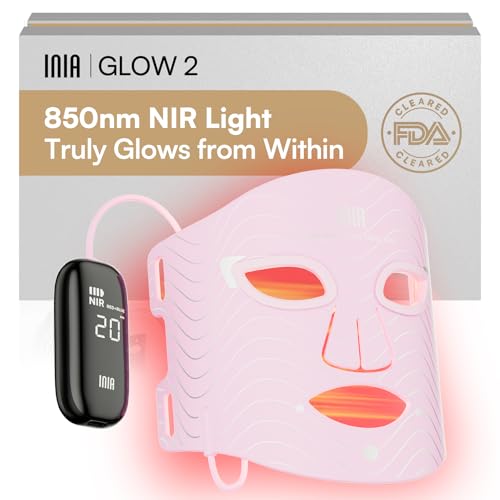
INIA Red Light Therapy Mask for Face, 850nm NIR, Red/Blue LED Light 4 Modes
- Dual-Wavelength for Deep Skin Support: 630nm red and 850nm near-infrared light
- 4 Customizable Light Modes: Red-L, Red-H, Blue, Red+Blue with NIR option
- High-Intensity LED Chips: 220 LEDs delivering up to 105mW/cm²
As an affiliate, we earn on qualifying purchases.
As an affiliate, we earn on qualifying purchases.
Frequently Asked Questions
How Long Does Each LED Therapy Session Typically Last?
Each LED therapy session usually lasts about 15 to 30 minutes, depending on your skin’s needs. You should aim for a consistent treatment schedule, typically 2 to 3 sessions per week, as part of your overall treatment plan. The session duration is designed to maximize benefits without causing discomfort, and regular treatment frequency helps to reduce redness and improve skin tone over time.
Are There Any Side Effects Associated With LED Light Therapy?
LED light therapy is generally safe, but you should be aware of potential side effects. Some people experience temporary redness, swelling, or a mild tingling sensation—like a gentle buzz on your skin. Risks are minimal when safety considerations are observed. To stay on the safe side, consult a professional and confirm the device is FDA-approved. While rare, serious side effects are uncommon, making this therapy a gentle option for calming redness.
Can LED Therapy Be Combined With Other Rosacea Treatments?
Yes, you can combine LED light therapy with other rosacea treatments. To do so effectively, follow proper therapy scheduling, ensuring treatments don’t overlap or cause irritation. Combining therapies, like topical medications or laser treatments, can enhance results. Always consult your dermatologist to develop a personalized plan, so you maximize benefits while minimizing side effects. Proper coordination helps you achieve calmer, clearer skin more efficiently.
How Many Sessions Are Usually Needed to See Results?
You might see noticeable results after just 3 to 6 LED therapy sessions, but it varies depending on your skin and rosacea severity. Consistent treatment frequency and your commitment are vital, as some patients notice improvements sooner, while others need more sessions. To maximize benefits, stay dedicated to your treatment plan, and remember, patience is key—redness can fade like a sunset with regular care.
Is LED Light Therapy Suitable for All Skin Types?
LED light therapy is generally suitable for most skin types, but if you have skin sensitivity, you should consult with a dermatologist first. They can customize the treatment to minimize irritation and make sure it’s safe for your skin. This personalized approach helps manage rosacea effectively without causing discomfort. Always communicate your skin concerns so your provider can tailor the session to your specific needs.
INIA Red Light Therapy Mask for Face, 850nm NIR, Red/Blue LED Light 4 Modes
- Dual-Wavelength for Deep Skin Support: 630nm red and 850nm near-infrared light
- 4 Customizable Light Modes: Red-L, Red-H, Blue, Red+Blue with NIR option
- High-Intensity LED Chips: 220 LEDs delivering up to 105mW/cm²
As an affiliate, we earn on qualifying purchases.
As an affiliate, we earn on qualifying purchases.
Conclusion
Think of LED light therapy as a gentle dawn breaking through the night of your rosacea. Each session can be a beacon, guiding your skin toward calm and clarity. While it may not erase every shadow of redness, it offers a promise—a new day where your skin feels soothed and resilient. Embrace this light as a symbol of hope, illuminating your path to comfort and confidence with every glowing moment.

INIA 3-in-1 Red Light Therapy Beauty Device for Face & Neck Skincare
- 3-in-1 Skincare Modes: Lifting, firming, deep absorption
- Adjustable Intensity: Personalized treatment settings
- LIFT Mode: Facial stimulation and contouring
As an affiliate, we earn on qualifying purchases.
As an affiliate, we earn on qualifying purchases.

Red-Light-Therapy-for-Face, 7 Color Light Therapy LED Face Mask SPA Equipment
- Wide Light Source Coverage: 180° light source with 287 LED beads
- Full-Body Skin Care: Treats face, neck, hands, and body
- Salon-Quality Results: Professional-level skin treatment at home
As an affiliate, we earn on qualifying purchases.
As an affiliate, we earn on qualifying purchases.