
TL;DR
Listen free for 30 days with Audible
Thousands of audiobooks and originals — cancel anytime.
Start your free trialAs an affiliate, we earn on qualifying purchases.
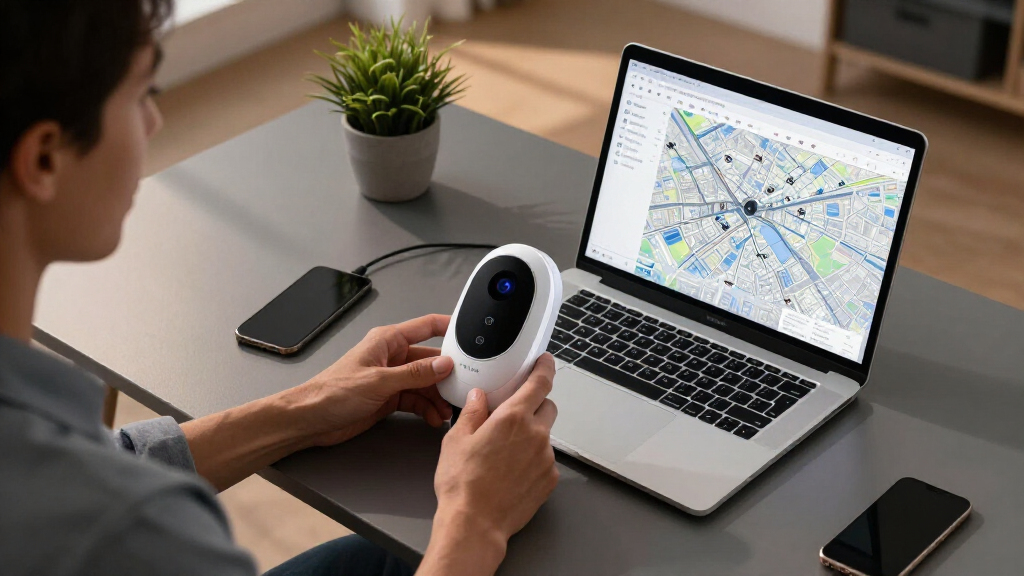
London Underground has initiated a pilot program to scan passengers’ faces using facial recognition technology. The move aims to enhance security but has sparked privacy debates. The program is currently in testing, with details still emerging.
London Underground has begun implementing facial recognition technology to scan passengers as part of a new security pilot, confirmed Transport for London (TfL). The initiative aims to improve safety and security on the transit network, but it has also prompted privacy concerns among passengers and civil rights groups.
According to TfL, the face scanning system is currently in a trial phase at select stations and is not yet a permanent feature across the entire network. The technology captures and analyzes facial features to identify individuals, with the data stored temporarily and used solely for security purposes during the pilot. TfL officials stated that the system is compliant with existing data protection laws and that no passenger data is being shared with third parties. The pilot was launched in response to rising security concerns and aims to evaluate the effectiveness of facial recognition in preventing crime and enhancing passenger safety. The program has been met with mixed reactions, with some commuters expressing support for increased security, while privacy advocates criticize potential misuse and data security risks.Implications of Facial Recognition on Passenger Privacy
This development marks a significant shift in how security measures are implemented in public transportation. If expanded, facial recognition could streamline security checks and potentially reduce crime, but it also raises questions about privacy rights, data security, and government surveillance. Civil liberties groups argue that such technology could lead to mass monitoring and erosion of anonymity in public spaces, prompting ongoing debates about the balance between safety and privacy.

eufy Security SoloCam E42, 4K Solar Security Camera, AI Facial Recognition
- Ultra HD 4K Resolution: Captures detailed footage around your home
- License Plate Recognition: Recognizes license plates up to 33 ft away
- AI Motion Detection: Detects and tracks people and vehicles
As an affiliate, we earn on qualifying purchases.
As an affiliate, we earn on qualifying purchases.
Background of Facial Recognition in Public Transit
Facial recognition technology has been increasingly adopted in various sectors, including airports and law enforcement, over the past few years. The UK government and several private companies have tested or implemented similar systems for security and identification purposes. In 2020, TfL announced plans to explore facial recognition as part of broader security upgrades, but the initiative was delayed due to legal and privacy concerns. The current pilot represents the first substantial deployment of such technology on London Underground, although it remains confined to select stations and limited hours. Critics have previously raised concerns about potential misuse and the lack of clear oversight in similar programs elsewhere, fueling ongoing privacy debates.
“The facial recognition system is a temporary pilot designed to assess its effectiveness in enhancing security and passenger safety.”
— Transport for London spokesperson
NoCry Safety Face Shield Mask for Work with Premium Anti Fog and Anti Scratch Technology — Durable ANSI Z87.1 Certified Grinding Face Shield with Extreme Impact Resistance
- Complete Protection: Anti-fog, scratch-resistant, impact-resistant shield
- Anti Fog Ventilation: Angled vents prevent fog buildup
- Fits Over Glasses: Accommodates prescription glasses
As an affiliate, we earn on qualifying purchases.
As an affiliate, we earn on qualifying purchases.
Unresolved Questions About Data Use and Oversight
It is not yet clear how long the pilot will run, whether the technology will be expanded across the entire network, or how passenger data will be stored and protected beyond the current trial. Details about oversight, legal safeguards, and potential data sharing with third parties remain undisclosed, fueling ongoing privacy debates. The full scope and future plans of TfL regarding facial recognition are still evolving.
biometric facial recognition device
As an affiliate, we earn on qualifying purchases.
As an affiliate, we earn on qualifying purchases.
Next Steps for Facial Recognition Deployment in London
TfL plans to evaluate the pilot’s effectiveness over the coming months, including analyzing data on security improvements and passenger feedback. Depending on the results, the agency may decide to expand or modify the program, with public consultations and legal reviews likely to influence future deployment. Civil rights groups are expected to continue monitoring the situation and advocating for stronger privacy protections.
As an affiliate, we earn on qualifying purchases.
Key Questions
Is facial recognition technology currently used throughout the London Underground?
No, the technology is in a pilot phase at selected stations and is not yet a permanent feature across the entire network.
What data is collected during the facial recognition scans?
According to TfL, the system captures facial features for identification purposes during the pilot and stores data temporarily, with no sharing with third parties. Details about long-term data storage are not publicly disclosed.
Are passengers required to participate in the facial recognition scans?
Participation appears to be voluntary during the pilot, but specific policies have not been fully detailed by TfL.
What are the privacy concerns associated with this technology?
Civil rights advocates warn that facial recognition could lead to mass surveillance, loss of anonymity, and potential misuse of personal data, especially without clear oversight and consent.
Will the facial recognition system be expanded in the future?
It depends on the pilot’s outcomes and public response. TfL has not committed to a timeline but may consider broader deployment based on effectiveness and privacy safeguards.
Source: hn
Baby shower & registry season Picks
baby registry must-haves
As an affiliate, we earn on qualifying purchases.