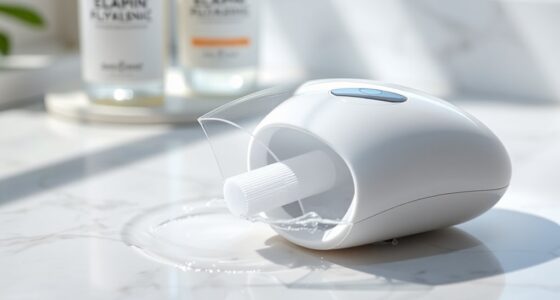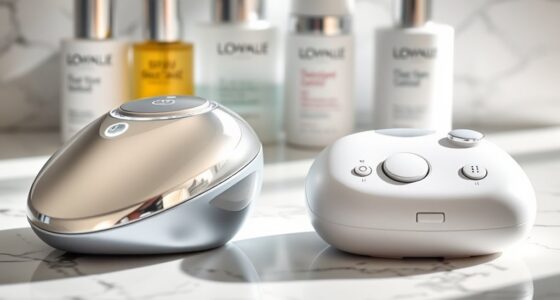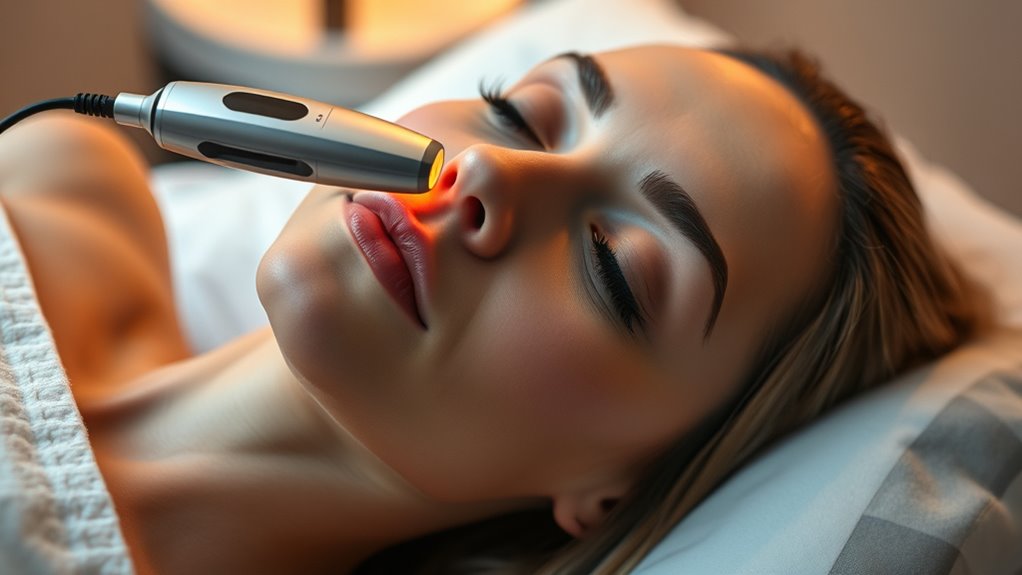

At-home radiofrequency skin tightening can improve skin firmness and texture when used correctly and consistently. These devices deliver controlled heat to stimulate collagen production, leading to gradual tightening effects. While they may not be as powerful as professional treatments, advances in safety features make them a viable option for regular use. Keep in mind, results vary based on skin condition and adherence. To discover how to maximize benefits and guarantee safety, explore further.
Key Takeaways
- At-home RF devices can stimulate collagen production, leading to gradual skin tightening with consistent use.
- Effectiveness depends on device quality, proper technique, skin condition, and adherence to safety guidelines.
- DIY treatments offer a more affordable and convenient alternative to professional procedures but may have limited results.
- Safety features and correct application are crucial to prevent skin damage or burns during at-home use.
- For noticeable and lasting effects, patience and regular treatments are essential, though results are generally subtler than professional options.
How Does Radiofrequency Skin Tightening Work?
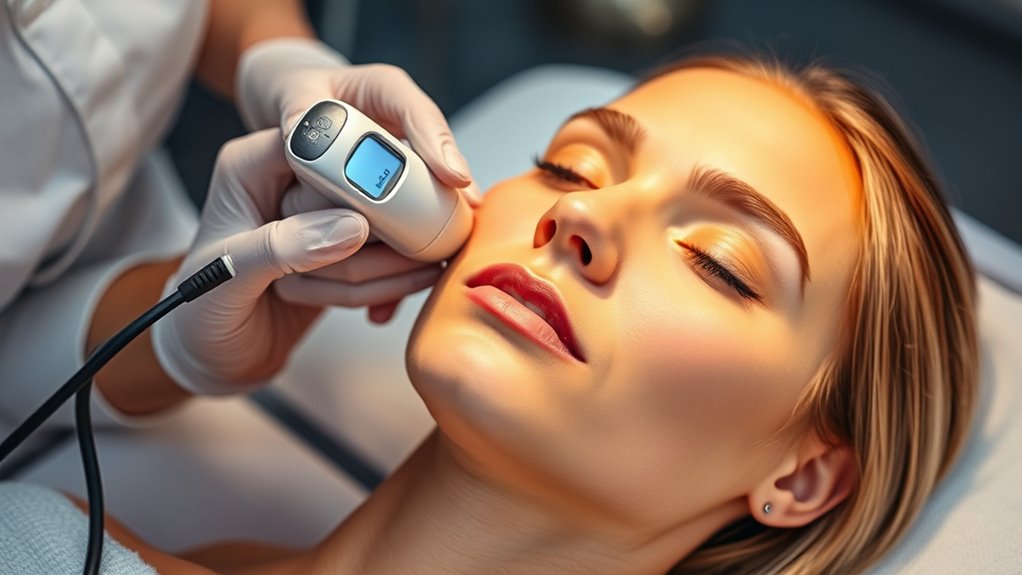
Radiofrequency skin tightening works by delivering controlled heat to the deeper layers of your skin, stimulating collagen production. As technology advances, devices become more precise and effective, allowing for safer treatments at home. These innovations guarantee that energy is targeted accurately, minimizing risks and maximizing results. Regulatory standards play a vital role in this process, setting safety guidelines that manufacturers must follow. This ensures that at-home devices meet rigorous safety and efficacy criteria before reaching consumers. When the heat penetrates the skin, it triggers your body’s natural collagen-building response, leading to firmer, more youthful skin over time. Advances in device technology have further enhanced treatment safety and efficacy, ensuring better outcomes for users. Continuous technological improvements are making these devices more accessible and reliable for personal use, supported by regulatory oversight that maintains quality standards.
Comparing Professional and At-Home Devices

While professional radiofrequency skin tightening treatments typically offer more powerful and targeted energy delivery, at-home devices have made significant advancements that allow for effective skin improvements outside clinical settings. At-home devices often prioritize user comfort, making treatments more accessible and less intimidating. Additionally, many devices incorporate safety features to minimize risks during use, enhancing user confidence. Modern skincare technology also emphasizes device customization, allowing users to tailor treatments to their specific skin needs. Furthermore, ongoing innovations in device durability ensure that at-home tools can withstand regular use over time. However, device durability varies; professional tools tend to last longer and handle frequent use better. When comparing, consider the following:
| Feature | Professional Devices | At-Home Devices |
|---|---|---|
| Energy Power | Higher, more targeted | Moderate, suitable for home |
| Device Durability | Long-lasting, robust | Varies, needs careful handling |
| User Comfort | Less concern, more intense | Designed for comfort |
| Cost | Higher, clinic-based | More affordable, personal |
Additionally, understanding self-sufficiency practices, such as using homemade or traditional methods, can enhance overall preparedness for health and wellness needs. Incorporating modern skincare technology can also complement at-home treatments for better results.
Key Features to Look for in At-Home Devices
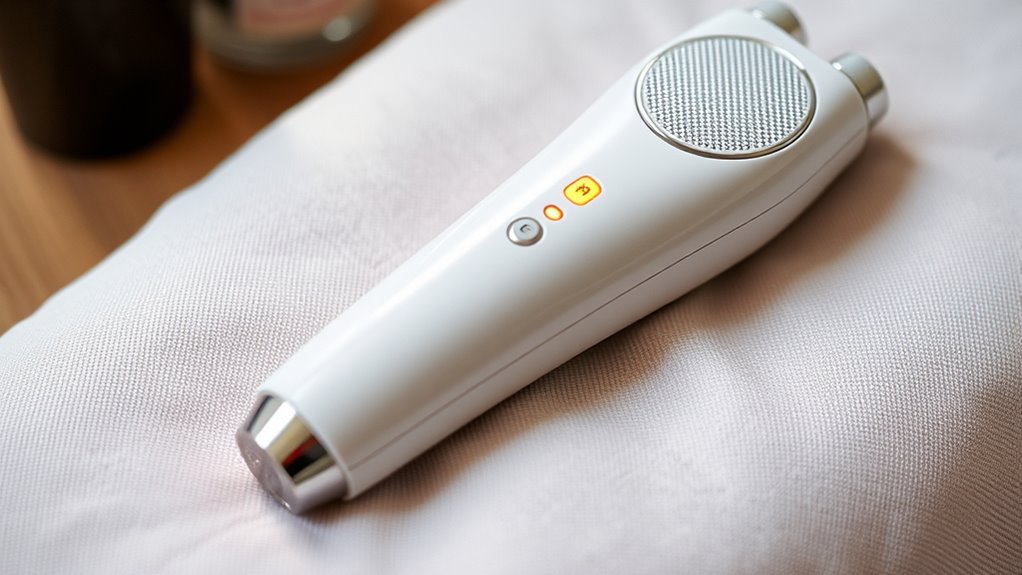
When selecting an at-home radiofrequency device, it’s essential to focus on key features that guarantee safety, effectiveness, and ease of use. First, check for device durability—a well-built device ensures long-term performance and safety. Second, prioritize user comfort, including ergonomic design and adjustable settings, to make treatments easier and more pleasant. Third, look for safety features like built-in sensors to prevent overheating or misuse. Fourth, consider device compatibility with your skin type and area of treatment. These features help you get the most out of your investment, providing a reliable, comfortable, and safe experience. Additionally, understanding device safety protocols can help prevent potential risks and ensure optimal results. Familiarizing yourself with device science can also improve your confidence in using these tools correctly. It is also beneficial to review the technology behind RF to better understand how these devices achieve skin tightening and safety. Moreover, assessing device efficacy can guide you in choosing a product that delivers proven results and lasting benefits. Taking the time to verify device certification ensures the product meets safety standards and provides peace of mind.
Effectiveness of DIY Radiofrequency Treatments
You might wonder if DIY radiofrequency treatments really deliver noticeable skin tightening results. While some users see improvements, others find the effects are subtle or temporary. It’s also important to contemplate safety and risks, especially when using devices at home without professional guidance. Proper technique and adherence to safety instructions can significantly influence the effectiveness and safety of these treatments. Additionally, understanding the science behind radiofrequency can help set realistic expectations and guide proper device usage. Being aware of home electrical safety guidelines ensures that your treatment setup minimizes potential hazards. Moreover, researching device certifications can help ensure that the equipment used is safe and reliable. Knowing about device features can also help you select more effective tools tailored to your needs.
Skin Tightening Results
DIY radiofrequency skin tightening treatments can produce noticeable improvements, but results vary greatly depending on individual skin conditions and consistency. You may see changes in skin firmness and texture over time, thanks to enhanced skin elasticity and collagen regeneration. To understand what to expect, consider these points:
- Visible tightening usually occurs after several weeks of regular use.
- Improvements depend on your skin’s starting condition and how consistently you apply treatments.
- Collagen production increases gradually, leading to firmer skin over time.
- Results are typically subtle but can be sustained with ongoing maintenance.
- Skin elasticity plays a crucial role in how well your skin responds to these treatments. Additionally, collagen regeneration is vital for long-term skin tightening effects.
- Factors like age, lifestyle, and overall skin health can influence treatment outcomes, making individual experiences quite diverse.
- Maintaining proper hydration and sun protection can also enhance the effectiveness of these treatments, supporting skin health.
Keep in mind, individual responses differ, and while some notice significant changes, others see only minor improvements. Patience and consistent use are essential for ideal skin tightening results.
Safety and Risks
While DIY radiofrequency skin tightening devices can be appealing, their safety and effectiveness are not guaranteed. Poor device calibration can lead to improper energy delivery, increasing the risk of burns or skin damage. Without professional oversight, you might struggle with maintaining consistent treatment parameters, which affects safety and results. User compliance is vital; skipping instructions or overusing devices can cause adverse effects. Many at-home devices lack built-in safety features found in professional equipment, making misuse more dangerous. Before trying these treatments, consider your skin’s sensitivity and follow manufacturer guidelines carefully. Remember, the lack of medical supervision means you’re responsible for safe use, and risks like burns, scars, or hyperpigmentation are real concerns if precautions aren’t taken seriously. Additionally, user safety protocols can influence the overall safety and outcome of DIY treatments.
Safety Considerations and Potential Risks
Although at-home radiofrequency skin tightening devices are generally safe when used correctly, it’s important to recognize the potential risks involved. Poor device calibration or inconsistent user compliance can lead to adverse effects. To minimize risks, consider these factors:
- Incorrect device calibration may cause uneven heating, risking burns or skin damage.
- Failing to follow manufacturer instructions can lead to overuse or improper application.
- Ignoring skin reactions or discomfort during treatment can worsen issues.
- Not adhering to recommended treatment schedules can reduce safety and effectiveness.
Always ensure your device is properly calibrated before use and follow guidelines carefully. Staying attentive during sessions helps prevent complications, making your at-home treatments safer and more effective.
User Experiences and Real Results

Many users report noticeable improvements in skin firmness and texture after consistent at-home radiofrequency treatments, demonstrating that real results are achievable with proper use. When you follow safety guidelines and choose reputable devices, you’re more likely to experience positive outcomes and feel confident in your treatment. Device safety is essential; using devices as directed helps prevent adverse effects and ensures comfort. User satisfaction often correlates with visible tightening, smoother skin, and increased confidence. While results vary based on individual skin conditions and adherence, many find at-home RF treatments effective for maintaining skin elasticity over time. Staying informed about device safety and consistent use can enhance your experience and lead to satisfying, noticeable improvements.
Cost Analysis: At-Home Devices vs. Clinic Treatments

When weighing your options, consider the initial costs of at-home devices versus the higher upfront expenses of clinic treatments. Over time, at-home options often save you money, but professional care can offer more precise results and guidance. Evaluating the long-term value helps you decide which approach fits your budget and needs best.
Upfront Investment Costs
Investing in at-home radiofrequency skin tightening devices typically requires a significant upfront expense, but these costs are generally lower than those of clinic treatments. When considering a cost comparison, keep in mind that your initial investment covers the device itself, which can range from $200 to $600. Here are some key points:
- Initial Purchase Price – A one-time expense for the device.
- Warranty Coverage – Many devices include warranties that protect against defects.
- Accessories and Replacement Parts – Some devices need additional attachments or replacement parts over time.
- Long-term Savings – Eliminates repeated clinic visits and associated costs.
Ultimately, your upfront costs depend on device quality and warranty coverage, making it essential to weigh these factors carefully.
Long-term Expenses Comparison
While at-home radiofrequency devices require a higher upfront investment, they tend to be more cost-effective over the long term compared to regular clinic treatments. With at-home devices, you mainly face maintenance costs, such as replacing parts or batteries, which are generally affordable. Because these devices are designed for repeated use, their device longevity plays a key role in your overall expenses. If a device lasts several years, your cost per session drops considerably, making it more economical over time. In contrast, clinic treatments often involve ongoing fees for each session, adding up quickly. By choosing an at-home device, you can spread out expenses and avoid the recurring costs associated with professional treatments, ultimately saving money in the long run.
Value of Professional Care
Professional clinic treatments often come with higher upfront costs, but they offer benefits that at-home devices may not provide. When considering skin care, the value of professional care lies in access to advanced device technology and expert guidance. Here’s what you get:
- Superior device technology with higher power and precision
- Customized treatment plans tailored to your skin’s needs
- Immediate results with professional oversight
- Reduced risk of improper use or side effects
While at-home devices are more budget-friendly, they may lack the intensity and sophistication of clinic treatments. Investing in professional care can lead to more effective skin tightening outcomes, making it a worthwhile option for those seeking ideal results and expert support.
Expert Opinions on At-Home Radiofrequency Devices
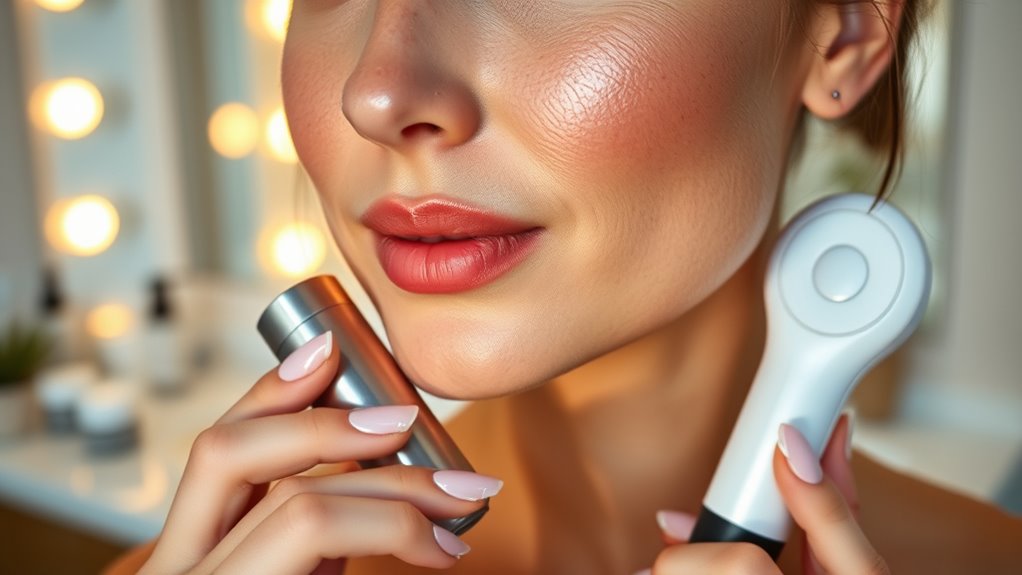
Experts generally agree that at-home radiofrequency devices can offer visible skin tightening benefits, but they also emphasize the importance of realistic expectations and proper usage. When evaluating these devices, many highlight device durability as a key factor—cheaper models may wear out quickly or deliver inconsistent results. Additionally, brand reputation plays a vital role; trusted brands often ensure better quality, safety, and effective results. You should research reviews and user feedback to gauge how well a device performs over time. While some at-home options can produce noticeable improvements, experts warn against expecting professional-level outcomes without professional treatment. Choosing a reputable brand with durable devices increases your chances of seeing satisfactory results and helps you avoid wasting money on low-quality products.
Final Thoughts: Is It a Worthwhile Investment?

Deciding whether at-home radiofrequency skin tightening is a worthwhile investment depends on your goals and expectations. If you’re seeking noticeable, long-lasting results, it might not meet your needs compared to professional treatments. However, if you’re interested in enhancing your skincare routines with DIY remedies and maintaining skin health, it could be beneficial. Consider these points:
- It’s affordable and convenient for regular use.
- Results are subtle and may require patience.
- Combining it with good skincare routines enhances overall skin appearance.
- It’s a low-risk option for those hesitant about professional procedures.
Ultimately, your decision hinges on your desired outcome and willingness to commit to consistent use. At-home devices can support your skincare journey but may not replace professional interventions for significant tightening.
Frequently Asked Questions
Can At-Home Radiofrequency Devices Replace Professional Skin Tightening Treatments?
At-home radiofrequency devices can’t fully replace professional skin tightening treatments because they often lack the clinical efficacy and safety standards of clinics. While these devices may improve skin firmness modestly, they don’t deliver the same powerful results, and improper use can pose safety risks. For ideal and safer results, consulting a licensed professional ensures you get treatments backed by clinical efficacy and adhere to strict safety standards.
How Long Does It Typically Take to See Noticeable Results From DIY RF Devices?
You’ll typically notice visible improvements after about 4 to 8 weeks of consistent use, but it varies based on your skin type and the device’s strength. The treatment timeline involves regular sessions, often 2-3 times a week, to achieve ideal results. Patience is key, as gradual tightening and smoothing happen over time, leading to a more youthful appearance with continued use.
Are There Specific Skin Types or Conditions That Should Avoid At-Home RF Treatments?
You should prevent at-home RF treatments if you have skin sensitivity or certain medical contraindications. People with active skin infections, open wounds, or conditions like eczema or psoriasis should skip these devices. If you have implanted devices like pacemakers or are pregnant, consult your doctor first. These precautions help prevent adverse reactions and ensure safe, effective use tailored to your skin type and health status.
What Maintenance Routines Are Recommended After Using At-Home Radiofrequency Devices?
You should follow a consistent skincare routine post-treatment, including gentle cleansers and hydrating moisturizers to support skin recovery. Regular device maintenance is vital—clean the device as instructed, check for any damage, and store it properly. Avoid excessive sun exposure and use sunscreen daily to protect your skin. These steps help maintain results, prevent irritation, and guarantee your at-home RF device stays effective and safe for continued use.
How Do At-Home RF Devices Compare in Longevity and Durability to Clinical-Grade Equipment?
At-home RF devices generally have a shorter device lifespan and less durable build quality compared to clinical-grade equipment. You might find that consumer devices wear out faster, requiring replacements sooner, because they’re built with lighter materials and less powerful components. While they’re more affordable and convenient, their longevity isn’t on par with professional devices, which are designed for continuous, rigorous use and feature higher-quality build standards.
Conclusion
If you think at-home radiofrequency skin tightening will turn back the clock overnight, think again. While it’s a tempting shortcut, don’t expect miracles without patience or realistic expectations. This device is your secret weapon for gradual, noticeable improvement—like turning a tiny snowball into an unstoppable avalanche of youthful radiance. So, if you’re ready to embrace the journey and believe in small, consistent wins, this could be your game-changer.