
TL;DR
Diraq says an eight-qubit silicon spin quantum computer is now operating inside Equinix’s Sydney data center. The company is targeting an upgrade to as many as 256 qubits in the same system within a year, but has not reported commercial workloads or demonstrated the system’s performance on practical tasks.
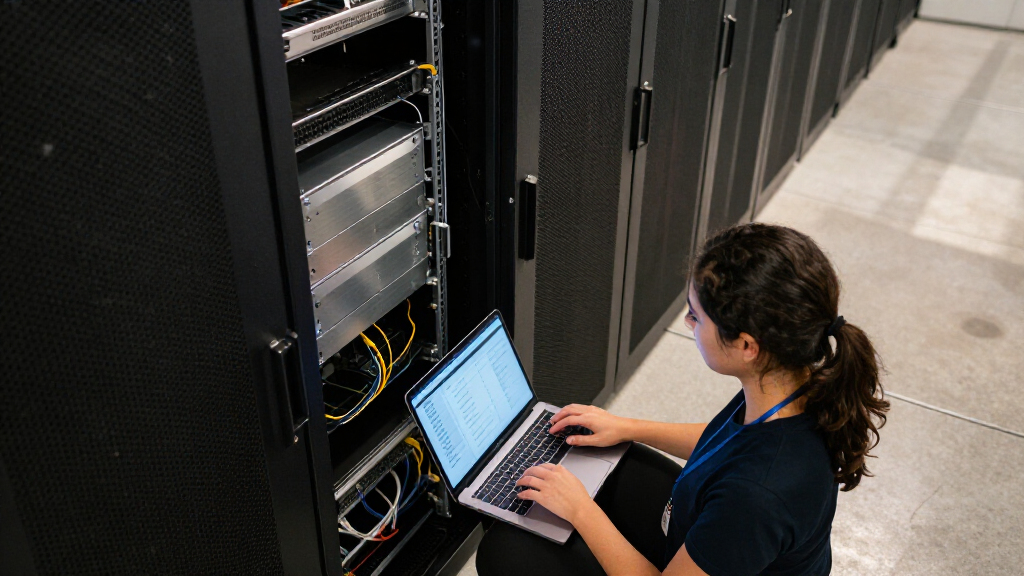
Diraq has installed an eight-qubit silicon spin quantum computer at Equinix’s commercial data center in Sydney, Australia, placing the system alongside infrastructure used by businesses. The company describes it as the first commercial data center deployment of a silicon spin quantum computer; the installation is a step toward operating quantum hardware in existing facilities, but does not by itself show that the system can deliver useful commercial computing results.

Get wellness gear delivered free with Prime
- Fast, free delivery on millions of items
- Prime Video, Amazon Music and more included
- Member-only deals all year
The system is operating at an Equinix data center in Sydney and currently contains eight qubits, the basic units of quantum information. Diraq says the machine draws less than 20 kilowatts and occupies about 170 square feet. Those figures describe the installed system, not a larger future version.
Diraq is targeting an upgrade to as many as 256 qubits within a year, using the same deployed system. The company says its silicon spin processors use semiconductor manufacturing processes also used for conventional chips, allowing it to upgrade the processor while making fewer changes to surrounding data center infrastructure. The upgrade is a target, not a completed milestone.
The installation accompanies the launch of Diraq’s Quantum at Work report, which discusses possible applications in medicine, energy, materials, climate and transport. The report includes company analysis suggesting that a 10-percentage-point improvement in clinical-trial success rates could save about US$600 million per medicine by identifying failed candidates earlier. This is a modeled potential benefit, not a saving achieved by the installed computer.
Quantum Hardware Enters Data Centers
The deployment tests whether quantum computers can be housed in commercial data center environments rather than only in dedicated research facilities. If systems can operate alongside conventional computing infrastructure, businesses may have a more practical route to access quantum hardware. The installation alone does not establish that customers are using it or that it can solve commercially valuable problems.
Size and energy use are part of Diraq’s case for adoption. The company says the current installation uses under 20 kW; it estimates a future utility-scale system could use about 300 kW and occupy as little as 50 square feet. Those are projections, not measurements of a deployed utility-scale machine, and the source does not provide a performance benchmark against other quantum systems.
The distinction matters because commercial value depends on more than fitting equipment into a data center. The hardware must scale reliably, run useful workloads and offer an advantage that justifies its cost. Diraq’s installation is evidence of a physical deployment, while its broader claims about future scale and applications remain to be tested.
Products Worth Considering

Philips Sonicare ProtectiveClean 5300 Rechargeable Electric Toothbrush with 3 Brush Heads, Black

Levoit Eleva 300X Air Purifier with Sealed HEPA Filtration

Garmin Venu 4 GPS Smartwatch, 45 mm, Slate with Black Silicone Band
As an affiliate, we earn on qualifying purchases.
Diraq’s Path From Lab to Facility
Diraq builds quantum computers using silicon spin qubits, which encode quantum information in the spin of electrons in silicon. The company argues that using established semiconductor manufacturing processes could support production at scale. That manufacturing approach is Diraq’s stated strategy; the announcement does not provide independent evidence of manufacturing yield or commercial-scale production.
The company has also reported progress in other programs. According to the announcement, Diraq advanced to Stage C of DARPA’s Quantum Benchmarking Initiative, which evaluates approaches to utility-scale quantum computing. It also says it signed a US$38 million letter of intent with the U.S. Department of Commerce under the CHIPS and Science Act. These developments provide funding and program context, but do not establish the performance of the Sydney installation.
Diraq’s report cites drug-development costs and approval rates to illustrate a possible application for future quantum computing. Its estimate of savings depends on a modeled improvement in clinical-trial success and should not be read as a result produced by this eight-qubit machine.
““We are now at a point where quantum computing can start to reach industries and the people they serve.””
— Andrew Dzurak, Diraq CEO and founder
Performance and Customer Use Remain Open
The announcement does not identify customers, live commercial workloads, or revenue associated with the Sydney installation. It also gives no benchmark results showing what problems the eight-qubit machine can solve, how accurately it operates, or how its performance compares with conventional computers or other quantum architectures.
Diraq’s planned expansion to as many as 256 qubits within a year is a company target. The source does not specify milestones, technical conditions, or an exact completion date. It is also unclear whether the projected power and floor-space figures for future utility-scale systems include all facility, cooling and control requirements on the same basis as the installed system.
The potential medicine-development savings in the report are based on a modeled increase in trial success rates. The announcement does not say that quantum computing has produced that improvement, or that the Sydney machine has been used in drug discovery.
The 256-Qubit Upgrade Target
The next stated milestone is Diraq’s effort to expand the deployed system to up to 256 qubits within a year. The company has not supplied a more specific schedule in the announcement. Progress toward that target, along with technical results and evidence of workloads, will help show whether the data center installation can advance beyond a deployment milestone.
Diraq’s Quantum at Work report sets out potential applications, but the company has not announced a commercial application or customer trial tied to the installed machine. Further information on system performance, operating requirements and how prospective users will access the hardware would clarify the path from installation to practical use.
Key Questions
Where is Diraq’s quantum computer installed?
It is operating at Equinix’s data center in Sydney, Australia, according to Diraq.
How many qubits does the system have?
The installed system currently has eight qubits. Diraq is targeting an upgrade to as many as 256 qubits within a year; that expansion has not yet been reported as complete.
What does the installation prove?
It shows that Diraq has installed its silicon spin quantum computer inside a commercial data center. The announcement does not provide evidence that the system is already delivering a commercial advantage or running customer workloads.
Will the computer reduce medicine-development costs?
Diraq’s report models potential savings of about US$600 million per medicine if clinical-trial success rates improve by 10 percentage points. That is a modeled scenario, not a result achieved by the installed computer.
Source: thequantuminsider.com