
TL;DR

Get wellness gear delivered free with Prime
- Fast, free delivery on millions of items
- Prime Video, Amazon Music and more included
- Member-only deals all year
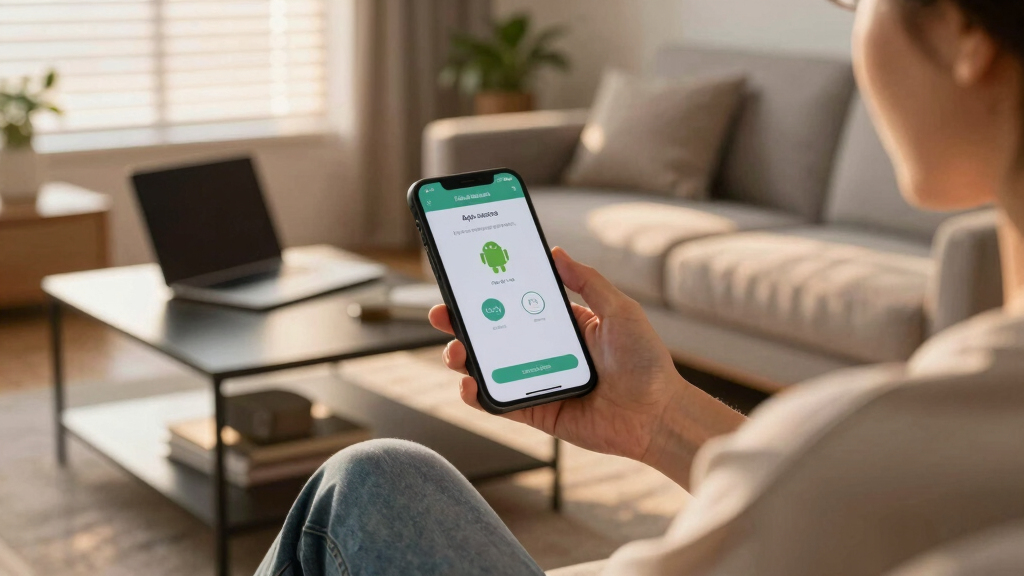
A new European age verification app now requires users to access exclusively through Android or iOS devices. The move has raised concerns about accessibility and privacy, with details still developing. The app aims to regulate online content for minors.
European regulators have introduced a new age verification app that mandates users to access it exclusively through Android or iOS devices. This development is part of an effort to better control online content accessible to minors and enforce age restrictions across digital platforms. The move has immediate implications for users and technology providers, with concerns over privacy and accessibility emerging.
The European Commission announced the launch of a new digital age verification app aimed at curbing underage access to certain online content. The app, which is currently in the rollout phase, requires users to verify their age via a dedicated platform available only on Android and iOS operating systems. According to official sources, the app is designed to streamline age checks for online services and enforce existing regulations on age-restricted content.However, the app’s exclusive availability on these two platforms has raised concerns among privacy advocates and accessibility groups. Critics argue that forcing users to rely solely on Android or iOS devices could exclude individuals using alternative operating systems or those with limited device access. The European Digital Rights organization has called for more inclusive solutions and greater transparency about data handling practices associated with the app.
Authorities emphasize that the app will employ secure verification methods, including biometric checks and document validation, to prevent underage access. The European Commission states that the app aligns with ongoing efforts to protect minors online while respecting privacy laws, including GDPR.
Potential Impact on Privacy and Accessibility in Europe
This new age verification app represents a significant step in Europe’s efforts to regulate online content for minors, aiming to prevent underage access to age-restricted material. However, its requirement to use only Android or iOS devices raises questions about digital inclusivity and privacy concerns. Critics warn that limiting access to these platforms could marginalize users with alternative devices, potentially creating barriers to lawful content access and privacy protections. The move underscores ongoing debates over how best to balance regulatory enforcement with individual rights.
Android biometric age verification app
As an affiliate, we earn on qualifying purchases.
As an affiliate, we earn on qualifying purchases.
European Digital Regulations and Previous Age Verification Efforts
Europe has been active in regulating online content and protecting minors through various initiatives, including the Digital Services Act and age verification laws implemented in several countries. Past efforts have involved third-party verification systems and browser-based solutions, but none have mandated device-specific apps as a primary method. The current rollout of this app marks a shift towards centralized digital age verification, with the European Commission emphasizing its potential to streamline enforcement. The development follows increased pressure from advocacy groups and policymakers seeking more effective tools to prevent minors from accessing harmful content online.
“The exclusive reliance on Android and iOS devices for age verification could exclude vulnerable populations and raises significant privacy concerns.”
— European Digital Rights (EDRi) spokesperson
iOS document validation for age verification
As an affiliate, we earn on qualifying purchases.
As an affiliate, we earn on qualifying purchases.
Unclear Aspects of Implementation and User Access
It is still unclear how the app will accommodate users without access to Android or iOS devices, or those who prefer alternative platforms. Details about the rollout schedule, user privacy safeguards, and potential exemptions remain under discussion. Additionally, the extent of data collection and storage involved in the verification process has not been fully disclosed, raising ongoing privacy concerns. The European authorities have not yet provided comprehensive guidelines on these issues, and independent evaluations are pending.
privacy-focused age verification app
As an affiliate, we earn on qualifying purchases.
As an affiliate, we earn on qualifying purchases.
Next Steps in Deployment and Policy Clarification
The European Commission plans to expand the app’s availability and clarify privacy protections in the coming months. Stakeholder consultations are expected to address accessibility concerns and refine data security protocols. Officials also anticipate that legal frameworks will be adjusted to ensure broader inclusion and address potential legal challenges. The app’s effectiveness and user acceptance will be closely monitored during the initial rollout phase, with updates expected as more data becomes available.
alternative device age verification solutions
As an affiliate, we earn on qualifying purchases.
As an affiliate, we earn on qualifying purchases.
Key Questions
Why does the app only work on Android and iOS devices?
The European authorities have stated that they chose these platforms for their widespread use and security features, aiming to ensure a robust verification process. However, critics argue that this choice limits accessibility for users on other operating systems or older devices.
Could this app exclude certain users from verification?
Yes, users without access to Android or iOS devices, or those with incompatible hardware, may face barriers. The authorities have not yet confirmed alternative verification methods for such users.
What privacy protections are in place with this app?
The European Commission states that the app uses secure biometric and document verification methods, complying with GDPR. However, details about data storage, sharing, and user rights are still being clarified.
Will the app be mandatory for all online services?
The app is intended to be a tool for age verification across various online platforms, but specific mandatory usage policies are still under development. Enforcement details are expected in upcoming regulations.
When will the app be fully available to all users?
The European rollout is ongoing, with full availability expected within the next few months. Officials have not provided a definitive date, citing phased implementation and testing periods.
Source: hn
Cold & flu season Picks
humidifiers
As an affiliate, we earn on qualifying purchases.