
TL;DR
Open a free Amazon Business account
Business pricing, bulk buying and tax-exempt orders.
Create a free accountAs an affiliate, we earn on qualifying purchases.
Valve is slowly extending SteamOS support to non-Valve hardware, marking a strategic move to broaden the operating system’s reach. This development could impact gamers and hardware manufacturers.
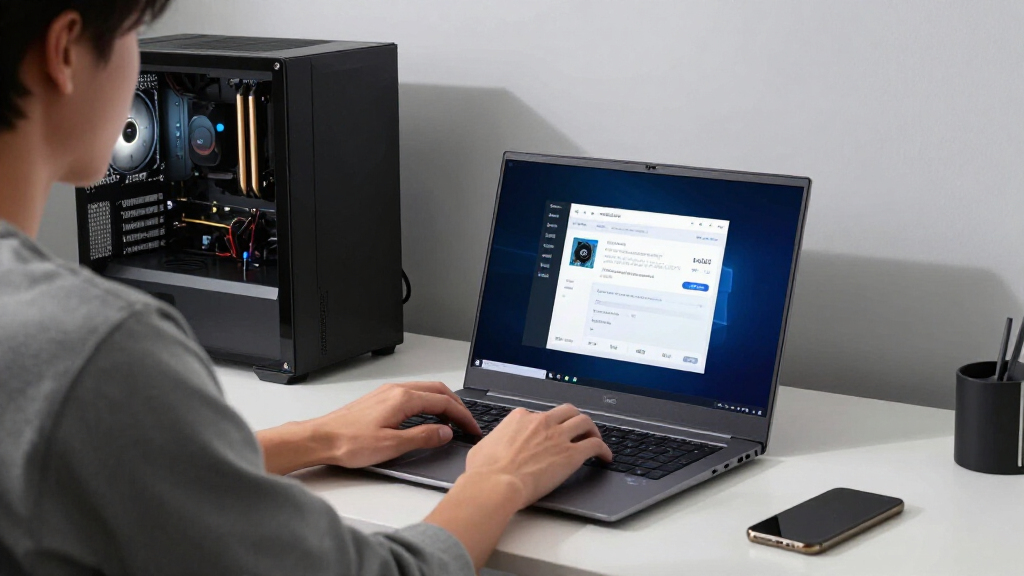
Valve has begun gradually increasing support for its SteamOS operating system on hardware not manufactured by Valve, signaling a strategic shift to broaden its ecosystem beyond its own devices.
According to recent reports, Valve has started enabling SteamOS support on a wider range of third-party hardware, including certain custom-built gaming PCs and pre-built systems from select manufacturers. While SteamOS was originally optimized for Valve’s Steam Deck and a limited set of partner devices, this expansion indicates a deliberate effort to make the operating system more accessible to a broader audience. Valve has not officially announced a formal program or partnership but appears to be testing compatibility layers and driver support on various hardware configurations. Industry analysts suggest this move aims to increase SteamOS adoption in the gaming PC market, offering an alternative to Windows-based systems. The company has not disclosed specific timelines or the full scope of supported devices, and it remains unclear how extensive this support will become or when it will be officially rolled out to consumers.Implications for Gaming Hardware Ecosystems
This gradual expansion could significantly influence the gaming hardware market by providing an open-source, Linux-based alternative to Windows, potentially appealing to users seeking more control over their systems. For hardware manufacturers, supporting SteamOS might open new revenue streams and compatibility options. For gamers, broader SteamOS support could mean access to a more streamlined, potentially more secure operating system optimized for gaming, especially as Valve continues to develop the Steam Deck’s ecosystem. However, the success of this initiative depends on the level of support and performance on non-Valve hardware, which is still under evaluation.
As an affiliate, we earn on qualifying purchases.
Background of SteamOS and Valve’s Hardware Strategy
SteamOS was initially developed by Valve in 2013 as a Linux-based operating system designed to run Steam games natively. It gained prominence with the launch of the Steam Machine initiative and the Steam Deck handheld console, both of which aimed to create a Linux-based gaming ecosystem. Despite initial enthusiasm, SteamOS adoption remained limited largely due to compatibility issues and the dominance of Windows in gaming. Over time, Valve shifted focus towards hardware like the Steam Deck, which runs SteamOS but is tightly integrated with Valve’s hardware. The recent move to support third-party hardware signals a potential shift in strategy, possibly aiming to make SteamOS a more versatile platform beyond Valve’s own devices.
“We are exploring ways to expand SteamOS support on a wider range of hardware to better serve our community.”
— Valve spokesperson
As an affiliate, we earn on qualifying purchases.
Extent and Timeline of SteamOS Support Expansion
It is not yet clear how many third-party devices will officially support SteamOS or when this support will be fully available to consumers. Valve has not provided detailed timelines, and the level of compatibility and performance on various hardware configurations remains unconfirmed. Additionally, it is uncertain whether this initiative will lead to a formal program or remain a limited testing phase.
As an affiliate, we earn on qualifying purchases.
Upcoming Developments and Expected Announcements
Valve is expected to continue testing SteamOS support on diverse hardware platforms in the coming months. Watch for official announcements regarding supported devices, compatibility updates, and potential partnerships. Further, developers and hardware manufacturers may begin releasing more detailed guidance and driver support for SteamOS on third-party systems, which could accelerate broader adoption.
As an affiliate, we earn on qualifying purchases.
Key Questions
Why is Valve expanding SteamOS support now?
Valve appears to be aiming to broaden its ecosystem and reduce reliance on Windows, offering a Linux-based alternative that could appeal to a wider audience and hardware partners.
Will existing SteamOS devices receive updates to support third-party hardware?
It is currently unclear if existing SteamOS devices will receive such updates or if support will be limited to new hardware configurations.
Could this move impact the gaming experience on non-Valve hardware?
Potentially, if support is robust, it could provide a more streamlined, Linux-optimized gaming experience, though performance and compatibility are still under evaluation.
Is this part of a broader strategy to compete with Windows?
While Valve has not explicitly stated this, expanding SteamOS support aligns with efforts to promote a Linux-based ecosystem, which could challenge Windows dominance in gaming.
When can consumers expect to see official SteamOS support on third-party hardware?
There are no specific dates yet; further testing and development are ongoing, with official support likely announced in the coming months.
Source: rss
College move-in / dorm season Picks
dorm essentials
As an affiliate, we earn on qualifying purchases.