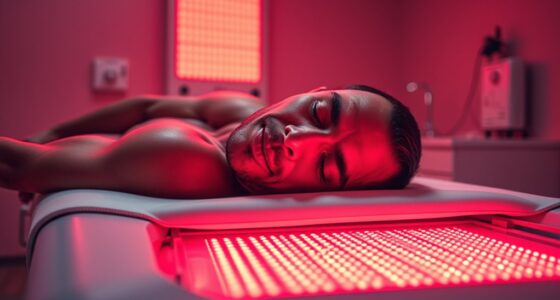
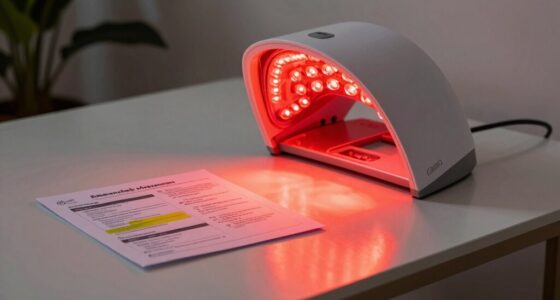
Chromotherapy uses colored lights to influence your mood and health, a practice with roots in ancient cultures like Egypt and China. While some claim specific colors can energize or relax you, scientific evidence supporting these effects remains limited. The impact mainly aligns with beliefs and placebo rather than proven biological changes. If you’re curious about how different colors might affect you and what science really says, there’s more to explore.
Listen free for 30 days with Audible
Thousands of audiobooks and originals — cancel anytime.
As an affiliate, we earn on qualifying purchases.
Key Takeaways
- Different colored lights are believed to influence mood, but scientific evidence supporting significant health effects is limited.
- Exposure to certain wavelengths can impact circadian rhythms and hormone production, such as melatonin.
- Chromotherapy is generally considered a relaxing, non-invasive practice used alongside evidence-based treatments.
- Clinical studies have not conclusively proven that specific colors directly improve health or emotional well-being.
- The effects of colored light are often attributed to psychological perception rather than measurable physiological changes.
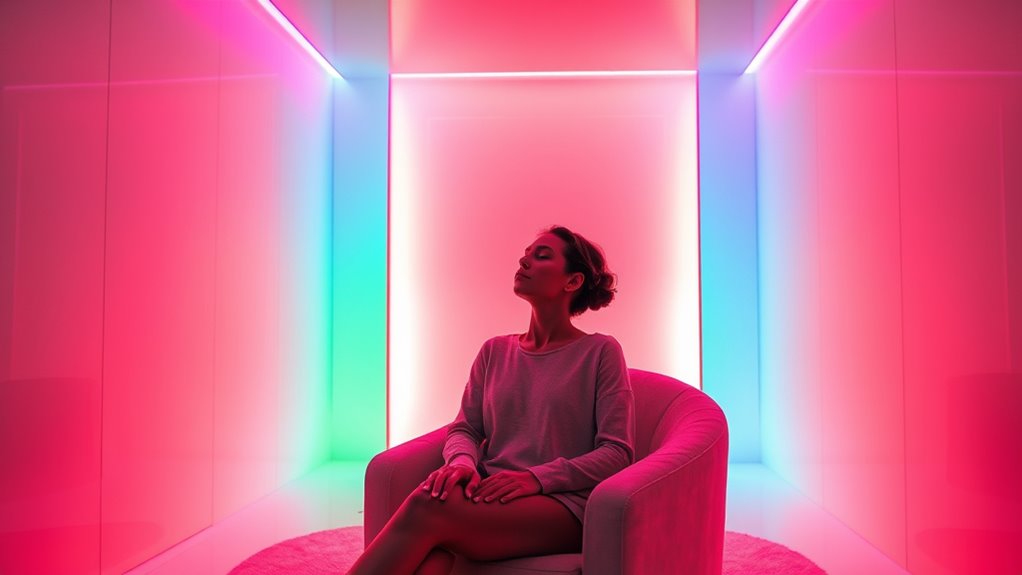
Many people turn to chromotherapy, or color therapy, believing that different colored lights can influence their mood and health. This practice traces back centuries, rooted in the belief that specific colors can balance the body’s energy and promote healing. Historically, chromotherapy’s origins can be linked to ancient civilizations like Egypt and China, where color was used in healing rituals and spiritual practices. The Egyptians, for example, utilized colored light through stained glass windows and lamps, believing that each hue emitted unique healing properties. Similarly, traditional Chinese medicine incorporated color principles in acupuncture and herbal treatments, emphasizing the harmony between body and environment. Over time, these ideas expanded into Western practices, especially during the 19th and early 20th centuries, with pioneers like Auguste Lumière and others exploring the therapeutic potential of light and color. Despite its long-standing history, the scientific evidence supporting chromotherapy remains limited. Many clinical studies have failed to produce conclusive results, and the mechanisms by which colored light might influence health are still not fully understood. Critics argue that the placebo effect may play a significant role, as individuals often experience mood improvements simply because they believe in the therapy’s effectiveness. That said, some research points to the influence of light on biological processes, such as circadian rhythms and hormone regulation, which can indirectly affect mood and well-being. For instance, exposure to certain wavelengths of light can impact melatonin production, influencing sleep patterns—an essential component of mental health. Nonetheless, these effects are typically associated with controlled light therapy used for specific conditions like seasonal affective disorder, rather than broad claims about color therapy. When you explore chromotherapy, it’s important to approach it with a critical mindset. While some practitioners claim that specific colors can energize, relax, or heal, scientific evidence supporting these assertions is sparse. Still, many find the practice appealing because it’s non-invasive, relaxing, and easy to incorporate into daily routines. Whether or not you believe in its efficacy, the key is to view chromotherapy as a complementary approach rather than a standalone cure. It’s best used alongside evidence-based treatments and lifestyle changes. In the end, understanding its historical roots can deepen your appreciation for this colorful tradition, even as you remain mindful of the current scientific limitations.

SUXIO Light Therapy Lamp – 10000 Lux Therapy Light, 3 Timing & Mode Happy Lamp, Touch Control Daylight Lamp with Memory Function, Portable Light Therapy Box for Home/Office Use As Lift Mood
- 3 Brightness Modes: 4000-7000-10000 Lux levels
- Adjustable Timer: 30/60/90 minutes options
- Memory Function: Remembers last used settings
As an affiliate, we earn on qualifying purchases.
As an affiliate, we earn on qualifying purchases.
Frequently Asked Questions
Can Chromotherapy Replace Conventional Medical Treatments?
Chromotherapy can’t replace conventional medical treatments because scientific evidence supporting its effectiveness is limited. While some clinical applications suggest it may complement traditional therapies, it shouldn’t be used as a sole treatment. You should always consult healthcare professionals for serious health issues. Relying solely on chromotherapy could delay essential medical care, so view it as an adjunct rather than a replacement for proven medical interventions.
Are There Any Side Effects From Exposure to Colored Lights?
Yes, exposure to colored lights can cause side effects like light sensitivity and eye strain. You might notice discomfort or headaches if you’re sensitive to certain colors or spend too long under intense or poorly filtered lights. To avoid issues, take breaks, adjust the lighting level, and use proper eye protection when needed. Listening to your body helps prevent adverse effects from prolonged or intense colored light exposure.
How Long Should One Be Exposed to Each Color for Benefits?
For ideal exposure, you should follow duration guidelines of about 15-20 minutes per color. This allows you to experience potential benefits without overexposure. Focus on each color for the recommended time, and listen to your body. If you feel discomfort, reduce the duration or switch colors. Consistency, rather than long sessions, is key to harnessing chromotherapy’s effects safely and effectively.
Is Chromotherapy Suitable for Children or Pregnant Women?
You should approach chromotherapy with caution if you’re considering it for children or pregnant women. Child safety is paramount, so avoid exposing kids to bright or prolonged colored lights without professional guidance. Pregnant women should follow pregnancy precautions, as some colors or exposure durations might not be suitable. Always consult a healthcare provider first, because what’s safe for one person might not be for another—better safe than sorry.
Do Individual Color Preferences Influence Therapy Effectiveness?
Yes, your personal preferences and color perception can influence chromotherapy’s effectiveness. When you feel drawn to certain colors, it may enhance relaxation or mood improvement, making the therapy more impactful. Conversely, dislike for a color could lessen its benefits. As a result, customizing colors based on your preferences helps optimize outcomes, as your individual response plays a key role in how well chromotherapy works for you.

GloFX Blue Color Therapy Glasses Chromotherapy Mood Boosting Glasses
- Color: Blue chromotherapy glasses for mood boosting
- Benefits: Calms, enhances expression, and promotes security
- Usage: Wear during social interactions or anxiety
As an affiliate, we earn on qualifying purchases.
As an affiliate, we earn on qualifying purchases.
Conclusion
Just as the ancient Greeks believed color could heal, today’s chromotherapy hints at nature’s subtle power. While scientific evidence remains mixed, exploring different colored lights might offer a simple way to boost your mood or relax your mind. Like a painter choosing hues, you can personalize your environment to enhance well-being. So, next time you seek calm or energy, remember, a splash of color might be just what your mind and body need—like a secret ingredient from the universe’s palette.

Vbewo 2 Packs Professional Sleep Glasses with 99.9% Blue Light Blocking
- High Blue Light Blocking: 99.99% blue light protection
- Red Lens for Deep Sleep: Warm red-tinted vision
- Reduce Eye Fatigue: Relieves eye strain and dryness
As an affiliate, we earn on qualifying purchases.
As an affiliate, we earn on qualifying purchases.
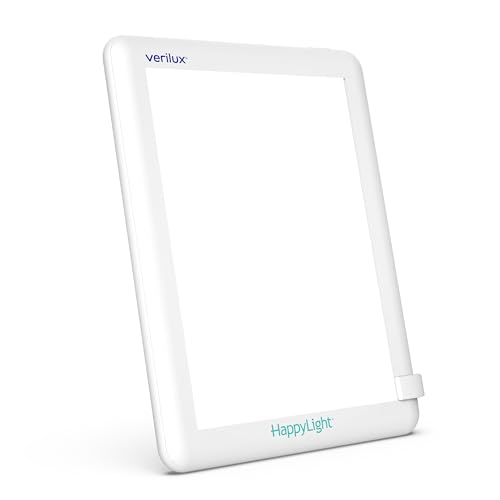
Verilux HappyLight Lucent – One-Touch Light Therapy Lamp with 10,000 Lux, UV-Free, LED Bright White Light & Detachable Stand for Boosting Mood & Improving Sleep
- One-Touch Operation: Easy on/off button for quick use
- High Lux Brightness: Delivers up to 10,000 lux of UV-free light
- Full-Spectrum LED Light: Provides natural, glare-free illumination
As an affiliate, we earn on qualifying purchases.
As an affiliate, we earn on qualifying purchases.
Flea & tick season Picks
flea and tick prevention
As an affiliate, we earn on qualifying purchases.