Yes, LED face masks really work by using specific light wavelengths to target various skin concerns like aging, acne, and uneven tone. Scientific studies show they boost collagen, reduce inflammation, and kill bacteria, making your skin healthier and more vibrant. While professional treatments offer faster results, safe home devices also provide noticeable improvements over time. Keep exploring to discover how to make LED therapy work best for you and your skin goals.

Get wellness gear delivered free with Prime
- Fast, free delivery on millions of items
- Prime Video, Amazon Music and more included
- Member-only deals all year
Key Takeaways
- Scientific studies validate LED masks’ effectiveness in improving skin texture, collagen production, and reducing acne.
- Different light colors target specific concerns: red for anti-aging, blue for acne, green for pigmentation.
- Professional LED treatments are typically more powerful and faster, but home devices are safe with consistent use.
- Proper skin prep and device care are essential to maximize benefits and minimize side effects.
- While results vary, LED masks are a credible, non-invasive skincare option supported by scientific evidence.
As an affiliate, we earn on qualifying purchases.
How Do LED Face Masks Work on the Skin?
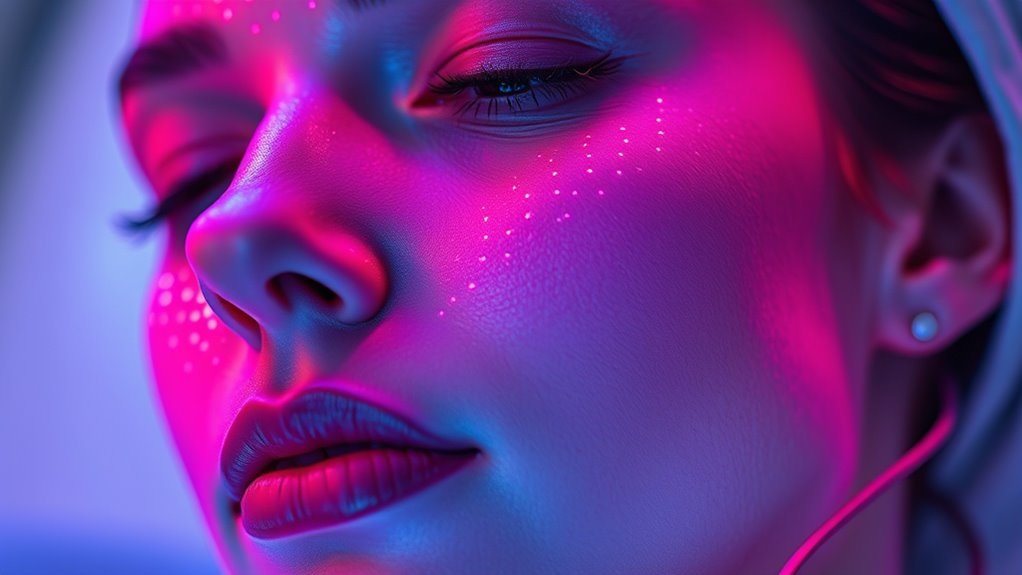
Have you ever wondered how LED face masks actually work on your skin? It all comes down to LED light therapy, a process that uses specific wavelengths of light to target different skin concerns. When you wear the mask, the LED lights penetrate your skin at various depths, stimulating cellular activity. This stimulation encourages skin rejuvenation by boosting collagen production, reducing inflammation, and promoting faster healing. The different colors of LED lights are designed for specific purposes—red for anti-aging, blue for acne, and others for various skin issues. As a result, regular use of LED face masks can help improve your skin’s appearance, making it look healthier, more vibrant, and youthful. Understanding the scientific principles behind LED therapy can help you make informed decisions about adding them to your skincare routine. Additionally, the non-invasive nature of LED therapy makes it an appealing option for many seeking skin improvement without downtime. Recent studies have shown that the light wavelength used in therapy is crucial to its effectiveness, ensuring targeted and safe treatment. Advances in LED technology continue to enhance the safety and efficacy of these masks, making them a popular choice among skincare enthusiasts.
As an affiliate, we earn on qualifying purchases.
The Different Types of Light and Their Effects

Different types of light used in LED face masks target specific skin concerns by penetrating your skin at varying depths. Each light color offers unique benefits in LED light therapy for skin rejuvenation. For example, red light stimulates collagen production, helping reduce wrinkles. Blue light targets acne-causing bacteria, clearing your skin. Green light evens out skin tone and reduces pigmentation. Here’s a quick overview:
| Light Color | Penetration Depth | Main Effect |
|---|---|---|
| Red | Shallow | Skin rejuvenation, collagen boost |
| Blue | Superficial | Acne fighting, bacteria reduction |
| Green | Moderate | Even skin tone, pigmentation |
Understanding these differences helps you choose the right LED light therapy for your skin goals. Recognizing the importance of targeted light therapy can enhance your skincare routine and ensure you select the most effective treatment for your needs. Additionally, knowing about the specific benefits of each light type can help maximize your results and tailor treatments to your individual concerns. Being aware of the varying penetration depths allows for more precise and effective skin treatments, especially when considering personalized skincare approaches based on your skin type and condition. Moreover, understanding how different wavelengths penetrate skin layers can help you optimize your LED therapy sessions for better outcomes.
As an affiliate, we earn on qualifying purchases.
Scientific Evidence Supporting LED Therapy

Numerous scientific studies support the effectiveness of LED light therapy for various skin concerns. Despite this, some face historical skepticism rooted in early doubts about its legitimacy. Over time, cultural perceptions have shifted as research highlights its benefits, making LED therapy more accepted. You should know that clinical trials demonstrate improvements in skin texture, acne reduction, and collagen production. Key points include:
- Multiple peer-reviewed studies validate LED’s benefits
- Certain skeptics questioned its efficacy in the past
- Growing acceptance due to scientific advancements
- Evidence supports its use for anti-aging and acne treatment
While skepticism existed initially, ongoing research and positive outcomes have strengthened the case for LED therapy as a scientifically supported skincare option.
As an affiliate, we earn on qualifying purchases.
Common Skin Concerns Targeted by LED Masks

LED masks are designed to address a variety of common skin concerns effectively. Whether you want anti-aging benefits or acne treatment, these devices target specific issues. For anti-aging, LED light stimulates collagen production, reducing wrinkles and fine lines. If acne is your concern, blue light kills bacteria responsible for breakouts and inflammation. Here’s a quick overview:
| Skin Concern | LED Light Therapy Focus |
|---|---|
| Anti-aging | Red light enhances collagen, smooths skin |
| Acne treatment | Blue light targets bacteria, reduces inflammation |
| Skin tone unevenness | Green light evens out pigmentation |
| Healing and inflammation | Near-infrared helps soothe skin |
Understanding these targeted benefits helps you choose the right LED mask for your needs. Color therapy can also be incorporated to further customize treatment plans based on specific skin goals, leveraging advanced light therapy techniques. Additionally, clinical research supports the effectiveness of various LED wavelengths in achieving these skin improvements.
What to Expect During and After Treatment
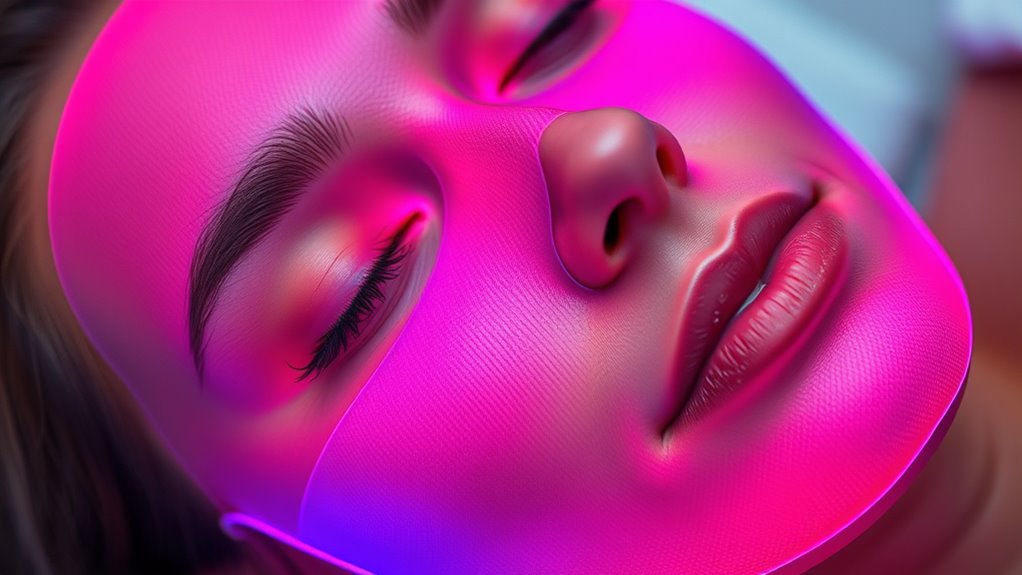
When you start a treatment session, you’ll notice the device gently rests on your skin, emitting calming lights tailored to your specific concern. You might feel a gentle warmth or tingling sensation, which is normal. Afterward, your skin may appear slightly red or flushed but should calm quickly. Expect minimal downtime, making it easy to incorporate into your skincare routines. Once the session ends, you’ll want to avoid harsh products and stick to gentle cleansers. Over the following days, your skin may continue to improve as the treatment stimulates collagen and heals damaged cells. To maximize results, pay attention to product ingredients and avoid irritating substances. Regular treatments can lead to clearer, healthier skin, but consistent care is key for sustained benefits. Remember that proper skin care practices and maintaining a healthy environment can further enhance your results. Additionally, understanding how LED light therapy interacts with your skin can help set realistic expectations and optimize your treatment plan. Research indicates that minimal side effects are common when following recommended guidelines, contributing to the overall safety of the procedure.
Are LED Masks Safe for All Skin Types?

While LED face masks are generally considered safe, their suitability varies depending on your skin type. If you have sensitive skin, you might experience discomfort or irritation, so choosing a device compatible with your skin sensitivity is essential. Not all masks suit every skin type equally, especially those prone to redness or reactions. To help you assess compatibility, consider this table:
| Skin Type | Device Compatibility |
|---|---|
| Sensitive | Look for devices with gentle, low-intensity settings |
| Oily | Masks targeting inflammation and excess sebum |
| Dry | Masks with hydrating LED wavelengths |
| Acne-prone | Devices designed for acne reduction |
| Mature | Masks focusing on collagen stimulation |
Always patch-test and consult skincare professionals for personalized advice.
Potential Risks and Side Effects
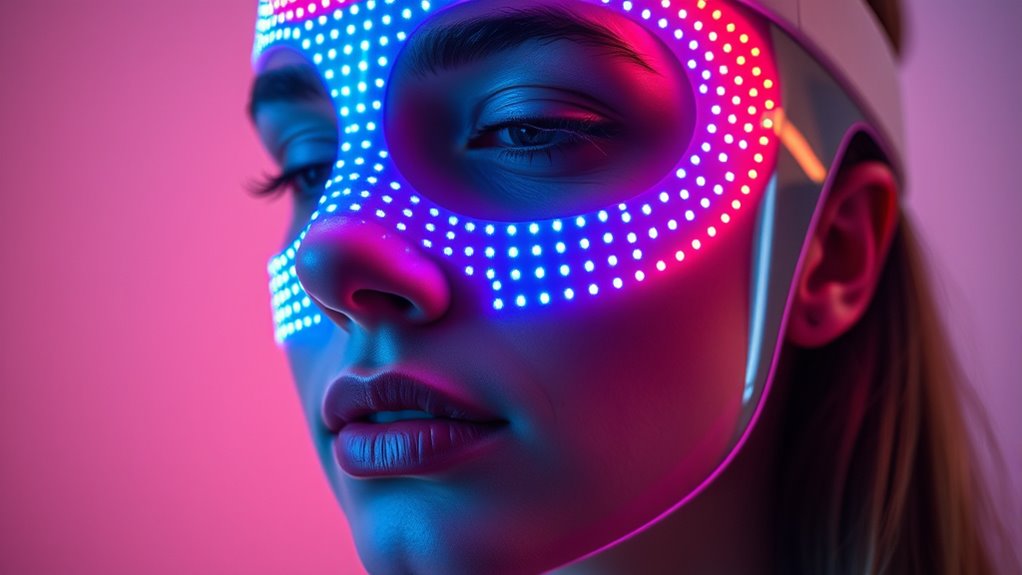
While LED face masks can offer benefits, you should be aware of potential risks like skin irritation and eye safety concerns. Some users may experience redness, itching, or discomfort, especially if they have sensitive skin. Additionally, improper use could harm your eyes, so it’s important to follow safety guidelines carefully. Using LED masks alongside other skincare treatments may sometimes cause adverse reactions if not properly managed skin sensitivity. Moreover, inadequate understanding of LED technology may lead to misuse or unrealistic expectations about the results. Being informed about wave and wind effects can help users better understand how these devices interact with different skin types. Understanding device safety standards can further reduce the risk of adverse effects during usage.
Skin Irritation Risks
Despite their popularity, LED face masks can pose skin irritation risks for some users. If you have sensitive skin, you might experience reactions like redness, itching, or discomfort. These issues often stem from skin sensitivity or allergic reactions to certain materials or light wavelengths. To minimize risks, pay attention to your skin’s response and stop use if irritation occurs. Be cautious if you have a history of allergies or skin conditions. Additionally, understanding the features of advanced technology in LED masks can help users choose safer options that reduce the likelihood of adverse reactions. Recognizing proper usage protocols can further reduce the risk of skin irritation. Proper skin preparation before use can also decrease the chances of adverse effects. Potential risks include: – Redness and inflammation – Itching or burning sensations – Breakouts or acne flare-ups – Increased skin sensitivity. Always do a patch test before full use, and consult a dermatologist if you have concerns about allergic reactions or skin sensitivity. Incorporating appropriate safety measures can also help prevent adverse effects and ensure a safer treatment experience.
Eye Safety Concerns
Although LED face masks are generally safe, they can pose risks to your eyes if not used properly. Direct exposure to intense LED lights may impact your eye health and compromise vision safety. Prolonged or close-up exposure can cause discomfort, eye strain, or temporary visual disturbances. In some cases, bright lights might lead to photochemical damage or exacerbate existing eye conditions. To protect yourself, avoid staring directly into the LEDs and follow the manufacturer’s guidelines. Wearing protective goggles isn’t usually necessary, but if you have sensitive eyes or pre-existing conditions, consult an eye care professional before use. Prioritizing proper use minimizes potential risks and preserves your overall eye health while enjoying the benefits of LED therapy.
Comparing Home Devices and Professional Treatments

You might notice that home devices often have lower power levels than professional treatments, which can affect how well they work. This means results may vary depending on the device you use. Understanding these differences can help you decide whether a home mask or a professional session is right for you.
Device Power Differences
When comparing device power, professional LED face treatments typically deliver much higher energy levels than home devices. This means the LED intensity in clinics is substantially greater, resulting in more potent skincare effects. Home devices usually have lower device power to ensure safety and ease of use, but this also limits their impact.
Consider these key differences:
- Professional treatments use higher LED intensity for faster results
- Home devices prioritize safety with reduced device power
- The energy output in clinics can be up to ten times stronger
- Lower device power in home masks may require longer use for visible benefits
Understanding these device power differences helps you set realistic expectations about what each type of treatment can achieve.
Treatment Effectiveness Variance
Professional LED treatments generally deliver more noticeable and faster results because they use higher energy levels that actively stimulate skin cells. However, treatment effectiveness can vary considerably based on your individual response. Some people see quick improvements, while others may notice minimal change. Factors like skin type, severity of issues, and consistency influence outcomes. Home devices tend to have lower energy output, making results slower and less dramatic but safer for regular use. Here’s a comparison:
| Aspect | Professional Treatments | Home Devices |
|---|---|---|
| Treatment Effectiveness | Higher, faster results | Lower, gradual improvements |
| Individual Response | Varies, often more pronounced | Varies, typically less intense |
| Safety & Convenience | Less convenient, more controlled | Safer, more accessible |
Understanding your unique response helps set realistic expectations for treatment effectiveness.
Tips for Maximizing Results With LED Masks
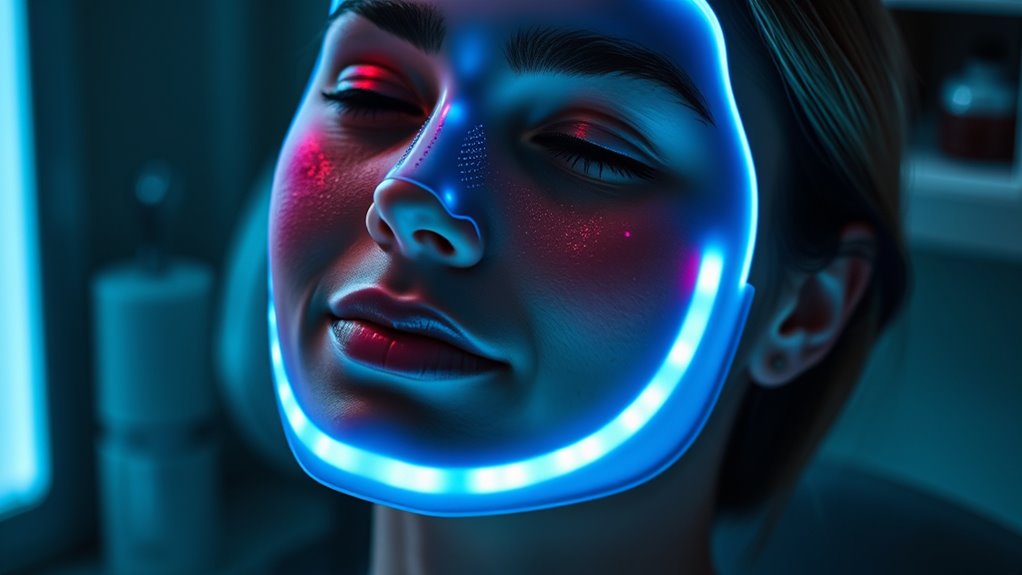
To get the most out of your LED face mask, it’s essential to follow a consistent skincare routine and use the device as directed. Proper skincare routines prepare your skin and enhance LED therapy benefits, while regular device maintenance guarantees optimal performance. To maximize results, consider these tips:
- Clean your face thoroughly before use to remove dirt and oils
- Follow recommended treatment times and frequencies
- Keep your device sanitized after each use
- Stay consistent with your sessions for lasting improvements
Sticking to these practices helps you achieve better skin health and prevents issues like irritation or device malfunction. Remember, dedication and proper care are key to unlocking the full potential of your LED mask.
Making an Informed Decision: Are They Worth It?

Deciding whether LED face masks are worth your investment depends on your skincare goals and expectations. You should weigh the cost versus benefit, considering how much improvement you expect from regular use. While these masks can target issues like acne, wrinkles, and dullness, results vary by individual. User testimonials offer valuable insights; some users see noticeable changes, while others report minimal effects. It’s important to set realistic expectations and evaluate whether the potential benefits justify the expense. If you’re seeking a non-invasive, at-home treatment to complement your skincare routine, LED masks might be worth trying. However, if you’re after quick fixes or significant transformations, they may not meet your needs. Ultimately, informed decisions come from understanding both the potential benefits and limitations.
Frequently Asked Questions
How Often Should I Use an LED Face Mask for Optimal Results?
You should use your LED face mask 3 to 5 times a week for ideal results. Incorporate it into your skincare routines consistently, but also guarantee the mask is compatible with your skin type and the products you use. Avoid overuse to prevent irritation. By following this schedule, you’ll maximize benefits like improved skin tone and texture while maintaining safe, effective skincare routines.
Can LED Masks Replace Professional Dermatological Treatments?
LED masks can’t fully replace professional dermatological treatments, but they’re great for DIY skincare and maintenance. You might save money with at-home devices, making them a cost-effective option for regular use. However, for serious skin concerns, consulting a dermatologist is essential. LED masks complement professional care but shouldn’t be your sole treatment. Balance DIY skincare with expert advice for the best results and informed cost analysis.
Are There Any Age Restrictions for Using LED Face Masks?
While LED face masks are generally safe, there are age restrictions you should consider. Teenagers and older adults can typically use them safely, but safety considerations vary by device and skin sensitivity. If you’re under 18 or have specific skin conditions, consult a dermatologist first. Always follow manufacturer guidelines to avoid potential risks. Younger users should exercise caution to guarantee proper use and maximum results.
How Long Does It Typically Take to See Visible Improvements?
You can usually see visible improvements in skin texture and acne scars after about 4 to 8 weeks of consistent LED face mask use. Regular treatments stimulate collagen production and reduce inflammation, gradually smoothing your skin and fading scars. Keep in mind, individual results vary depending on your skin type and condition. For best results, follow your device’s instructions and maintain a regular skincare routine.
Do LED Masks Have Long-Term Benefits or Require Ongoing Use?
LED face masks can offer long-term benefits if you maintain regular use and follow proper maintenance routines. The long-term effects depend on consistent application and skin care habits; skipping sessions may reduce results. To maximize benefits, stick to a routine, clean your mask properly, and give your skin time to respond. With dedication, you can enjoy lasting improvements in your skin’s health and appearance over time.
Conclusion
So, do LED face masks really work? The science suggests they hold promise, but results can vary. Imagine revealing clearer, radiant skin—yet, the journey isn’t always straightforward. Will consistent use open those visible improvements? As you weigh the potential benefits against risks, remember, the true transformation might just be around the corner. Are you ready to take the step into a brighter, healthier complexion—or will doubts hold you back from discovering what’s possible?
Columbus Day / Indigenous Peoples' Day Picks
long weekend sales
As an affiliate, we earn on qualifying purchases.