Red light (620–750 nm) is visible and primarily stimulates surface skin cells, promoting skin health, reducing inflammation, and enhancing collagen. Infrared light (750 nm to 1 mm) is invisible and penetrates deeper into tissues, making it ideal for pain relief, muscle recovery, and boosting circulation. Both types support cellular regeneration, but their differences in wavelength and depth influence their specific uses. Explore further to discover how each can benefit your skincare or wellness routine.

Get wellness gear delivered free — and shop member deals
- Fast, free delivery on millions of items
- Access to Prime Big Deal Days deals on October 6–7
- Prime Video, Amazon Music and more included
Key Takeaways
- Red light (620–750 nm) is visible and mainly targets superficial skin layers, promoting skin health and anti-aging effects.
- Infrared light (750 nm to 1 mm) is invisible and penetrates deeper tissues, reaching muscles and joints for pain relief and tissue repair.
- Longer wavelengths (infrared) penetrate 20–30 mm, while red light penetrates 5–10 mm into the skin.
- Red light is ideal for skin rejuvenation, whereas infrared is better for deep tissue healing and inflammation reduction.
- Both types stimulate cellular regeneration and ATP production but differ mainly in their penetration depth and targeted tissues.
red light therapy device for skin rejuvenation
As an affiliate, we earn on qualifying purchases.
As an affiliate, we earn on qualifying purchases.
Understanding the Wavelengths of Red and Infrared Light

To understand the differences between red and infrared light, it’s important to know their wavelengths. Wavelength classification places red light within the visible part of the light spectrum, typically between 620 and 750 nanometers. Infrared light, however, falls just beyond visible light, with wavelengths ranging from about 750 nanometers to 1 millimeter. This distinction is key because it affects how each type interacts with your body. Red light, with shorter wavelengths, is visible and often used for skin treatment. Infrared light, with longer wavelengths, isn’t visible but penetrates deeper. Recognizing their positions within the light spectrum helps you understand their unique properties and potential uses in therapies and treatments, especially considering how light wavelengths influence their biological effects. Additionally, understanding wavelength classification can aid in selecting the appropriate light therapy for specific health benefits.
As an affiliate, we earn on qualifying purchases.
How Deep Do These Lights Penetrate the Skin?
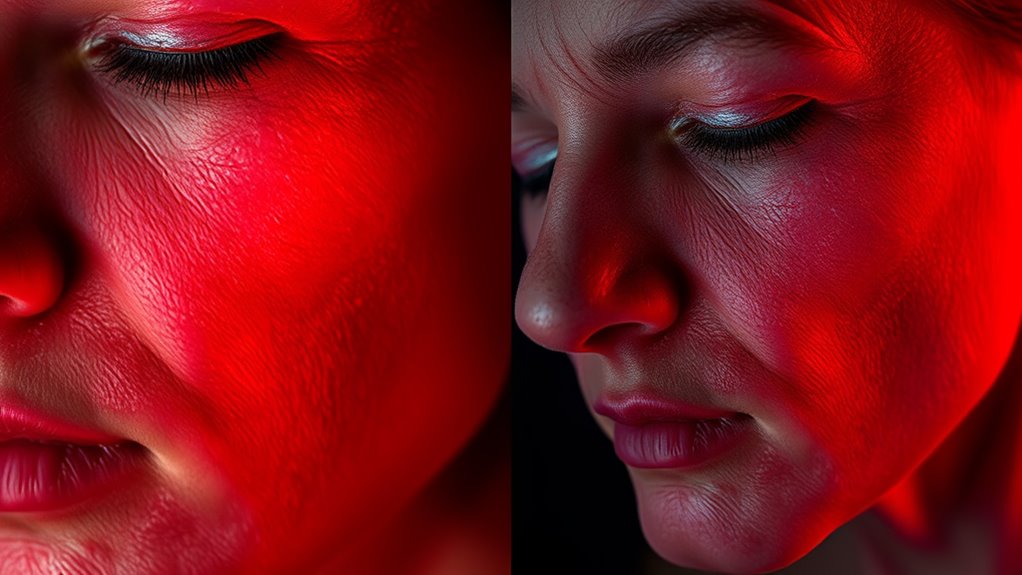
Red and infrared lights differ markedly in how deeply they penetrate your skin. Infrared light generally reaches greater depths due to its longer wavelength, enhancing skin absorption and targeting underlying tissues. In contrast, red light primarily affects surface layers. The table below illustrates typical penetration depths:
| Light Type | Penetration Depth | Skin Absorption Level |
|---|---|---|
| Red Light | 5-10 mm | Moderate |
| Infrared Light | 20-30 mm | High |
Understanding this helps you select the right light for your needs. Infrared’s deeper penetration makes it suitable for targeting muscles and joints, while red light mainly influences superficial skin layers. Your choice depends on how deep you want the light to reach.
red and infrared light therapy panel
As an affiliate, we earn on qualifying purchases.
As an affiliate, we earn on qualifying purchases.
The Biological Effects and Benefits of Each Type

Because red and infrared lights penetrate to different depths, their biological effects also vary. Red light primarily influences surface tissues, promoting benefits like reduced inflammation and enhanced skin health through photobiomodulation therapy. Infrared light penetrates deeper, targeting muscles, joints, and internal tissues, which helps improve circulation and reduce pain. Both types stimulate cellular regeneration by activating mitochondria, increasing ATP production, and supporting tissue repair. These effects can accelerate healing processes and improve overall tissue function. Red light’s superficial action makes it ideal for skin rejuvenation, while infrared’s deeper reach benefits chronic pain and muscle recovery. Understanding light penetration depths can help tailor treatments for optimal results. Additionally, the different wavelengths can be combined to optimize therapeutic outcomes based on specific health needs. The ability of both lights to promote cellular health underscores their complementary roles in therapy.
deep tissue infrared light therapy
As an affiliate, we earn on qualifying purchases.
As an affiliate, we earn on qualifying purchases.
Common Uses and Applications in Skincare and Healing

Red and infrared light are widely used in skincare and healing treatments to boost skin rejuvenation and reduce signs of aging. They also help ease pain and inflammation, providing relief for various conditions. Understanding how these lights work can help you choose the right therapy for your needs. Additionally, these therapies can be incorporated into backyard relaxation setups, such as hot tubs, to enhance overall wellness and stress relief. The ability of these lights to penetrate tissues deeply makes them effective for targeted healing and tissue repair. Proper safety protocols are important when using these therapies to ensure effective and safe treatment. Incorporating AI-powered devices can further optimize treatment outcomes and personalize therapy plans. Maintaining proper air quality in your environment can also support overall health and complement light therapies.
Skin Rejuvenation Benefits
Infrared light is widely used in skincare and healing treatments to promote skin rejuvenation. Its specific light wavelength allows deeper skin penetration, reaching layers that other treatments might miss. This deep penetration stimulates cellular activity, encouraging collagen production and improving skin elasticity. As a result, you may notice a reduction in fine lines, wrinkles, and age spots over time. Infrared therapy also boosts circulation, enhancing nutrient delivery and waste removal in skin cells. This process helps your skin look healthier, more vibrant, and youthful. Because of these benefits, infrared light is a popular choice for non-invasive skin rejuvenation procedures. It offers a safe, effective way to enhance your skin’s appearance without the downtime associated with more invasive treatments. Infrared light therapy is also being explored for its potential to accelerate healing and reduce inflammation in various medical applications. Additionally, its capacity to stimulate cellular regeneration makes it a promising option for skin repair and recovery. Furthermore, ongoing research suggests that infrared light may also support pain relief and improve overall tissue health. The ability of infrared light to target deeper tissues is what makes it especially useful in medical treatments, expanding its applications beyond cosmetics. Recent studies indicate that infrared light can also promote immune response and aid in faster recovery processes.
Pain and Inflammation Relief
Infrared light’s ability to penetrate deep into the skin makes it an effective tool for managing pain and reducing inflammation. By targeting specific wavelength variations, infrared therapy can reach underlying tissues, easing muscle soreness and joint pain. This deep penetration enhances healing and diminishes swelling. Wavelength differences influence how effectively the light interacts with tissues, allowing for tailored treatments. Additionally, color therapy uses different light colors to address various conditions; red and infrared lights are popular choices for pain relief. You might notice improvements in recovery or pain reduction after regular sessions. Infrared light’s capacity to deliver healing benefits beneath the skin’s surface makes it a valuable option for long-term inflammation management and pain relief, especially when combined with other therapies.
Safety Considerations and Precautions

When using red or infrared light devices, you need to protect your eyes, so always wear appropriate eye gear. Be mindful of your skin’s sensitivity and avoid overexposure to prevent irritation or burns. Make sure you handle the devices carefully and follow all safety instructions to prevent accidents or damage. Additionally, be aware of potential scam alerts and verify the legitimacy of the devices or companies involved. For accurate results and safe usage, understanding the types of light technology involved can help you make informed decisions.
Eye Protection Necessities
Since exposure to bright or intense light sources can harm your eyes, it’s vital to prioritize proper eye protection when working with red or infrared light. Always wear appropriate safety goggles designed for the specific wavelength you’re using to guarantee eye safety. Regular device maintenance is essential; inspect your equipment for damage or worn-out parts that could increase light intensity or cause leaks. Never bypass safety features or ignore manufacturer guidelines. Proper device handling and understanding connectivity standards can help prevent accidental exposure or malfunctions. Being aware of industry safety protocols and protective eyewear can further enhance your protection measures. Additionally, understanding standardized safety standards ensures comprehensive protection during your tasks. Remember, safeguarding your eyes isn’t just about equipment—it’s about maintaining health and preventing potential long-term harm. Prioritize these precautions every time you work with red or infrared light.
Skin Sensitivity Risks
Exposure to red or infrared light can cause skin sensitivity or burns if proper precautions aren’t taken. If you have cosmetic pigmentation, such as tattoos or permanent makeup, these areas may be more prone to adverse reactions. Additionally, UV exposure prior to treatment can increase your skin’s sensitivity, raising the risk of burns or damage. Always make sure your skin is clean and free of products that may amplify light absorption. It’s essential to follow device guidelines and avoid overexposure, especially if you have a history of skin conditions or hyperpigmentation. Protecting your skin from unnecessary stress reduces the chance of adverse effects. When in doubt, consult a healthcare professional to assess your skin’s suitability and prevent potential risks related to skin sensitivity.
Proper Device Handling
To guarantee safe and effective use of red or infrared light devices, it’s essential to handle them properly and follow safety guidelines. Start by ensuring the device is correctly calibrated before each use, as proper calibration guarantees consistent light output and avoids overexposure. Always set the power settings according to your treatment needs and manufacturer instructions—using too high a setting can cause skin irritation or burns, while too low may reduce effectiveness. Handle the device carefully, avoiding any damage to cords or components, and keep it clean to prevent infections. When not in use, store it in a safe, dry place. Proper device calibration and navigation and mapping also help ensure targeted and safe therapy sessions. Additionally, regularly inspecting your device for damage or wear can prevent malfunctions during use. Maintaining the device’s proper maintenance is crucial for optimal performance and safety. By maintaining proper device calibration and adjusting power settings appropriately, you minimize risks and maximize the benefits of your light therapy sessions.
Choosing the Right Light Therapy for Your Needs
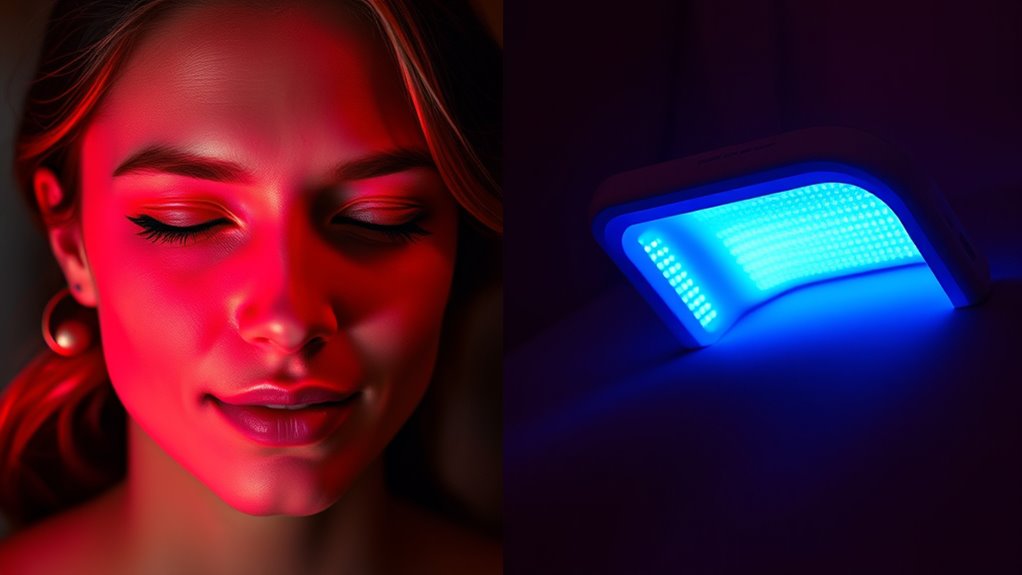
Choosing the right light therapy depends on your specific goals and needs. To avoid light therapy myths, it’s vital to understand how different wavelengths work. Consider these device selection tips:
- Identify your primary goal—skin health, pain relief, or muscle recovery.
- Check the wavelength—red light (620-750nm) for skin, infrared (750-1000nm) for deeper tissues.
- Evaluate device power and coverage area for effective treatment sessions.
- Read reviews and consult professionals to guarantee reliability.
Frequently Asked Questions
Can Red and Infrared Light Be Used Together for Enhanced Benefits?
Yes, combining red and infrared light can enhance benefits through synergistic effects. When used together, they improve cellular energy production and promote faster healing, boosting the combined efficacy of light therapy. You’ll likely notice better skin rejuvenation, pain relief, and overall wellness. This dual approach targets different layers of tissue, maximizing results, so it’s a smart choice if you want to optimize your treatment outcomes.
How Do Different Skin Types Respond to Red vs. Infrared Light Therapy?
Imagine your skin as a delicate garden, reacting differently to each light. With red light, your skin’s sensitivity and pigmentation response may be more pronounced, especially if you have fair or sensitive skin. Infrared light penetrates deeper, often causing less visible reaction but still promoting healing. You might find that darker skin types respond better to infrared, as they tend to have less pigmentation response, making treatment safer and more effective for diverse skin tones.
Are There Any Long-Term Health Risks Associated With Light Therapy?
You might wonder if there are potential side effects or concerns about long-term safety with light therapy. Generally, it’s considered safe when used correctly, but overuse or improper settings could cause skin irritation or eye strain. To guarantee long-term safety, follow recommended guidelines and consult a professional if you notice any adverse effects. Regular monitoring helps minimize risks and maximizes benefits from your light therapy sessions.
What Are the Costs and Availability Differences Between Red and Infrared Devices?
Red light devices tend to be more affordable and widely available, making them easier to find in stores or online. Infrared devices often cost more due to advanced technology and are less common, but they offer deeper tissue penetration. If you’re looking for budget-friendly options with easy market access, red light devices are your best bet. Infrared devices might require more research and higher investment, but they can provide targeted benefits.
Can These Lights Be Integrated With Other Skincare or Medical Treatments?
You can definitely integrate red and infrared lights with other skincare or medical treatments through combination therapy. This treatment integration allows you to enhance results, whether you’re combining light therapy with topical products or other procedures. Just make sure to consult with a professional to tailor the approach to your specific needs. By coordinating these treatments, you create a more extensive plan that maximizes benefits and promotes healthier skin.
Conclusion
Now that you understand the differences between red and infrared light, you can make informed choices for your skincare or healing needs. Whether you want surface-level rejuvenation or deeper tissue recovery, selecting the right light makes all the difference. Imagine your skin glowing with health—are you ready to harness the power of these lights to achieve your best self? With proper knowledge, you can confidently incorporate light therapy into your wellness routine.
Fall Picks
fall essentials
As an affiliate, we earn on qualifying purchases.