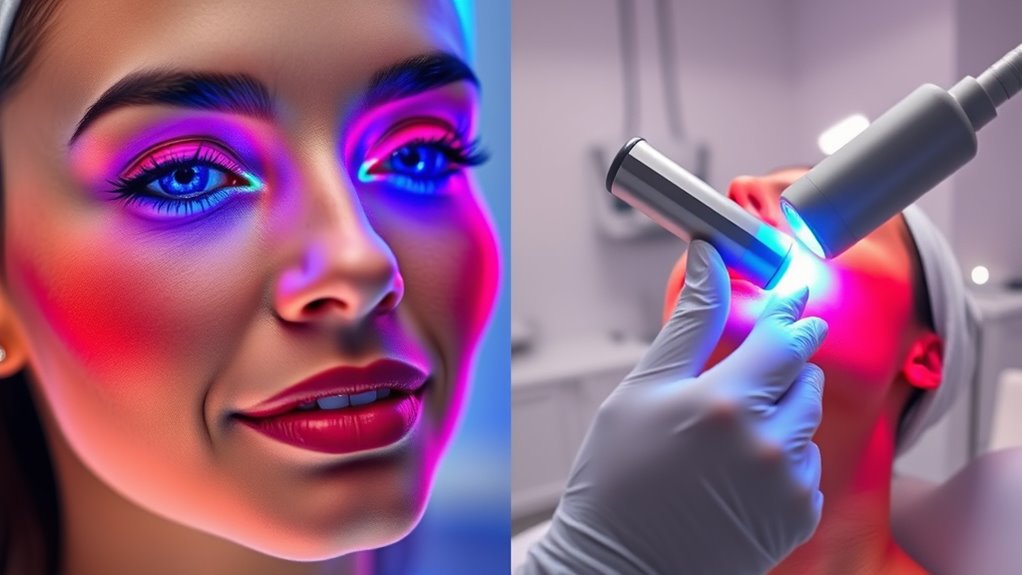

If you want a gentle, non-invasive treatment for mild skin issues like acne or early signs of aging, LED light therapy might be your best choice. But if you have deeper scars, pigmentation, or stubborn wrinkles, professional laser treatments deliver faster, more noticeable results. Consider your budget, skin sensitivity, and how much downtime you can spare. To find the best option for your needs, explore the details that follow.

Get wellness gear delivered free — and shop member deals
- Fast, free delivery on millions of items
- Access to Prime Big Deal Days deals on October 6–7
- Prime Video, Amazon Music and more included
Key Takeaways
- LED light therapy is gentler, non-invasive, and suitable for mild to moderate skin concerns, with minimal risks and downtime.
- Professional lasers offer more aggressive, targeted treatment for severe issues like deep scars, pigmentation, and stubborn wrinkles.
- Laser treatments tend to produce faster, more noticeable results but come at higher costs and potential increased risks.
- LED therapy is more accessible, affordable, and can often be used at home for ongoing maintenance.
- Choosing between them depends on your skin concern severity, budget, safety preferences, and desired treatment speed.
LED light therapy device for face
As an affiliate, we earn on qualifying purchases.
As an affiliate, we earn on qualifying purchases.
How Do LED Light Therapy and Laser Treatments Work?
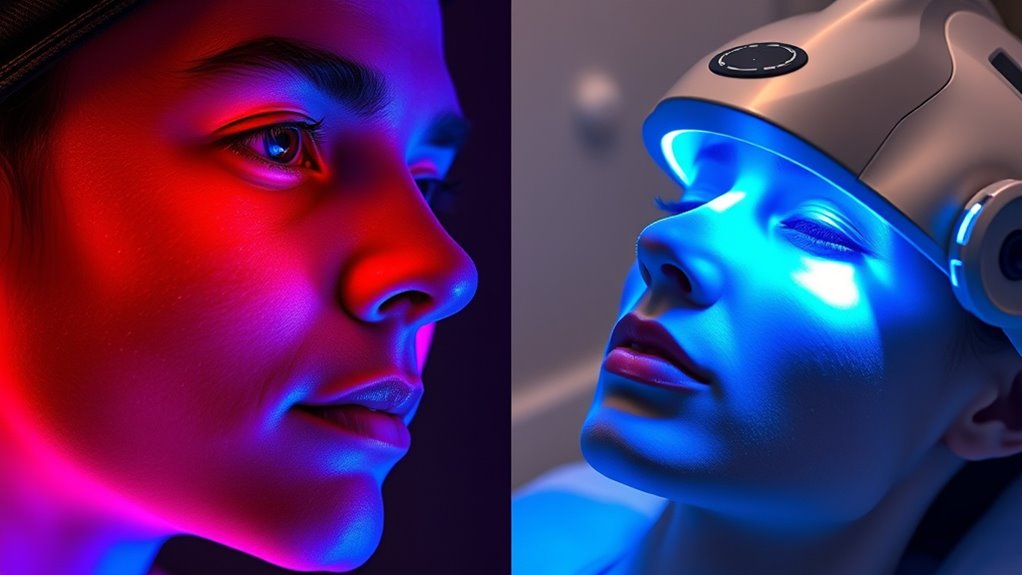
Both LED light therapy and laser treatments use focused light energy to target skin issues, but they do so in different ways. LED light therapy employs specific wavelengths of light to stimulate cellular processes through phototherapy mechanisms, promoting healing and rejuvenation without damaging the skin’s surface. It’s a gentle, non-invasive approach that encourages natural repair. Conversely, laser technology uses concentrated beams of light to precisely target deeper skin layers, often by vaporizing or heating tissue. This process allows for more aggressive treatment of skin concerns, such as removing scars or pigmentation. While both methods harness light energy, LED therapy relies on phototherapy mechanisms for subtle benefits, whereas laser technology delivers more intensive results by directly interacting with skin tissue. Understanding these differences can help you choose the right treatment for your skin needs.
professional laser skin treatment at home
As an affiliate, we earn on qualifying purchases.
As an affiliate, we earn on qualifying purchases.
Effectiveness in Addressing Common Skin Concerns
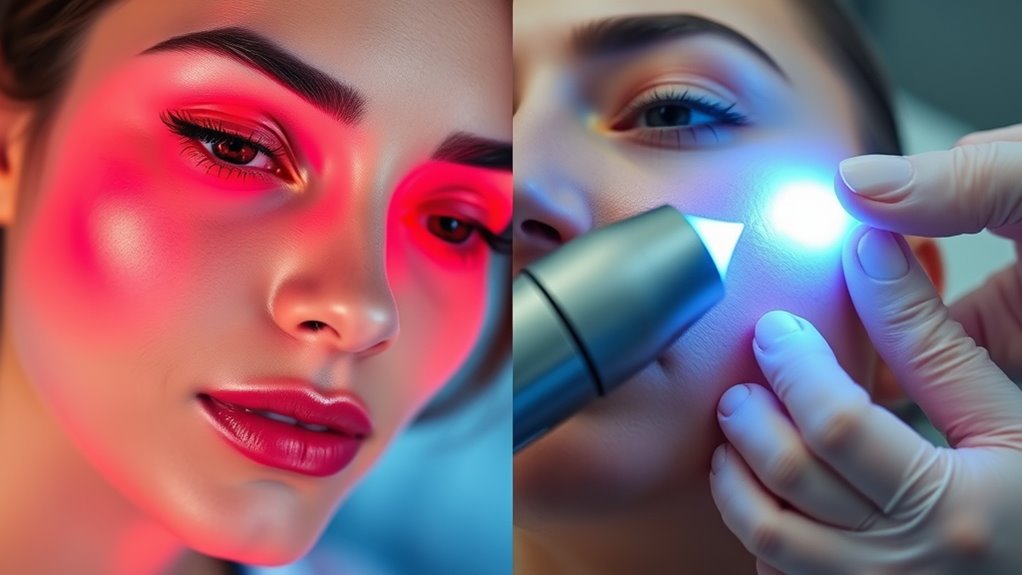
When it comes to treating common skin concerns, LED light therapy and laser treatments differ considerably in their effectiveness. Laser treatments often deliver more dramatic results for issues like deep scars, pigmentation, and stubborn wrinkles. However, LED therapy can be effective for mild to moderate concerns such as acne, inflammation, and early signs of aging. If you’re exploring alternatives to lasers, LED devices offer non-invasive options that target surface and superficial skin layers. For those hesitant to undergo professional procedures, home therapy options provide a convenient, cost-effective way to maintain skin health. While lasers tend to produce faster, more noticeable results for advanced concerns, LED light therapy can support ongoing skin improvement, especially for maintenance and less severe issues. Your choice depends on your skin goals and the severity of your concerns. Understanding the differences in skin penetration can help you make a more informed decision about which treatment is best suited for your needs. Additionally, considering treatment depth and target layers can help determine the most appropriate technology for your specific skin issues. Incorporating essential oils for skin health into your skincare routine may also enhance the healing process and overall results.
As an affiliate, we earn on qualifying purchases.
Safety Considerations and Potential Risks

You should be aware that both LED light therapy and professional lasers can cause skin irritations if not used properly. Eye safety is vital, so protective eyewear is a must during treatments. Additionally, the long-term effects of these therapies remain uncertain, so understanding potential risks is essential before proceeding. Being aware of air quality factors can also influence overall skin health and treatment outcomes. Proper device calibration is also crucial to prevent unintended skin damage and optimize treatment efficacy. Moreover, the energy levels used during therapy should be carefully monitored by qualified practitioners to minimize adverse effects. Incorporating smart home technology such as environmental sensors can help monitor indoor air quality and support healthier skin conditions.
Potential Skin Irritations
While LED light therapy is generally considered safe, some individuals may experience skin irritation or redness afterward. If you have sensitive skin or a history of allergic reactions, you might be more prone to irritation. Common issues include redness, itching, or a burning sensation, especially if your skin reacts strongly to light exposure. To minimize risks, start with shorter sessions and monitor your skin’s response. Additionally, understanding skin sensitivities can help you better prepare for treatment and avoid adverse effects. Being aware of photosensitivity can further help prevent unexpected reactions during light-based therapies. Recognizing light intensity levels ensures you stay within safe exposure limits and reduces the chance of irritation. Being informed about device settings can help tailor treatments to your comfort level and safety needs. Paying attention to treatment duration can also prevent overexposure and minimize skin reactions.
Eye Safety Precautions
Eye safety is a crucial consideration during LED light therapy, as exposure to intense light can cause damage to your eyes if proper precautions aren’t taken. To protect your eyes, always wear appropriate protective eyewear designed specifically for light therapy sessions. These glasses shield your eyes from harmful wavelengths and prevent potential injury. Never look directly at the LED or laser device without eye protection, even if you feel it’s safe. Confirm your protective eyewear fits well and is rated for the specific light intensity used during treatment. Ignoring eye safety measures can lead to discomfort, temporary vision disturbances, or more serious eye damage. Proper protective equipment is essential to ensure safety during sessions. Using European cloud innovation to enhance your treatment setup can improve safety and reliability. Incorporating safe light exposure practices helps minimize risks and ensures your eyes are protected throughout the therapy. Staying informed about regulatory changes can help you choose the safest devices and accessories. Being aware of pinball machine weights can also be useful when considering device portability and setup. Prioritizing eye safety helps you enjoy the benefits of LED therapy without risking your eye health.
Long-term Effects Uncertain
Although LED light therapy and professional lasers are generally considered safe when used properly, the long-term effects of repeated treatments remain uncertain. Limited research on the long term effects makes it difficult to predict potential risks over time. You might experience immediate improvements, but the safety of consistent use is not fully established. Research limitations hinder understanding of whether these therapies could cause skin damage, pigmentation changes, or other issues years down the line. It’s important to weigh current evidence carefully and consult with a professional about your treatment plan. While short-term safety is well-supported, the absence of extensive long-term studies means you should proceed cautiously, especially with frequent or prolonged use. Modern technology continues to advance, but comprehensive safety evaluations for these therapies are still needed. Additionally, understanding the cell turnover process influenced by glycolic acid can help inform safer skincare practices over time. Recognizing the importance of regulatory oversight can also guide consumers toward safer treatment options as the field develops. As research progresses, more clarity on the long-term safety of these treatments will hopefully emerge. Moreover, ongoing nanotechnology research may eventually contribute to improved safety measures and treatment efficacy in the future.
As an affiliate, we earn on qualifying purchases.
Cost and Accessibility of Each Treatment Option

When comparing LED light therapy and professional lasers, you’ll notice differences in treatment costs and what’s covered by insurance. Accessibility also varies, with lasers often available only at specialized clinics and LEDs more widely accessible. Payment options can differ markedly, so it’s important to explore what’s available for each treatment before making a decision. Additionally, understanding the treatment equipment used can help you make a more informed choice.
Treatment Costs Compared
The cost of LED light therapy is generally more affordable upfront, making it accessible for many individuals seeking skin treatments. While individual sessions are cheaper, they often require multiple visits for results. In contrast, professional laser treatments tend to have higher initial costs but may need fewer sessions overall. Here’s a comparison:
| Treatment Type | Average Cost per Session | Total Cost for Complete Course |
|---|---|---|
| LED Light Therapy | $50 – $100 | $200 – $500 (for multiple sessions) |
| Professional Lasers | $200 – $500 | $800 – $2000 (for full treatment) |
This affordability comparison highlights how LED therapy offers a lower entry point, but laser treatments might be more cost-effective long-term depending on your skin goals.
Availability and Locations
Availability and access to LED light therapy and professional laser treatments vary widely depending on your location. Your options depend on factors like clinic locations and service availability in your area. Typically, you’ll find:
- Major cities offering numerous clinics with both treatment types.
- Suburban areas where laser clinics may be limited but LED options are more accessible.
- Rural regions where specialized clinics are rare, making access more challenging.
Laser treatments tend to be concentrated in urban centers, while LED therapy is often available at more general wellness or dermatology clinics. You’ll need to research local providers to determine which options are accessible. Overall, your ability to access each depends heavily on your geographic location and the presence of qualified clinics nearby.
Insurance and Payment Options
Insurance coverage and payment options considerably influence your ability to access LED light therapy and professional laser treatments. Many insurance plans don’t fully cover these procedures, making out-of-pocket costs a key consideration. LED treatments are often more affordable and may be available through flexible payment plans, easing financial burden. Professional laser treatments tend to be more expensive, but some clinics offer customized payment plans to help manage costs. It’s essential to check your insurance coverage beforehand to understand what’s included and what’s not. Some providers may offer financing options or discounts for multiple sessions. By exploring your insurance benefits and available payment plans, you can make more informed decisions and choose the treatment that fits your budget and skin goals.
Time Commitment and Convenience
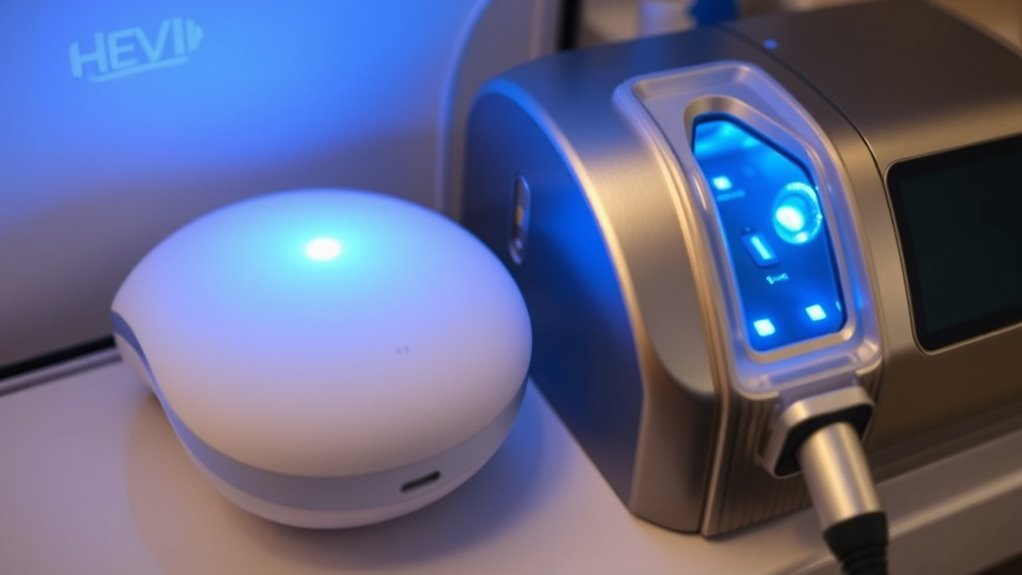
While both LED light therapy and professional laser treatments offer convenient options, they differ considerably in the time commitment involved. LED sessions typically require less time per visit, making scheduling easier. In contrast, laser treatments often need longer appointments due to their complexity. Consider these factors:
- Appointment scheduling: LED sessions usually take 20-30 minutes, allowing quick fits into your day, while laser treatments can last 45 minutes to an hour.
- Travel requirements: LED therapy is often done in-office or at home, reducing travel, whereas laser treatments may require multiple visits to the clinic.
- Frequency of sessions: LED treatments might be scheduled weekly or biweekly, with shorter overall treatment periods, while lasers often demand fewer, more intensive sessions.
This variance impacts your overall time investment and convenience.
Making the Right Choice for Your Skin Goals
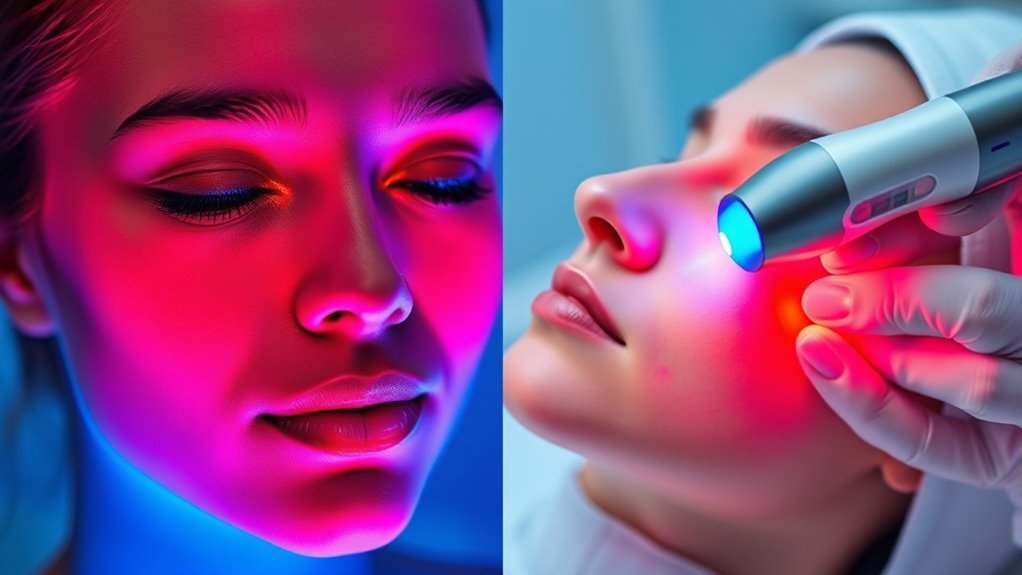
Choosing between LED light therapy and professional laser treatments depends on your specific skin goals. If you’re seeking personalized skincare solutions, consider which treatment aligns best with your desired outcomes, whether it’s reducing wrinkles, scars, or redness. LED therapies are gentler and suitable for ongoing maintenance, fitting easily into your lifestyle, especially if you prefer non-invasive options. Laser treatments, on the other hand, often deliver faster results for targeted concerns but may require downtime and more careful planning. Think about your skin’s needs, your schedule, and how much recovery time you’re willing to invest. Making the right choice involves balancing your skin goals with lifestyle integration, ensuring you select a treatment that’s effective, manageable, and tailored to your personal skincare journey.
Frequently Asked Questions
Can LED Therapy Replace Professional Laser Treatments Permanently?
LED therapy can’t permanently replace professional laser treatments, as clinical efficacy varies. While LED offers a cost-effective, non-invasive option for skin improvement, it generally provides milder results and may require ongoing sessions. Professional lasers deliver more targeted, stronger treatments with lasting effects but come at a higher cost. If you’re seeking long-term solutions, laser treatments are more effective, though LED can be a good maintenance or initial therapy.
Which Treatment Has Fewer Side Effects for Sensitive Skin?
If you have sensitive skin, LED light therapy generally offers fewer side effects and is safer due to its gentle nature. Sensitivity considerations make it a preferred choice because it minimizes risk of irritation or burns. While professional lasers can be effective, they may cause more discomfort or adverse reactions for sensitive skin. Always consult a skincare professional to confirm the treatment aligns with your sensitivity considerations and prioritizes treatment safety.
How Long Do Results Typically Last With Each Treatment?
You’ll notice results lasting around 4 to 6 weeks with LED light therapy, making it ideal for ongoing maintenance. Professional laser treatments offer longer-lasting results, often extending up to a year or more, thanks to their deeper skin impact. The durability of outcomes depends on your skin type, treatment frequency, and skincare routine, but generally, professional lasers provide greater treatment longevity and results durability for more significant skin concerns.
Are There Age Restrictions for LED or Laser Skin Treatments?
You should know that age limits for LED or laser skin treatments vary, and pediatric suitability is generally limited. Most clinics recommend these treatments for adults, typically over 18, because of skin maturity and safety concerns. For younger patients, doctors usually prefer less invasive options. Always consult a qualified dermatologist to determine if you’re eligible based on your age and skin condition, ensuring a safe and effective experience.
Can These Treatments Be Combined for Better Skin Results?
Did you know combining treatments can boost skin improvements by up to 30%? Yes, you can combine LED light therapy and professional lasers for enhanced results. The key is treatment synergy, where each modality complements the other, targeting different skin concerns effectively. Always consult your dermatologist to create a personalized plan that maximizes combination benefits and guarantees safe, effective skin rejuvenation tailored just for you.
Conclusion
When choosing between LED light therapy and professional lasers, consider your skin goals and budget. Did you know that over 70% of users report noticeable improvements with LED treatments, making them a popular, affordable option? If you want a quick, painless solution, LED might be your best bet. However, for more stubborn issues, lasers could be more effective. Ultimately, pick what’s best for your skin and lifestyle to achieve the results you desire.
Fall Picks
fall essentials
As an affiliate, we earn on qualifying purchases.