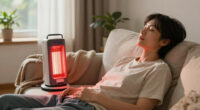
TL;DR

Get wellness gear delivered free with Prime
- Fast, free delivery on millions of items
- Prime Video, Amazon Music and more included
- Member-only deals all year
Infrared therapy lamps mainly produce heat to soothe muscles and support skin health. Evidence for deep or long-term benefits is limited, so choose devices carefully and use with caution.
If you’ve ever sat under a glowing red lamp at a spa or seen those infrared panels on social media, you’ve encountered a popular wellness trend. But what do these lamps really do? Are they just warm, or do they offer tangible health benefits?
Understanding the different types of infrared lamps, how they work, and what the science says can help you make smarter choices. Whether you’re considering one for muscle relief, skin health, or just relaxation, this guide clears up the confusion and highlights what’s worth your time—and what’s not.
Infrared therapy lamps mainly produce heat, which can temporarily relax muscles and soothe minor aches, but deep tissue effects are often overstated.
Choose devices based on wavelength, irradiance, safety certifications, and intended use—not just wattage or appearance.
Always follow safety guidelines: avoid burns, protect your eyes, and consult a healthcare professional if you have underlying health conditions or serious symp…
Research supports short-term pain relief and skin benefits for specific protocols, but claims of detoxification or deep healing lack strong evidence.
Stay cautious of marketing hype and untested devices; focus on reputable brands with clear specifications and scientific backing.
What Are the Different Types of Infrared Therapy Lamps?
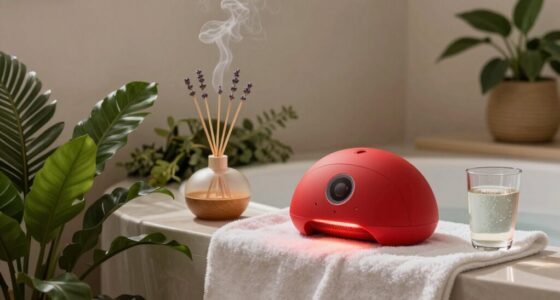
Infrared therapy lamps come in several forms, each with distinct effects and uses. The most common types include traditional infrared heat lamps, LED-based photobiomodulation devices, and far-infrared panels or saunas.
Traditional infrared heat lamps emit a warm, reddish glow. They mainly produce near-infrared radiation and visible red light, designed to heat superficial tissues. Think of the lamps you see in salons or physical therapy clinics—these are primarily for warming muscles and easing stiffness.
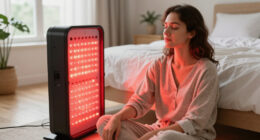
Photobiomodulation devices use LEDs or low-power lasers at specific wavelengths, typically around 630–680 nm (red light) and 800–850 nm (near-infrared). Their goal isn’t just heat but to influence cellular activity—possibly reducing inflammation or supporting healing. These are often marketed for skin rejuvenation, hair growth, or pain relief.
Far-infrared panels and saunas focus on heating the body’s surface and increasing core temperature. They claim to detoxify or boost immunity, but scientific support for deep internal benefits remains limited.
In short, these categories aren’t interchangeable. They differ in wavelength, power, biological effects, and safety considerations. Choosing the right one depends on your goals and understanding their capabilities.
infrared therapy lamp for muscle pain relief
As an affiliate, we earn on qualifying purchases.
As an affiliate, we earn on qualifying purchases.
How Do Infrared Therapy Lamps Actually Work?
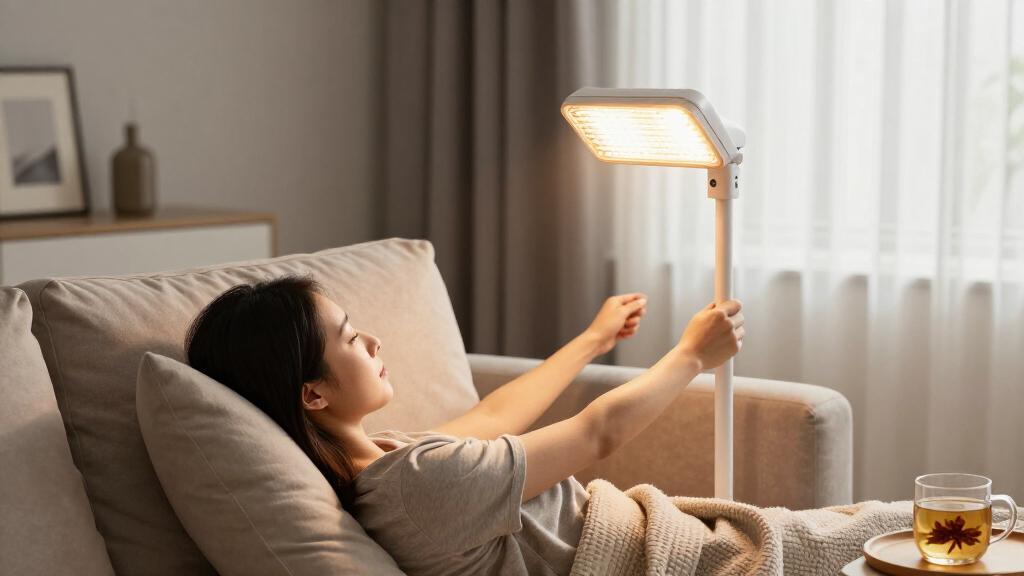
Infrared therapy lamps mainly produce **thermal effects**. When you sit under one, your skin warms, blood flow increases temporarily, and muscles relax. This localized heating can improve circulation, which is why many people find it relaxing and helpful for stiffness. However, the implications go beyond mere warmth: increased blood flow can help deliver nutrients and remove waste products from tissues, potentially aiding recovery. Yet, this effect is usually short-lived and limited to superficial layers.
Photobiomodulation, on the other hand, involves specific wavelengths of light interacting with cellular structures—particularly mitochondria, the energy-producing parts of cells. This interaction can stimulate production of ATP (cellular energy), modulate inflammatory processes, and promote tissue repair. The significance lies in the possibility of influencing cellular behavior directly, which could lead to healing or regeneration at a microscopic level. But these effects are highly dependent on precise parameters—wavelength, dose, and treatment duration—and are more difficult to achieve with simple, home-use lamps.
For example, a red-light device used on a sore knee can produce warmth that eases discomfort and temporarily increases blood flow. This can be beneficial for acute pain or stiffness. However, claiming that such a device can penetrate deeply enough to cause significant internal healing or detoxification is misleading. The limited penetration depth of visible and near-infrared light means that the actual biological impact is often superficial or localized, not a deep, systemic effect. Understanding this helps set realistic expectations and prevents overreliance on these devices as miracle cures.
**Practical Takeaway:** If you’re considering an infrared lamp, identify your goal—relief of superficial muscle tension or skin health—and select a device designed for that purpose. For muscle relaxation, a traditional heat lamp may suffice. For cellular-level effects like healing or inflammation reduction, look for FDA-approved photobiomodulation devices and follow expert protocols. Always keep your expectations grounded in the biological limitations of light penetration and current scientific evidence.
red light therapy device for skin rejuvenation
As an affiliate, we earn on qualifying purchases.
As an affiliate, we earn on qualifying purchases.
What Does the Research Say About Infrared Lamps?
Research on infrared lamps offers a nuanced picture. For short-term pain relief and muscle relaxation, the thermal effects are well-documented: heat dilates blood vessels, reduces muscle tension, and enhances comfort. This explains why people often feel immediate relief after a session. But the key is that these benefits are generally temporary, and repeated sessions are needed to maintain relief. The implications are that infrared lamps can be useful adjuncts for managing minor aches but are unlikely to produce lasting structural changes.
Photobiomodulation shows more promising results in specific contexts, such as accelerating wound healing, reducing inflammation, or improving skin conditions. For instance, some devices have FDA clearance for treating hair loss, indicating a recognized potential in stimulating follicle activity. Yet, these benefits are typically modest, and protocols must be carefully followed to be effective. Variability in device quality and treatment parameters means that results can differ widely among users.
**Practical Advice:** When using infrared lamps, set realistic expectations based on current evidence. For pain relief, use the device as an adjunct to other treatments like stretching, exercise, or medical advice. For skin or hair benefits, select FDA-cleared devices and follow recommended protocols. Don’t rely solely on infrared therapy to solve serious health issues—think of it as a supplementary tool rather than a cure. Always consult with a healthcare professional if unsure or if symptoms persist.
As an affiliate, we earn on qualifying purchases.
Frequently Asked Questions
Is infrared therapy the same as red-light therapy?
Not exactly. Red-light therapy involves visible red light, usually around 630–680 nm, while infrared is invisible and penetrates deeper. Many devices combine both for different effects, but their mechanisms and benefits vary.
Does infrared light penetrate deeply into tissues?
Near-infrared light can reach a few centimeters into tissue, but most energy is absorbed or scattered. Claims of deep internal healing from home lamps are often exaggerated. Proper protocols are key for any real benefit.
Can infrared therapy really help with pain?
Heat from infrared lamps can temporarily ease muscle tension and stiffness. Photobiomodulation shows some promise for specific pain conditions, but results differ and are not universal. It’s an adjunct, not a cure-all.
How long should I use an infrared lamp each session?
It depends on the device and your goals. Follow manufacturer instructions—generally 10–20 minutes—and start with shorter sessions. Longer isn’t always better and can cause overheating or discomfort.
Are goggles necessary during treatment?
Yes, especially with high-powered LEDs or near-infrared devices. Protecting your eyes prevents potential discomfort or injury. Always follow the safety instructions provided with your device.
LED photobiomodulation therapy device
As an affiliate, we earn on qualifying purchases.
As an affiliate, we earn on qualifying purchases.
Conclusion
Infrared therapy lamps can be helpful tools for relaxation and minor discomfort, but they’re not miracle cures. The key is understanding what they do—and what they don’t do.
Choose wisely, follow safety tips, and keep your expectations realistic. When used properly, these lamps can support your wellness routine without replacing professional medical advice. Think of them as gentle companions—helpful, but not a substitute for expert care.
Columbus Day / Indigenous Peoples' Day Picks
long weekend sales
As an affiliate, we earn on qualifying purchases.