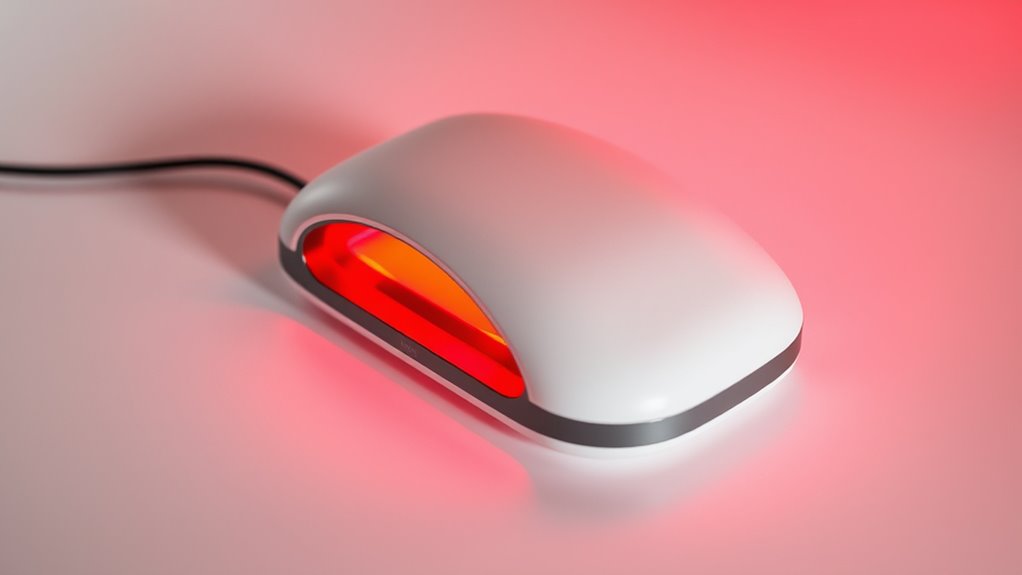
Red light therapy uses low-level red or near-infrared light to stimulate your cells, promoting healing, skin rejuvenation, and pain relief. It’s a safe, non-invasive treatment popular for reducing inflammation, improving skin tone, and supporting recovery from workouts or injuries. While generally safe, overuse can cause minor side effects like skin redness or eye discomfort. To learn the full benefits and how to use it safely, keep exploring what experts say about this innovative therapy.

Get wellness gear delivered free — and shop member deals
- Fast, free delivery on millions of items
- Access to Prime Big Deal Days deals on October 6–7
- Prime Video, Amazon Music and more included
Key Takeaways
- Red light therapy uses low-level red or near-infrared light to stimulate cellular activity and promote healing.
- It offers benefits like skin rejuvenation, pain relief, reduced inflammation, and improved tissue repair.
- The therapy is generally safe, but potential risks include skin irritation, eye discomfort, and overuse effects.
- Proper device calibration, session duration, and protective measures are essential for safe, effective treatment.
- Suitable for skin issues, chronic pain, and inflammation, with professional guidance recommended for optimal results.
How Red Light Therapy Works
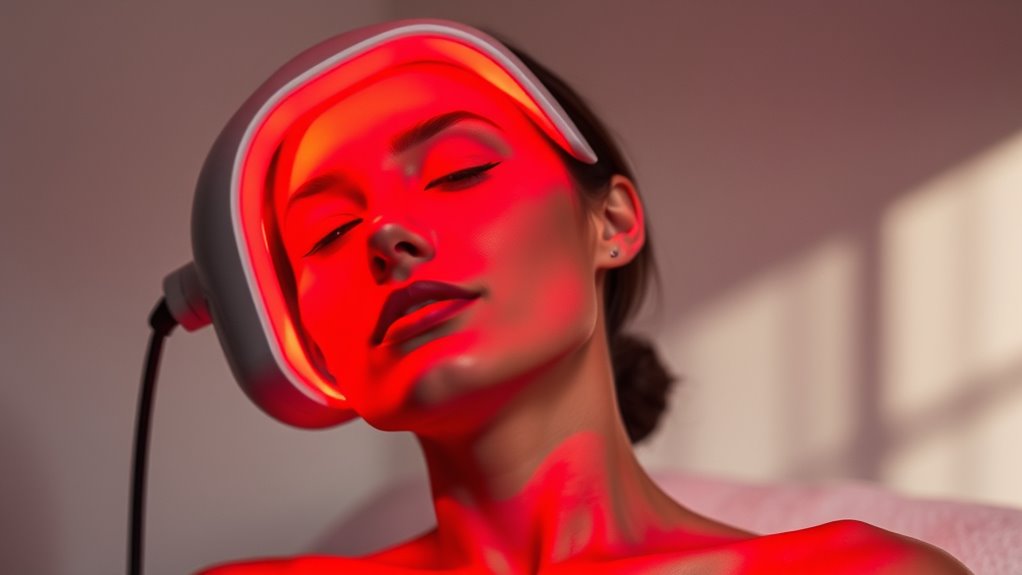
Red Light Therapy works by exposing your skin to low levels of red or near-infrared light, which penetrates deep into your tissues. This light penetrates the skin through light infiltration, reaching underlying cells. Once inside, it stimulates cellular activity by encouraging the production of ATP, the energy source for your cells. This process, known as cellular stimulation, boosts cell function and promotes healing. As your cells become more active, they repair tissue, reduce inflammation, and improve circulation. Because the therapy targets cells directly, it’s effective for a variety of skin and tissue issues. The depth of light penetration ensures that even deeper tissues benefit from this process, making red light therapy a powerful tool for regeneration and recovery. Additionally, research suggests that this targeted light exposure can support energy management in cells, further enhancing healing outcomes. Moreover, the non-invasive nature of red light therapy makes it a safe option for many individuals seeking alternative treatments for various health concerns.
Common Uses and Applications
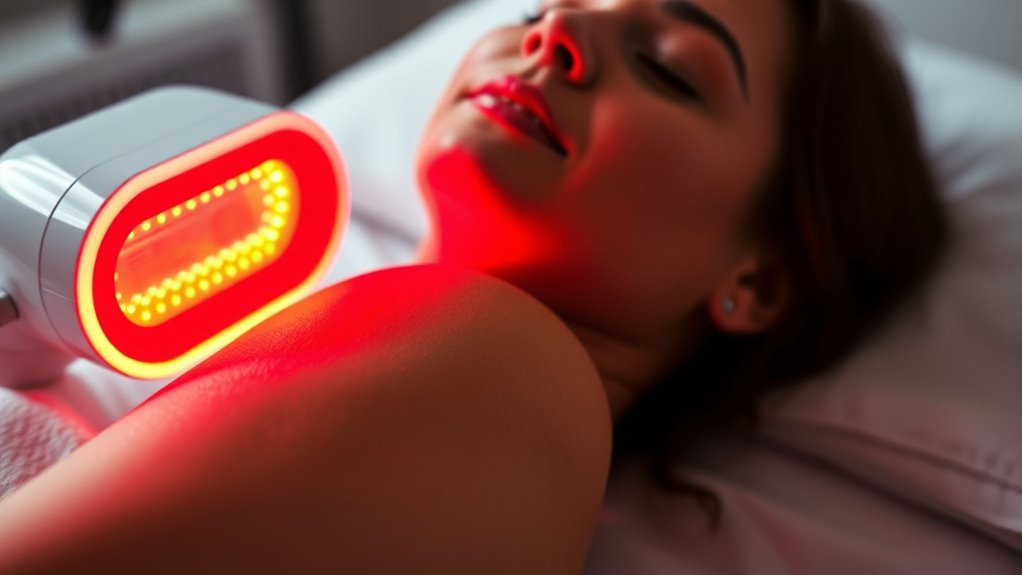
Red Light Therapy is widely used to treat a variety of skin conditions, such as acne, scars, and signs of aging, because it promotes faster healing and rejuvenation. Many people incorporate it into cosmetic treatments to improve skin tone and texture without invasive procedures. Athletes also use red light therapy to enhance recovery after workouts, reducing inflammation and muscle soreness. Its applications extend to both skincare routines and sports medicine, making it versatile for different needs. You might find it helpful for boosting collagen production or speeding up tissue repair. Since it’s non-invasive and generally safe, many turn to red light therapy as a complementary option for maintaining skin health and supporting physical performance. Its growing popularity reflects its broad utility across beauty and fitness domains. Additionally, ongoing research suggests that light therapy may also have benefits for mood and overall well-being. Understanding light therapy mechanisms can help individuals make informed decisions about integrating it into their health routines, especially as scientific understanding of cellular responses to light continues to expand.
Potential Benefits of Red Light Therapy
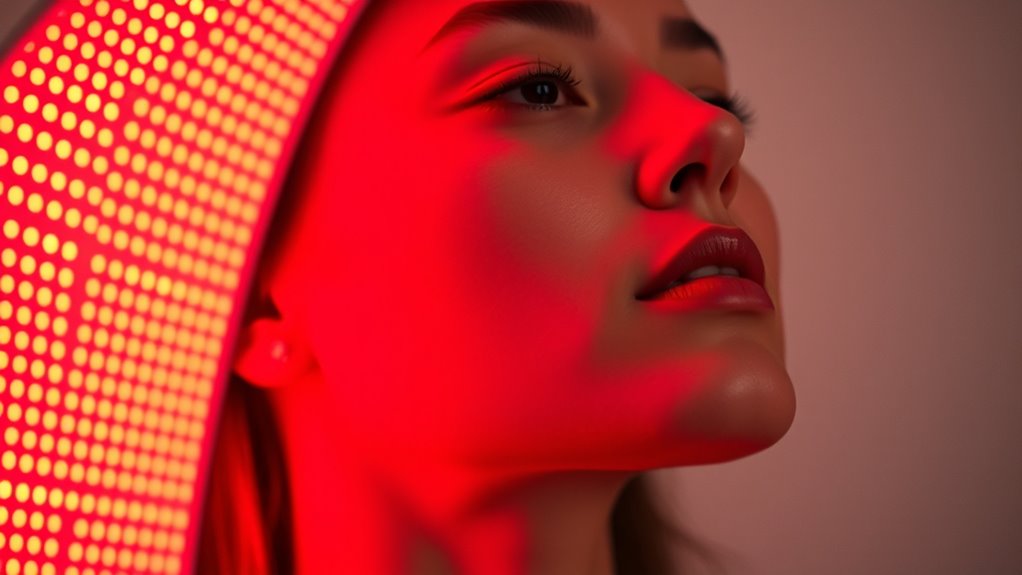
Have you ever wondered how light can improve your health and appearance? Red light therapy offers a promising alternative therapy that may enhance various aspects of your well-being. Many people turn to it as a complementary treatment option for skin rejuvenation, reducing inflammation, and alleviating pain. It’s non-invasive, painless, and easy to incorporate into your routine, making it an attractive choice for those seeking natural healing methods. Some users report improved skin tone, faster healing, and decreased joint discomfort. While it shouldn’t replace traditional treatments, red light therapy can serve as a helpful addition to your overall health approach. Its potential benefits make it a popular option among individuals exploring new treatment options for common health concerns. Non-invasive treatments like red light therapy are increasingly favored for their minimal risk and ease of use. Additionally, the safety of these therapies is supported by their non-invasive nature and low incidence of side effects. Incorporating modern treatment methods such as red light therapy reflects a broader trend toward non-invasive options in healthcare. Advances in light-based therapies continue to show promising results, further supporting their role in holistic health strategies.
Scientific Evidence Supporting Its Effectiveness

Numerous clinical studies have investigated the effectiveness of red light therapy, providing evidence that supports its use for various health concerns. While some results are promising, it’s important to contemplate that the placebo effect can influence perceived improvements. Scientific research shows that controlled trials often find measurable benefits, such as reduced inflammation and faster wound healing. However, not all evidence is conclusive, and anecdotal evidence may overstate results. To better understand its potential, think about these points: 1. Multiple peer-reviewed studies demonstrate positive outcomes for skin rejuvenation. 2. Research suggests benefits in joint pain relief, supported by randomized controlled trials. 3. Evidence for hair growth is promising but varies among individuals. 4. Scientific data remains limited on long-term effects and ideal treatment protocols. Additionally, innovations like flat iron bikes are exploring alternative energy sources, which could influence future health and wellness technologies. Scientific research methods continue to evolve, improving the reliability of findings in this field, ensuring that future studies are more rigorous and comprehensive. A deeper understanding of clinical trial design can help interpret the results more accurately, especially as new research methodologies emerge.
Possible Risks and Side Effects

While red light therapy can offer benefits, it’s important to be aware of potential risks. You might experience skin irritation or eye discomfort if you’re not careful, and overusing the therapy could lead to unwanted side effects. Staying informed helps you use red light therapy safely and effectively. Additionally, understanding the science behind light therapy can help you make more informed decisions about its use. For example, some individuals may experience skin sensitivity or other reactions based on their unique health conditions. Moreover, factors like color temperature adjustments can influence the safety and efficacy of treatment, especially considering the Gold IRA Markets that emphasize transparency and informed investing. Being aware of possible side effects helps ensure you maximize benefits while minimizing risks.
Skin Irritation Risks
Despite its many benefits, red light therapy can sometimes cause skin irritation or adverse reactions. You might experience cosmetic reactions such as redness, swelling, or itchiness after treatment. In some cases, allergy risks increase, especially if you’re sensitive to light or have pre-existing skin conditions. To minimize these risks, watch for signs of irritation and avoid overexposure. Here are four common skin irritation risks:
- Redness and inflammation
- Skin dryness or peeling
- Allergic reactions like hives or rash
- Increased sensitivity or discomfort during sessions
While generally safe, these side effects highlight the importance of monitoring your skin’s response and consulting a healthcare provider if reactions worsen or persist. Additionally, understanding free floating concerns can help you better assess the safety of red light therapy. Proper filtration and adherence to recommended exposure times can further reduce risks of adverse effects. Being aware of pinball machine weight can also assist in managing equipment safety during device setup if using larger devices at home. Furthermore, choosing devices with appropriate safety features can help prevent unintended skin irritation. Ensuring that the device has proper skin contact and calibration can also enhance safety and effectiveness.
Eye Safety Concerns
Although red light therapy offers many benefits, exposing your eyes directly to intense or prolonged light can pose risks. To guarantee your vision safety, it’s vital to use proper eye protection during treatment sessions. Direct exposure to bright red or near-infrared light may cause discomfort or temporary visual disturbances. In some cases, intense light can damage the retina if safety precautions aren’t followed. Wearing protective goggles or shields helps minimize these risks and shields your eyes from unnecessary strain. Even if you don’t experience immediate discomfort, prolonged exposure without protection can lead to potential eye issues over time. Always follow manufacturer guidelines and consult a professional if you’re unsure about safe practices. Prioritizing eye safety ensures you can enjoy the benefits of red light therapy without compromising your vision.
Potential Overuse Effects
Red light therapy is generally safe when used correctly, but overuse can lead to unwanted side effects. Ignoring proper dosage guidelines and treatment frequency may cause issues like skin irritation, eye strain, headaches, or fatigue. To avoid these risks, stick to recommended session lengths and intervals. Overdoing it might impair your skin or cause discomfort, especially if you increase treatment frequency without guidance. Always follow the manufacturer’s instructions and consult a professional if unsure. Remember, moderation is key to maximizing benefits without risking side effects. Monitoring your response helps ensure safe and effective therapy. Properly managing your red light exposure protects you from the potential overuse effects and enhances your overall experience.
Who Should Consider Trying Red Light Therapy

If you’re dealing with skin concerns, chronic pain, or inflammation, red light therapy might be worth trying. It’s often suitable for a wide range of ages, but age considerations are important—older adults may see benefits for joint pain or skin rejuvenation. Younger individuals with skin issues like acne or scars could also find it helpful. Your skin type plays a role; those with lighter skin may experience more noticeable results, but darker skin types can still benefit with proper treatment. If you’re looking for a non-invasive option to improve skin health or reduce discomfort, red light therapy is worth exploring. However, consult a healthcare professional to determine if it’s appropriate for your specific needs and circumstances.
Tips for Safe and Effective Use
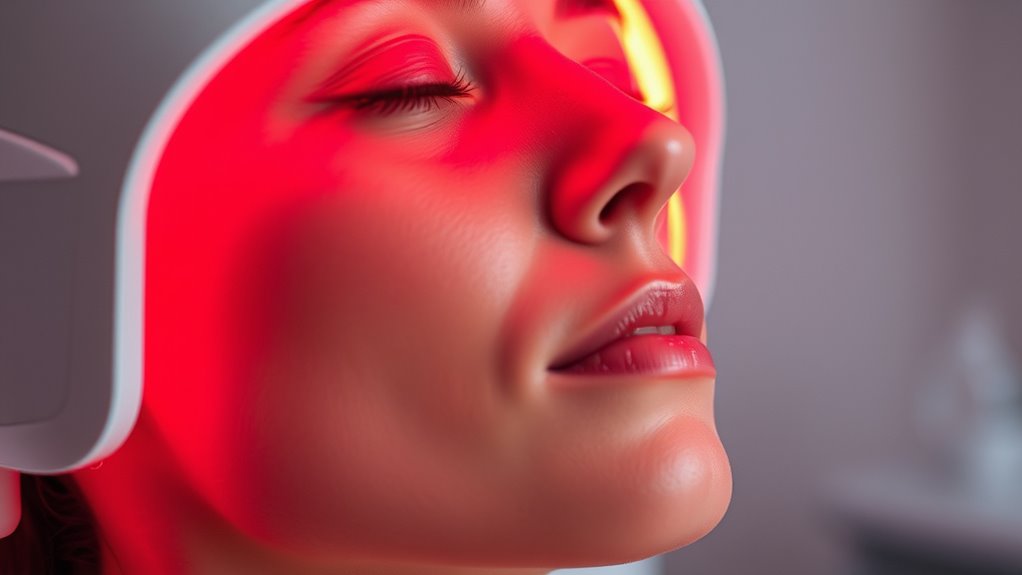
To maximize the benefits of red light therapy while minimizing risks, it’s essential to follow some key safety and effectiveness tips. First, verify your device is properly calibrated for consistent light intensity. Second, stick to recommended session durations; overdoing it can cause irritation or diminish results. Third, consider the timing between sessions—typically 24 to 48 hours—to allow your skin to recover. Fourth, always follow the manufacturer’s instructions and consult a healthcare professional if you have concerns. Proper device calibration guarantees you’re receiving the right light levels, while managing session duration ensures safe, effective treatment. By paying attention to these tips, you’ll optimize your red light therapy experience and reduce potential risks.
Frequently Asked Questions
How Long Does Each Red Light Therapy Session Typically Last?
Each red light therapy session usually lasts about 10 to 20 minutes, depending on your treatment goals and device specifications. You might worry about overdoing it, but keeping sessions within this range is safe. For ideal results, follow recommended treatment frequency, often 3 to 5 times per week. Consistency is key, so sticking to your schedule helps maximize benefits without risking overexposure.
Can Red Light Therapy Replace Traditional Medical Treatments?
Red light therapy isn’t a substitute for traditional medical treatments. While it’s a promising alternative treatment for certain conditions, it has therapy limitations and shouldn’t replace professional care. You should consult your healthcare provider before relying solely on red light therapy, especially for serious issues. Use it as a complementary approach alongside conventional treatments, not as a complete replacement, to ensure safe and effective care.
Are There Specific Skin Conditions That Respond Better to Red Light Therapy?
Think of red light therapy as a gentle gardener tending your skin’s garden. You’ll find it particularly effective for skin conditions like acne, where it acts as a soothing rain encouraging skin regeneration. People with inflammatory skin issues often see faster healing, while those battling persistent acne benefit from reduced inflammation and clearer complexion. While it’s no magic wand, red light therapy can be a valuable tool for nurturing healthier, more radiant skin.
Is Red Light Therapy Effective for Pain Relief in Chronic Conditions?
Yes, red light therapy can be effective for pain relief in chronic conditions. It works through phototherapy applications by stimulating cellular activity and reducing inflammation. You’ll find that proper light wavelength selection is essential; wavelengths between 620-750 nm penetrate tissues effectively, easing pain and promoting healing. Regular sessions may help manage chronic pain, making it a promising, non-invasive option for long-term relief.
How Often Should I Undergo Red Light Therapy for Optimal Results?
Think of red light therapy like watering a plant—you need the right schedule to see growth. Usually, you should undergo treatments 3 to 5 times a week initially, then reduce frequency as your condition improves. Follow the frequency guidelines and treatment scheduling advised by your provider, and listen to your body’s response. Consistency is key, so stick to your routine for ideal results and better long-term benefits.
Conclusion
Red light therapy offers a promising glow of hope for many, but like any tool, it’s not without its shadows. By understanding how it works, its benefits, and potential risks, you can make informed decisions that brighten your health journey. Think of it as a gentle sunrise—powerful yet gentle—guiding you toward wellness. Always consult with a professional to confirm it’s the right fit, and let this innovative treatment be a beacon, lighting your path to better health.
Fall Picks
fall essentials
As an affiliate, we earn on qualifying purchases.