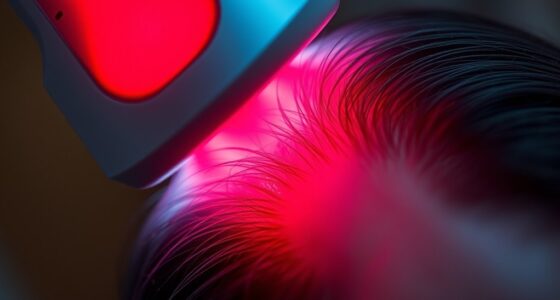

Red light therapy can boost your exercise performance and speed up recovery by stimulating cellular activity, reducing inflammation, and improving blood flow to your muscles. It helps your muscles recover faster from workouts, reduces soreness, and makes them stronger over time. This safe, non-invasive treatment supports tissue repair and enhances circulation, so your body heals naturally and more efficiently. Keep exploring to discover how incorporating it into your routine can benefit your fitness journey even further.
Key Takeaways
- Red light therapy stimulates cellular activity, promoting muscle regeneration and tissue repair, which can enhance recovery after exercise.
- It reduces inflammation and soreness, enabling quicker recovery and decreasing downtime between workouts.
- Improves blood circulation, delivering oxygen and nutrients essential for muscle healing and increased endurance.
- Supports muscle strength and resilience over time by encouraging healthy cell production and tissue regeneration.
- Regular use complements training routines, helping athletes recover faster and potentially improve overall exercise performance.

Have you ever wondered how red light therapy might enhance your workout? It’s a growing trend among athletes and fitness enthusiasts alike, promising faster recovery and improved performance. When you incorporate red light therapy into your routine, you’re tapping into its ability to support muscle regeneration and reduce inflammation. These effects can make a noticeable difference, especially when you’re pushing your body hard during training or recovering from intense sessions.
Red light therapy works by penetrating your skin at specific wavelengths, stimulating cellular activity in your muscles and tissues. This stimulation promotes muscle regeneration by encouraging the production of new, healthy cells. As your muscles recover, they become stronger and more resilient, which can translate into better performance over time. The therapy also helps to accelerate the repair process after workouts, allowing you to get back to training sooner. It’s like giving your muscles a gentle boost, helping them bounce back faster and more efficiently.
Red light therapy stimulates cellular activity to boost muscle recovery and performance.
Inflammation reduction is another key benefit that makes red light therapy appealing for active individuals. After exercise, your muscles often become inflamed, leading to soreness and fatigue that can hinder your next workout. Red light therapy helps to calm this inflammation by decreasing the production of pro-inflammatory compounds and increasing the release of anti-inflammatory cytokines. This dual action helps reduce soreness and swelling, easing your recovery process. As a result, you might find yourself feeling less sore and more ready to hit your next workout, even after particularly intense sessions.
Using red light therapy regularly can also improve blood circulation in your muscles, which supports both muscle regeneration and inflammation reduction. Better blood flow delivers oxygen and nutrients more efficiently to your tissues, speeding up healing and removing waste products that contribute to soreness. Over time, this can lead to enhanced endurance and strength, as your muscles stay healthier and recover more quickly.
Incorporating red light therapy into your exercise routine isn’t complicated. You can use specialized devices at home or visit clinics that offer it. Consistency is key—regular sessions can help you maximize the benefits, making your workouts more effective and recovery periods shorter. While it’s not a replacement for proper nutrition, hydration, and rest, red light therapy can be a valuable addition to your overall fitness strategy. If you’re looking for a way to optimize your muscle recovery and reduce inflammation, trying out red light therapy might just give you the edge you need to reach your goals faster.
Additionally, consistent use of red light therapy can support your body’s natural cellular activity, which plays a crucial role in overall recovery and performance.
Frequently Asked Questions
How Quickly Can I See Results From Red Light Therapy?
You might notice visible improvements from red light therapy within a few sessions, often around 1 to 4 weeks, depending on your specific goals and consistency. Your performance timeline varies, but many users report enhanced recovery and reduced soreness after regular treatments. To see the best results, stay consistent with your sessions, as continued use helps optimize benefits and accelerates your progress toward improved exercise performance and recovery.
Are There Any Side Effects From Red Light Therapy?
You might experience some potential skin irritation or redness after red light therapy, but it’s usually mild and temporary. Be mindful of eye safety considerations—avoid staring directly into the light, and consider wearing protective goggles if recommended. Overall, side effects are rare, but if you notice persistent discomfort or irritation, it’s best to consult a healthcare professional to guarantee safe use.
Can Red Light Therapy Replace Traditional Recovery Methods?
Think of red light therapy as a helpful sidekick rather than a superhero replacing traditional recovery methods. While it can boost healing and reduce soreness, it shouldn’t stand alone. For example, I once used it alongside stretching and rest, and my recovery improved noticeably. Compared to traditional therapy, red light therapy offers an alternative recovery method, but combining it with proven practices maximizes results rather than replacing them entirely.
Is Red Light Therapy Effective for All Fitness Levels?
Red Light Therapy can be effective across all fitness levels, but its benefits depend on proper therapy customization. As you progress, your fitness adaptation may influence how you respond to the treatment, so adjusting the wavelength, intensity, and duration is key. By tailoring the therapy to your specific needs, you maximize recovery and performance, regardless of where you’re starting from. Always listen to your body and consult professionals to optimize results.
What Is the Optimal Duration and Frequency for Sessions?
For ideal results, aim for red light therapy sessions lasting about 10 to 20 minutes, two to three times a week. Consistency is key, so stick to this session length and frequency to see benefits. You’ll want to adjust based on your response, but maintaining regular, moderate sessions helps improve recovery and performance. Find a routine that fits your schedule, and stay committed to experience the most effective outcomes.
Conclusion
Red light therapy acts like a silent conductor, guiding your body’s natural recovery and boosting performance. By illuminating your muscles with gentle, targeted light, you set the stage for faster healing and improved endurance. While it’s not a magic wand, it’s a promising tool that can help you fine-tune your workout symphony. Keep experimenting, and let this innovative therapy become a steady rhythm in your athletic journey. Ultimately, it’s about tuning your body for peak harmony and resilience.