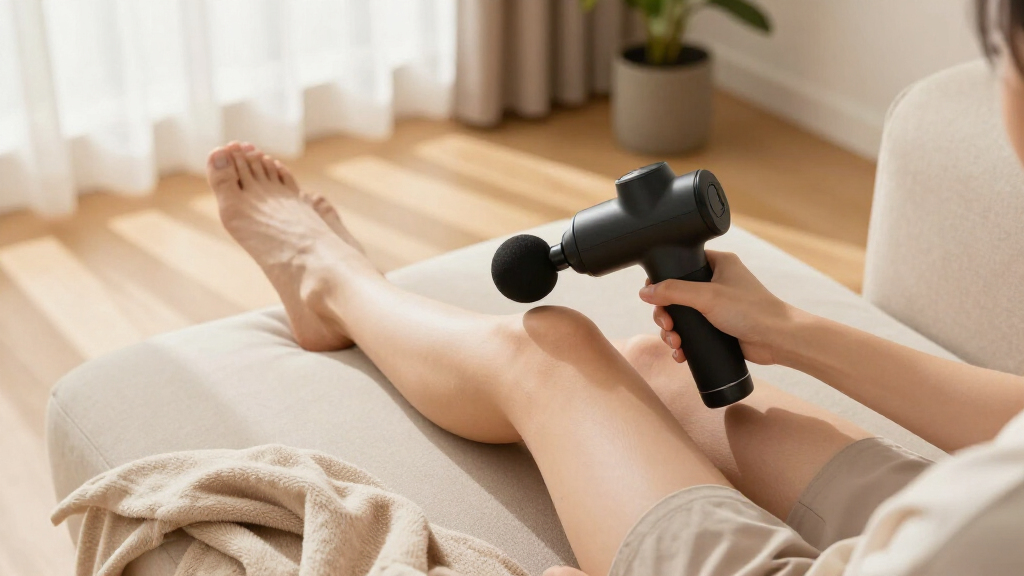
TL;DR

Get wellness gear delivered free — and shop member deals
- Fast, free delivery on millions of items
- Access to Prime Big Deal Days deals on October 6–7
- Prime Video, Amazon Music and more included
Massage guns offer quick, targeted relief for muscle tightness and soreness. While they don’t replace professional therapy, choosing the right device and using it properly can support your wellness routine. Evidence for long-term recovery benefits remains limited.
Imagine a device that fits in your hand, vibrating against your muscles, easing tension in minutes. That’s the promise of at-home massage guns. These percussive tools are everywhere, marketed to help you warm up, recover, and feel better between workouts.
But do they really work? And more importantly, how should you use them safely? This guide will walk you through what makes a good massage gun, how to use it properly, and what results you can realistically expect. No hype, just straightforward advice to support your everyday wellness.
Choose a massage gun that’s comfortable to hold, quiet, and has adjustable settings.
Use the device on fleshy muscle areas, starting at low speed and light pressure.
Limit sessions to 1-2 minutes per muscle to avoid bruising or discomfort.
Avoid sensitive areas like the face, neck, spine, or injured spots.
Remember: massage guns can help temporarily but aren’t a substitute for medical advice or treatment.
What Exactly Is an At-Home Massage Gun? And How Does It Work?
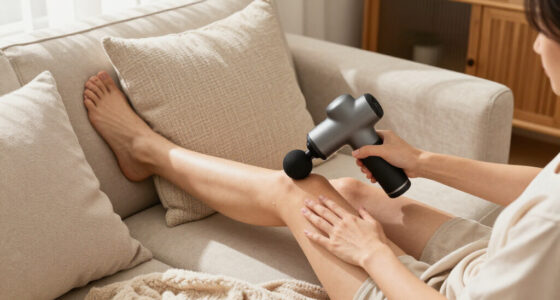
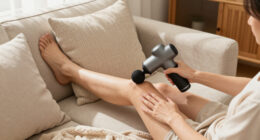
At-home massage guns are handheld devices equipped with a motor that rapidly moves a small attachment against your muscles. Think of it as a mini percussive therapy tool, similar to what therapists use but designed for everyday use.
They generate a series of quick, repetitive taps—sometimes called percussive or vibrational therapy—that help loosen tight muscles, boost circulation, and temporarily reduce soreness. For example, imagine pressing a vibrating massage stick against your calf after a long run; that’s essentially what a massage gun does, but with adjustable speed and intensity.
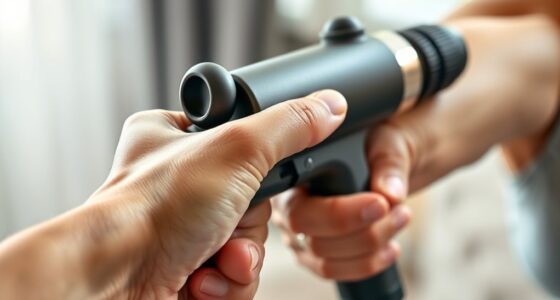
Most models feature different attachments—round balls, flat pads, or specialty shapes—that target various muscle groups. The motor inside can produce anywhere from 1,000 to 3,200 percussions per minute, depending on the device. While they don’t replace a professional massage, they’re designed to give you targeted relief at home, anytime you need it.
The importance of understanding how these devices work lies in their ability to deliver rapid, localized impacts that can influence muscle tissue. The mechanical action increases blood flow, which can help reduce muscle stiffness and promote recovery. However, because this impact is concentrated and repetitive, improper use—such as applying too much pressure or staying on one spot too long—can cause bruising or tissue damage. Recognizing how the device interacts with your muscles allows you to use it more safely and effectively, optimizing benefits while minimizing risks.
handheld massage gun for muscle recovery
As an affiliate, we earn on qualifying purchases.
As an affiliate, we earn on qualifying purchases.
How to Pick the Right Massage Gun for Your Home Routine
Choosing a massage gun can feel overwhelming with so many options. Focus on these key features:
- Weight and grip: You want something comfortable to hold, not a sledgehammer. Many good models weigh under 2.5 pounds, making them easy to maneuver.
- Noise level: Quiet motors mean you can use them during work or while watching TV without disturbing others. Look for models with decibel ratings below 50-60 dB.
- Battery life: Aim for at least 2 hours of use per charge. Many devices have removable batteries, so you can swap in a spare if needed.
- Adjustable speed: Multiple settings let you customize intensity. Beginners might start at low, while athletes may prefer high percussions for deep tissue work.
- Attachments: A variety of shapes can target different muscles—round for large areas, bullet for pinpoint spots, flat for broad surfaces.
Beyond these features, consider how each aspect impacts your experience. For example, a lightweight device enhances ease of use, encouraging consistent application, which is crucial for seeing benefits. Quiet operation allows use in shared spaces, making it more integrated into your routine. Adjustable speeds and versatile attachments give you control, enabling tailored treatments for different muscle groups or soreness levels. Weighing these considerations helps you select a device that fits your needs and encourages regular, safe use, which is essential for any potential benefits to materialize.
Remember, more power or attachments doesn’t always mean better. Comfort and ease of use matter too, because if a device is cumbersome or noisy, you’re less likely to use it consistently and correctly.
quiet at-home percussion massage gun
As an affiliate, we earn on qualifying purchases.
As an affiliate, we earn on qualifying purchases.
The Best Ways to Use Your Massage Gun Safely and Effectively
Using a massage gun the right way can make all the difference. Here’s a simple step-by-step guide:
- Start slow: Begin with the lowest speed setting and a light pressure. Test how your muscles respond.
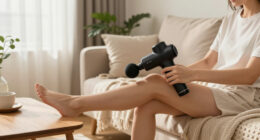
- Target the fleshy parts: Focus on muscles, not bones or joints. For example, gently work over your thigh instead of the knee cap.
- Use short sessions: Limit each area to 1-2 minutes. Keep the device moving to avoid bruising or numbness.
- Listen to your body: Stop immediately if you feel pain, numbness, or discomfort. Never press hard into a spot or stay in one place too long.
- Follow manufacturer instructions: Each model has specific recommendations. Stick to those for safety.
Proper technique is essential because it ensures that the mechanical impact of the device stimulates blood flow and muscle relaxation without causing harm. For example, applying too much pressure or staying in one spot for too long can lead to bruising or tissue irritation. Using the device on fleshy muscle areas rather than bony prominences minimizes discomfort and reduces injury risk. Additionally, understanding your body’s signals helps prevent overuse or exacerbating existing issues. When you follow these guidelines, you maximize the therapeutic potential of your massage gun while safeguarding your health, making it a more effective and enjoyable part of your routine.
Always avoid sensitive areas like the front of your neck, face, spine, or areas with wounds or swelling.
“A massage gun is a tool, not a magic wand. Use it with care and listen to your body.”
As an affiliate, we earn on qualifying purchases.
What Latest Trends Are Shaping the Home Massage Gun Market?
New features are constantly rolling out, but do they mean better results? Recent trends focus on convenience and comfort. For example:
- Quieter motors: Devices now operate at whisper-quiet levels, making them discreet and less disruptive.
- Lightweight, portable designs: Smaller, travel-friendly models fit easily into gym bags or desk drawers.
- App connectivity: Some brands offer companion apps with preset routines, timers, or guided stretches.
- Added features: Heated or cooled attachments aim to enhance comfort, but their effect on relief is still unproven.
While these innovations improve usability and comfort, they don’t necessarily translate into better therapeutic outcomes. Quieter motors and lightweight designs make the device more user-friendly, which can encourage consistent use—an important factor in any potential benefits. App integrations can help guide proper technique and routines, but they don’t replace understanding your body’s responses. Heated or cooled attachments may provide additional sensory comfort, but current evidence doesn’t confirm they enhance muscle recovery. Staying informed about these trends allows you to choose a device that fits your lifestyle while managing expectations about what these features can realistically deliver.
massage gun attachments for deep tissue
As an affiliate, we earn on qualifying purchases.
As an affiliate, we earn on qualifying purchases.
Common Questions About At-Home Massage Guns Answered
People ask me all the time: do massage guns really work? The honest answer: they can provide short-term relief from tightness and soreness, but their ability to speed recovery or prevent injuries is limited. Here are some quick facts:
- Do they work? They may help temporarily loosen muscles and improve flexibility, but scientific evidence for long-term benefits is scarce. The mechanical impact can stimulate blood flow and reduce immediate tightness, but these effects are often short-lived. The implication is that while helpful for immediate relief, relying solely on massage guns for recovery may not produce lasting improvements without other interventions.
- Are they safe? When used properly, they’re generally safe. Avoid sensitive areas or if you have health issues like circulation problems or blood clots. Misuse—such as excessive pressure or prolonged application—can cause bruising or tissue damage, underscoring the importance of understanding your limits and following guidelines.
- How long should I use one? Usually 1-2 minutes per muscle, start on low, and increase gradually. Stop if discomfort worsens. Overuse can lead to tissue irritation or soreness, so moderation and listening to your body are key to safe, effective use.
- Can I use daily? Some do, but listen to your body. Daily use isn’t necessary for everyone—just use as needed. Overdoing it may lead to diminishing returns or tissue fatigue, so assess how your muscles respond over time.
- Best attachment for soreness? Usually the rounded or flat head works well for large muscle groups, but personal preference matters. Different attachments target different tissues, and experimenting can help identify what provides the most relief for your specific needs.
For example, if you’re sore after a workout, a 2-minute gentle pass on your quads can help ease tightness. But persistent pain or numbness? That’s a sign to see a healthcare professional. Recognizing when relief is temporary versus when professional help is needed ensures safe and effective use.
Conclusion
Think of an at-home massage gun as a helpful tool in your wellness kit, not a magic cure. When used carefully, it can make tight muscles feel looser and soreness more manageable.
But always respect your body’s signals. A quick, gentle session might be just what you need to feel better—no hype, just simple support for your active life.
Fall Picks
fall essentials
As an affiliate, we earn on qualifying purchases.