
Deep tissue massage and percussion therapy both aim to penetrate deep into muscles, but they do so differently. Manual massage uses targeted, firm pressure to reach trigger points and knots, while percussion therapy delivers rapid vibrations that can quickly loosen tight spots. Generally, percussion therapy penetrates more evenly and comfortably, making it effective for quick relief. Want to find out which method suits your needs best? Keep exploring to uncover more details.
Key Takeaways
- Deep tissue massage manually targets deeper muscle layers with firm, deliberate strokes, allowing precise penetration.
- Percussion therapy uses high-frequency vibrations to mechanically reach deep tissues quickly and effectively.
- Manual massage provides tailored pressure and focus, while percussion delivers consistent, rapid pulses for broader coverage.
- Both methods effectively reach trigger points, but manual techniques allow more precise targeting of problem areas.
- Percussion therapy generally penetrates deeper and more comfortably through mechanical vibrations than manual deep tissue massage.

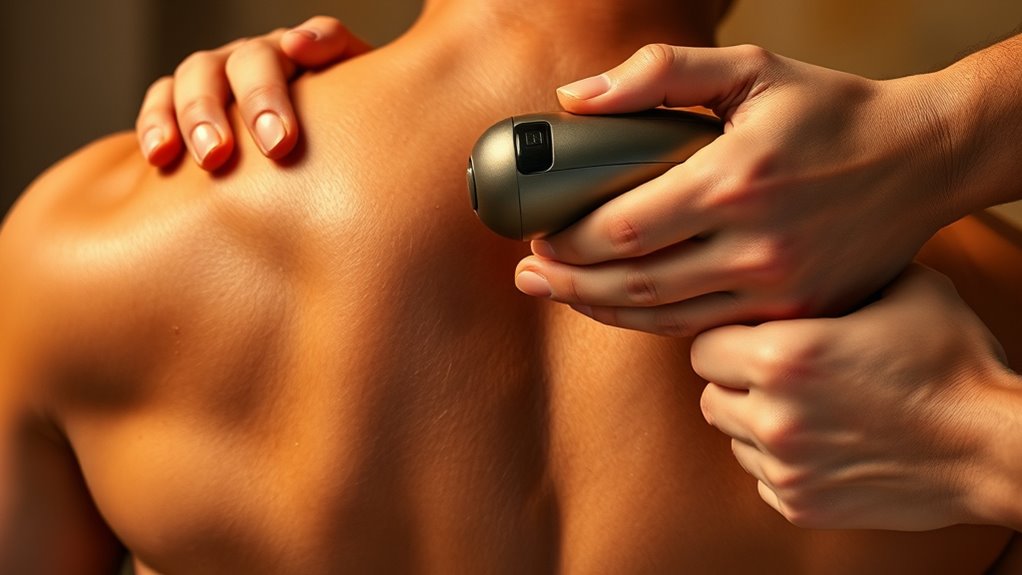
When it comes to relieving muscle tension and promoting recovery, both deep tissue massage and percussion therapy offer effective options, but they differ markedly in technique and intensity. If you’re dealing with stubborn knots or chronic tightness, understanding how each method targets trigger points and encourages muscle relaxation can help you choose the best approach. Deep tissue massage uses slow, deliberate strokes and firm pressure to reach the deeper layers of muscle and fascia. It’s especially effective at breaking up adhesions and releasing trigger points—those tight, tender spots that often cause pain and limit movement. When applied correctly, deep tissue massage can help dissolve these knots, leading to improved blood flow and greater muscle relaxation. You might feel some discomfort during the session, but that’s often a sign that the therapist is working on those problematic areas. Once the trigger points loosen, you typically experience a significant reduction in pain and increased mobility. Additionally, consistent use of massage techniques can help maintain muscle health and prevent future pain.
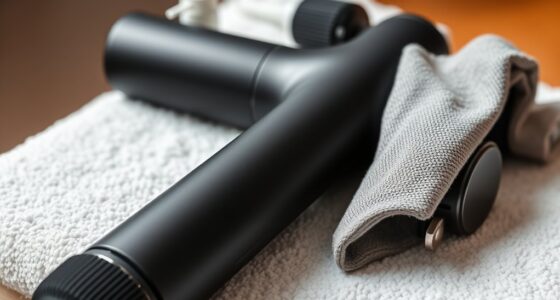
Percussion therapy, on the other hand, involves rapid, rhythmic tapping or pounding motions delivered by a handheld device. Its high-frequency vibrations penetrate deeply into muscle tissue, targeting areas of tension quickly and efficiently. Because of its mechanical action, percussion therapy can reach trigger points just as effectively as manual techniques but with less effort on your part. The rapid pulses stimulate blood flow and help reduce muscle soreness, making it ideal for athletes or individuals with tight, overused muscles. Many users find percussion therapy particularly effective at inducing muscle relaxation without the discomfort sometimes associated with deep tissue massage. You’ll notice a loosening of tight spots, often within just a few minutes of treatment, and it can be a great way to accelerate recovery after intense workouts. Unlike manual methods, percussion devices can be easily used at home, providing convenient ongoing relief.
While both techniques can reach trigger points and promote muscle relaxation, they do so through different mechanisms. Deep tissue massage relies on skilled hands to manipulate tissue and manually release knots, which can be more targeted but also more intense. Percussion therapy uses mechanical vibrations that deliver consistent, rapid pulses, making it less invasive and easier to administer. If you prefer a more hands-on, personalized approach, deep tissue massage might suit you best. If you’re seeking quick relief or a less intense option, percussion therapy could be more appealing. Ultimately, both methods are effective at penetrating muscle layers and relieving trigger points, but your choice depends on your comfort level, specific needs, and recovery goals.
Frequently Asked Questions
Can Percussion Therapy Replace Deep Tissue Massage Entirely?
Percussion therapy can’t fully replace deep tissue massage because it offers different massage effectiveness and therapy accessibility. While percussion devices target muscle knots and promote circulation quickly, a deep tissue massage provides more thorough relief and relaxation. You might find percussion therapy more convenient, but for complete muscle health and stress relief, combining both methods is often your best option. Each therapy complements the other, depending on your needs.
How Do Costs Compare Between Deep Tissue Massage and Percussion Therapy?
You’ll find that percussion therapy sessions typically cost between $30 and $80 per session, while deep tissue massages range from $60 to $120. The cost comparison shows percussion therapy is more affordable, especially if you consider frequent treatments. Insurance coverage varies—some plans cover deep tissue massages, but few cover percussion therapy. Check your policy to see what’s included, so you can choose the option that fits your budget best.
Are There Specific Injuries Better Treated With Percussion Therapy?
Yes, percussion therapy is often better for targeted therapy and injury recovery, especially for muscle knots, spasms, or deep tissue pain. It provides rapid, focused pulses that break up adhesions and promote blood flow. If you’re recovering from a sports injury or need precise relief, percussion therapy can deliver more effective, localized treatment. It’s ideal when you want a quick, targeted approach to aid your injury recovery process.
Is Percussion Therapy Safe for Pregnant Women?
Percussion therapy isn’t typically safe for pregnant women because it can be too intense and may disrupt pregnancy safety. You should absolutely avoid it unless your healthcare provider gives the green light. Always follow therapy precautions during pregnancy, and consult your doctor before trying any new treatments. It’s better to play it safe and choose gentle, approved options to protect you and your baby’s health.
How Long Does Each Therapy Typically Last for Optimal Results?
For ideal results, a deep tissue massage typically lasts 60 to 90 minutes, while percussion therapy sessions usually range from 10 to 30 minutes. The duration depends on your specific needs and goals. To maximize effectiveness, consider regular sessions—about once a week or as recommended by your therapist or practitioner. Consistency helps maintain benefits, improve recovery, and address persistent muscle tension effectively.
Conclusion
So, when it comes to penetrating deep into your muscles, percussion therapy might just be the superhero you never knew you needed, blasting away tension with the force of a freight train! But don’t underestimate the power of a skilled deep tissue massage—it’s like a master locksmith opening every tight knot. Whichever you choose, prepare for a mind-blowing level of relief that’ll leave you feeling like you’ve just been reborn—ready to conquer the world!