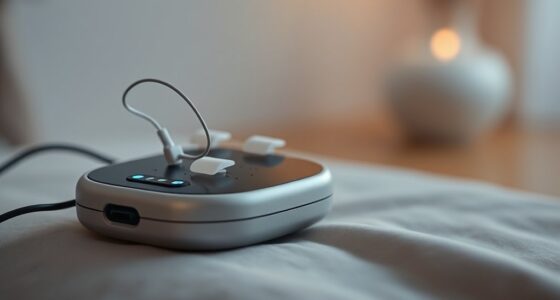
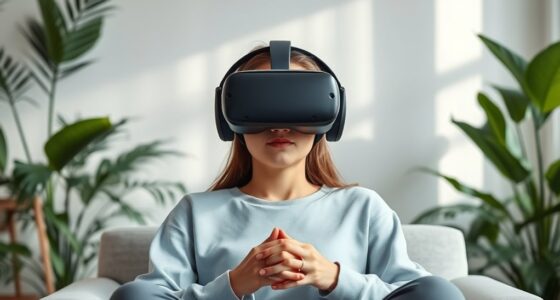
Wearable biofeedback devices can help calm anxiety by providing real-time data on your body’s stress signals, like heart rate and muscle tension. They guide you through relaxation exercises and breathing techniques, strengthening your mind-body connection. While their accuracy depends on calibration and proper use, many users experience reduced stress and greater control over their reactions. To discover how these devices work and whether they suit you, explore more about their benefits and limitations.

Get wellness gear delivered free with Prime
- Fast, free delivery on millions of items
- Prime Video, Amazon Music and more included
- Member-only deals all year
Key Takeaways
- Wearable biofeedback devices monitor physiological signals like heart rate variability to help recognize stress patterns.
- Real-time feedback from wearables enables users to practice relaxation techniques and regulate anxiety responses.
- Clinical studies show that consistent use of biofeedback wearables can significantly reduce stress and anxiety symptoms.
- Features such as guided breathing and mindfulness exercises enhance the calming effects of wearable biofeedback tools.
- Proper calibration and user engagement are essential for wearables to effectively support anxiety management.
wearable biofeedback device for stress relief
As an affiliate, we earn on qualifying purchases.
As an affiliate, we earn on qualifying purchases.
Understanding Biofeedback Technology and How It Works
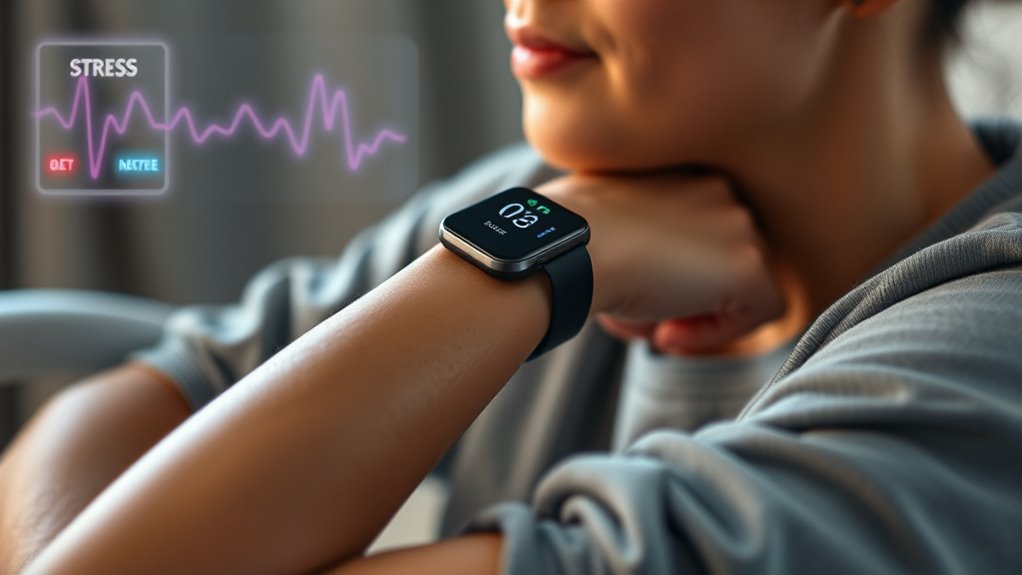
Biofeedback technology works by measuring your body’s physiological responses and providing real-time feedback, allowing you to gain awareness and control over stress-related functions. It often tracks heart rate variability (HRV), which reflects how well your autonomic nervous system regulates your body’s stress response. When your HRV is high, your body is better at adapting to stress, indicating a balanced autonomic nervous system. Conversely, low HRV suggests your system is dominated by stress or anxiety. By monitoring these signals, biofeedback devices help you recognize patterns and develop techniques to regulate your stress levels. This immediate feedback enables you to practice calming strategies, ultimately strengthening your autonomic nervous system and improving your ability to manage stress more effectively. Additionally, understanding heart rate variability (HRV) provides insight into your body’s resilience and recovery capacity, which can enhance your stress management strategies. Regular use of biofeedback can also improve piercing care and hygiene practices by encouraging mindfulness of bodily responses during healing. Engaging with biofeedback may also promote mind-body awareness, helping you connect physical sensations with emotional states for more holistic stress reduction. Incorporating vacuums for pet hair, for example, can help maintain a clean environment that reduces stress triggers related to allergens and pet dander. Moreover, utilizing biofeedback can foster self-regulation skills, empowering individuals to better cope with daily stressors.
heart rate variability monitor for anxiety
As an affiliate, we earn on qualifying purchases.
As an affiliate, we earn on qualifying purchases.
Different Types of Wearable Devices for Stress Management
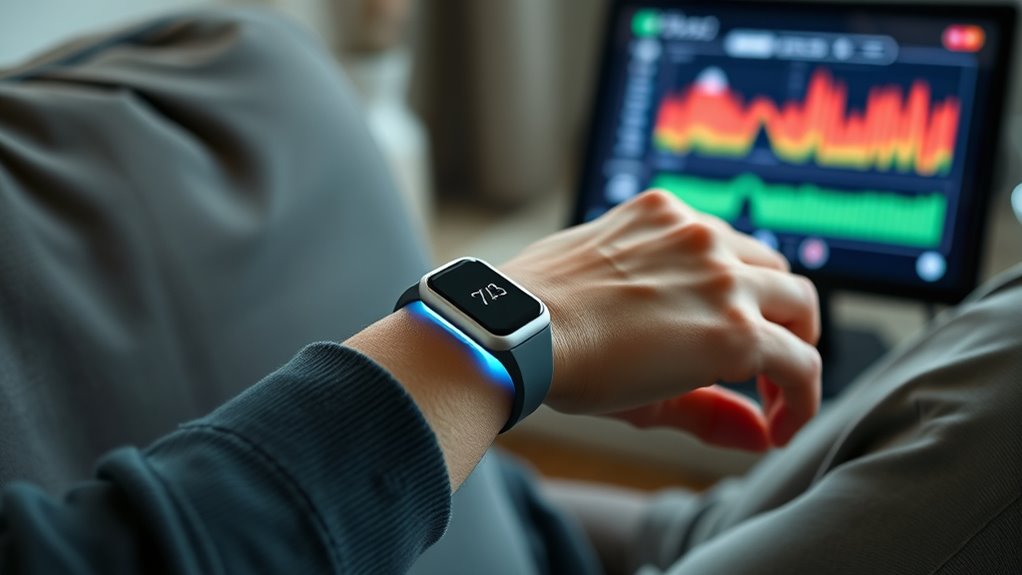
Wearable biosensors track your essential signs in real-time, giving you immediate feedback on your stress levels. Smart devices for relaxation incorporate these sensors to help you manage stress more effectively throughout the day. Understanding the different types of wearables can help you choose the right tool to support your stress relief efforts. When selecting a device, consider how these tools work and their suitability for your specific needs to ensure safe and effective use. For example, some devices utilize electric power generation technology to enhance monitoring capabilities and user interaction. Additionally, integrating smart home automation can optimize your environment to promote relaxation and reduce stress. Recognizing passive voice detection features in wearables can also improve the clarity of the feedback you receive. Exploring wearable sensor accuracy can further ensure that the data you rely on is precise and trustworthy.
Wearable Biosensors Overview
As technology advances, a variety of wearable biosensors have emerged to help you manage stress more effectively. These devices track physiological signals like heart rate, skin conductance, and respiration to provide real-time feedback. To guarantee accurate readings, sensor calibration is essential, especially when adjusting for movement or environmental factors. User comfort also plays a crucial role; lightweight designs and adjustable straps make prolonged wear easier. Here’s a quick overview:
| Device Type | Key Features |
|---|---|
| Wristbands | Continuous heart rate monitoring, comfort-focused |
| Patch Sensors | Discreet, skin-friendly, ideal for long-term use |
| Clip-on Devices | Easy attachment, versatile placement |
Choosing the right biosensor depends on your comfort and calibration needs for effective stress management. Additionally, sensor calibration is vital to ensure the data remains accurate over time.
Smart Devices for Relaxation
Smart devices designed for relaxation offer an accessible way to manage stress throughout your day. These wearables often incorporate mindfulness techniques and guided breathing exercises to help you stay centered. By tracking your physiological signals, such as heart rate and skin conductance, they provide real-time feedback that encourages calming practices. You can use them during quick breaks or in stressful moments to practice deep breathing or mindfulness meditation. Many devices also offer personalized prompts or alerts to remind you to pause and reset. With these tools, you actively engage in stress reduction, making relaxation techniques more consistent and effective. Additionally, some devices utilize energy-efficient cloud computing to process data securely and enhance user privacy. Modern wearable stress management devices also incorporate biometric sensors that enable more accurate monitoring of your physiological state. These sensors often include heart rate variability monitors, which provide insights into your stress levels and recovery. Integrating sustainable technology into these wearables helps promote eco-friendly practices and reduce environmental impact. Whether you’re at work, home, or on the go, these smart devices help you harness the power of breathing exercises and mindfulness to promote relaxation. These devices can also support reliable data privacy to ensure your sensitive information remains protected while you focus on stress relief.
guided breathing wearable for relaxation
As an affiliate, we earn on qualifying purchases.
As an affiliate, we earn on qualifying purchases.
The Science Behind Biofeedback and Anxiety Reduction
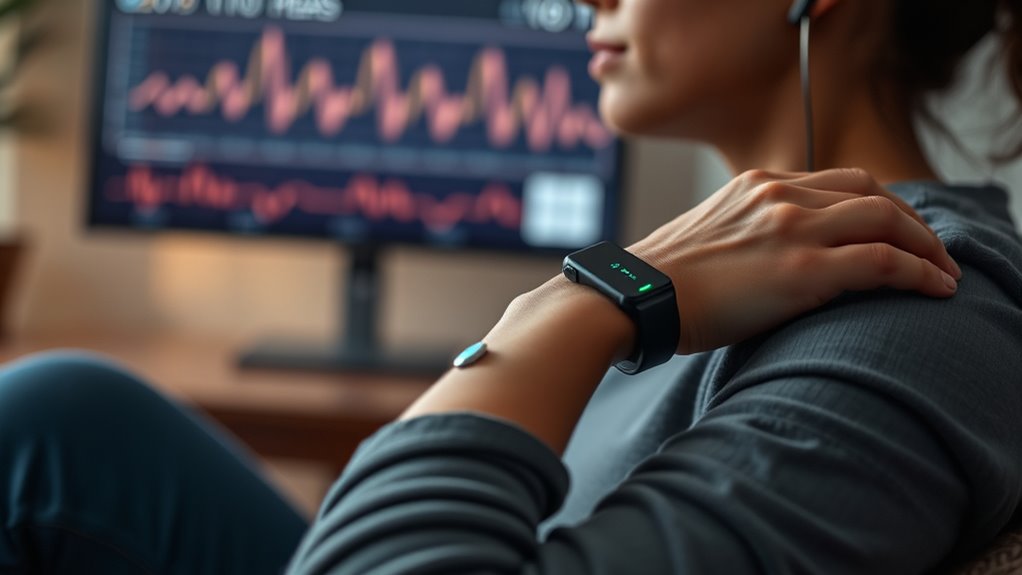
Biofeedback works by providing real-time data about your body’s physiological states, such as heart rate, muscle tension, and skin temperature, allowing you to learn how these signals relate to your feelings of anxiety. This process strengthens the mind-body connection, helping you recognize physical signs of stress early. Understanding biofeedback can help you better grasp how these techniques influence your stress responses, including the body’s stress signals that biofeedback aims to monitor and regulate. Additionally, learning about autonomic nervous system responses can deepen your comprehension of how your body naturally reacts to stress and how biofeedback can help modulate these reactions. Recognizing the role of the stress response system can provide further insight into how biofeedback techniques effectively promote relaxation and stress reduction. Exploring emotional regulation strategies alongside biofeedback may enhance your overall stress management skills.
stress management wearable device
As an affiliate, we earn on qualifying purchases.
As an affiliate, we earn on qualifying purchases.
Evidence of Effectiveness: What Research Shows
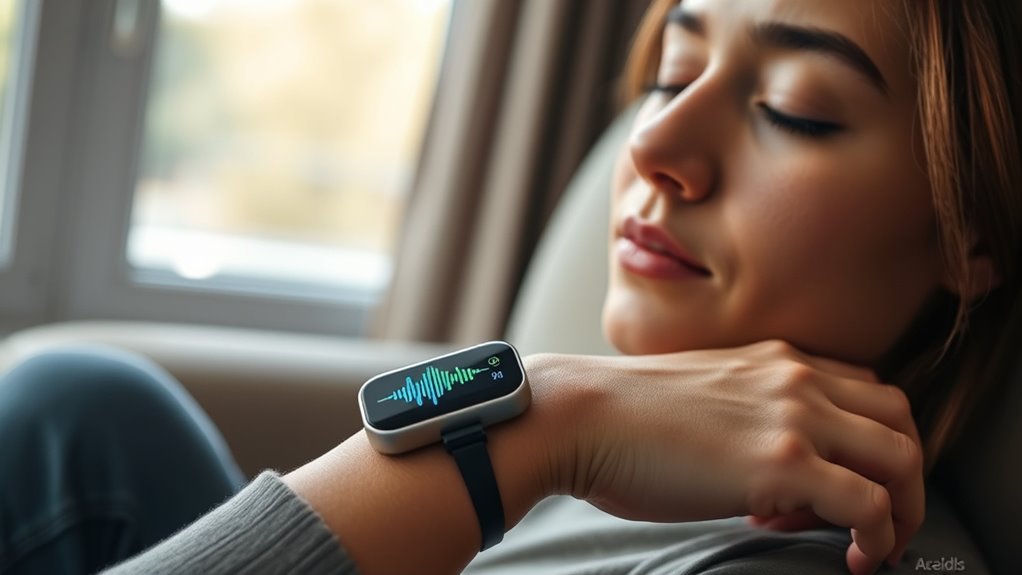
Numerous studies have demonstrated that biofeedback can effectively reduce stress and anxiety symptoms. Clinical trials consistently show that users who engage with biofeedback wearables experience significant improvements in their stress levels. These studies reveal that real-time feedback helps individuals learn to control physiological responses associated with anxiety, leading to lasting benefits. User testimonials support these findings, with many reporting feeling calmer and more in control after using biofeedback devices regularly. While some research highlights the importance of consistent use, the overall evidence suggests that biofeedback is a promising tool for managing stress. Scientific evidence continues to support its effectiveness, and as more studies emerge, the growing body of evidence continues to validate biofeedback’s role in anxiety relief, making it a viable option for those seeking natural stress management techniques. Additionally, the reliability of wearable devices has improved, increasing confidence in their ability to support stress reduction efforts. Incorporating traditional wellness practices can further enhance the benefits of biofeedback, especially when combined with Indigenous holistic health approaches. Furthermore, the advances in wearable technology enhance the accuracy and user experience, fostering greater trust and consistency in stress management routines.
Practical Tips for Using Wearables to Manage Stress

To get the most benefit from your wearable device, it’s important to establish a consistent routine. Set aside specific times each day to focus on mindfulness techniques and breathing exercises. Use your device’s feedback to monitor your stress levels and adjust your practices accordingly. Start with short sessions, like five minutes, and gradually increase as you become more comfortable. Practice deep, diaphragmatic breathing to help calm your nervous system and reduce anxiety. Incorporate guided mindfulness exercises available through your wearable’s app to enhance relaxation. Keep track of your progress to identify patterns and triggers. Consistency is key—making these practices part of your daily routine helps reinforce stress management and improves overall well-being.
Limitations and Considerations When Choosing a Device
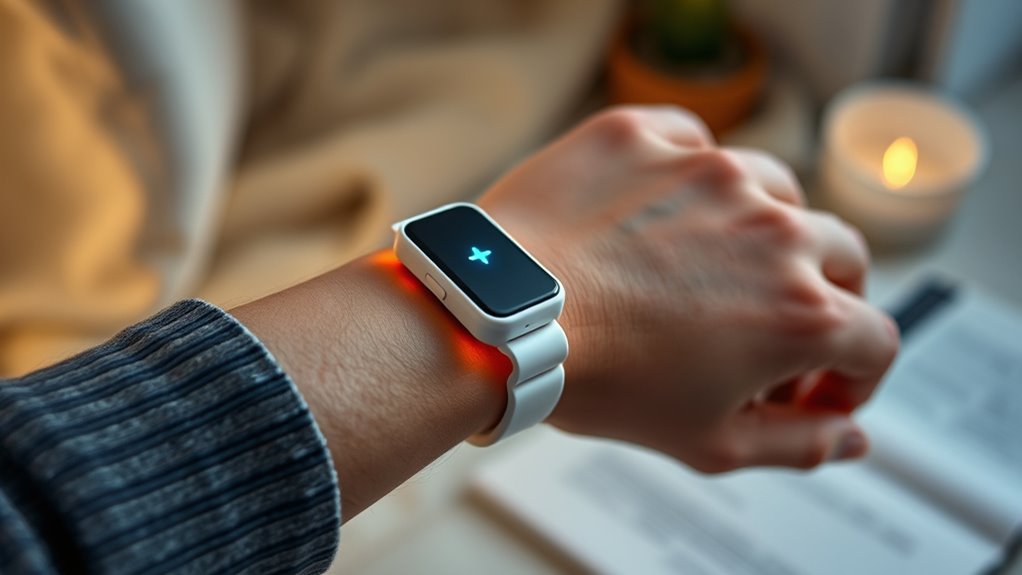
When selecting a biofeedback device, you need to consider its accuracy and reliability to ensure it provides meaningful insights. Cost and accessibility also matter, as some options may be out of reach or difficult to use regularly. Additionally, don’t overlook data privacy concerns, since your sensitive information could be at risk if the device isn’t secure.
Accuracy and Reliability
While biofeedback devices can be valuable tools for stress relief, their accuracy and reliability vary markedly. Many devices depend on sensor calibration to ensure precise readings, but calibration issues can lead to inconsistent data accuracy over time. If a device isn’t properly calibrated, it might provide misleading feedback, reducing its effectiveness. Additionally, factors like placement, movement, and skin type can impact sensor performance, further affecting data accuracy. When choosing a device, consider whether it has undergone rigorous calibration and validation processes. Reliable devices should produce consistent, precise measurements that accurately reflect your physiological states. Remember, no device is perfect, but prioritizing those with proven accuracy can help you better manage stress and avoid frustration caused by unreliable feedback.
Cost and Accessibility
Choosing a biofeedback device involves more than just considering its accuracy; cost and accessibility also play significant roles. Your budget influences which device you can afford and affects long-term use. Be aware of different pricing options, from budget-friendly models to premium options with advanced features. Device availability varies by region, impacting how easily you can purchase and receive support. Consider these factors:
- The range of pricing options suited to different budgets
- Whether the device is readily available locally or online
- Additional costs like subscriptions or accessories
- Availability of customer support and warranty services
Understanding these considerations helps you select a device that fits your financial situation and ensures consistent access for stress relief.
Data Privacy Concerns
Data privacy is a critical factor to contemplate because biofeedback devices collect sensitive personal information that could be vulnerable if not properly protected. When choosing a device, check if it uses strong data encryption to safeguard your data from breaches. Consider whether the manufacturer prioritizes user anonymity, ensuring your identity remains protected even if data is shared or stored. Be mindful of the device’s privacy policy—look for transparent practices regarding data collection, storage, and sharing. Avoid devices that lack clear security measures or require unnecessary personal details. Protecting your information is essential to prevent potential misuse, identity theft, or unwanted tracking. Ultimately, selecting a device that emphasizes data privacy helps you enjoy stress relief benefits without compromising your personal security.
Frequently Asked Questions
Can Biofeedback Wearables Replace Traditional Therapy for Anxiety?
Biofeedback wearables can’t fully replace traditional therapy, but they can be a helpful supplement. They aid in managing anxiety by promoting relaxation and awareness, especially during a digital detox. Peer support remains essential, offering emotional connection and guidance that wearables can’t provide. Combining these tools with professional therapy gives you a more extensive approach, addressing both physiological and emotional aspects of anxiety for better long-term relief.
Are There Any Health Risks Associated With Using Stress Management Wearables?
Like a guardian watching over your peace, stress management wearables are generally safe, but you should be aware of potential risks. While device accuracy varies, most are designed with safety in mind for long-term use. However, prolonged exposure to certain sensors might cause skin irritation or discomfort. Always follow manufacturer guidelines, and consult a healthcare professional if you notice any adverse effects, ensuring your journey to calm remains safe and effective.
How Long Does It Typically Take to See Benefits From Using Biofeedback Devices?
You might start noticing benefits from using biofeedback devices within a few weeks, especially if you integrate them into your mindfulness practice regularly. As you become more consistent, you could see improvements in your sleep quality and reduced anxiety levels. Keep tracking your progress, and stay patient; with consistent use, your stress management skills will strengthen, and you’ll likely experience calmer, more balanced days over time.
Do Wearable Devices Work Equally Well for All Age Groups?
Imagine a bridge connecting generations—wearables work differently across age groups. Younger users often adapt quickly thanks to tech familiarity, experiencing faster benefits. Older adults may need more time to see results due to less familiarity or comfort with technology. While wearables can help everyone, age differences influence how effectively they work, so patience and guidance are key to maximizing their calming potential across all ages.
What Are the Costs Involved in Adopting Biofeedback Wearables for Stress Relief?
You’ll find that device affordability varies, with some biofeedback wearables costing between $50 to $300. While most aren’t typically covered by insurance, it’s worth checking if your provider offers any coverage or discounts. Additional costs may include app subscriptions or accessories. Consider these factors to determine if the investment fits your budget, and look for options that balance affordability with effective stress relief features.
Conclusion
As you explore wearable biofeedback devices, remember that over 70% of users report reduced stress levels with consistent use. While these gadgets can be effective tools for calming anxiety, they work best when integrated into a broader stress management plan. Keep in mind their limitations and choose a device that fits your needs. With dedication, you might find wearable tech becomes a valuable ally in your journey toward better relaxation and mental well-being.
Cold & flu season Picks
humidifiers
As an affiliate, we earn on qualifying purchases.