
Electrical muscle stimulation (EMS) can build muscle strength when used properly. It delivers electrical impulses that cause your muscles to contract involuntarily, mimicking natural movements. Regular use can promote muscle growth, improve endurance, and aid recovery. However, overuse or improper technique can lead to fatigue or injury. If you want to understand how to maximize benefits safely, keep exploring how EMS works and the best practices for use.
Key Takeaways
- EMS delivers electrical impulses that induce muscle contractions similar to voluntary movements, promoting muscle strengthening over time.
- Regular EMS sessions can enhance muscle endurance and size when combined with proper training protocols.
- Proper electrode placement, intensity, and session duration are crucial for effective muscle building and safety.
- Overuse or improper use can lead to fatigue, soreness, or injury, limiting muscle development benefits.
- EMS is most effective as a supplement to traditional exercise rather than a standalone muscle-building method.
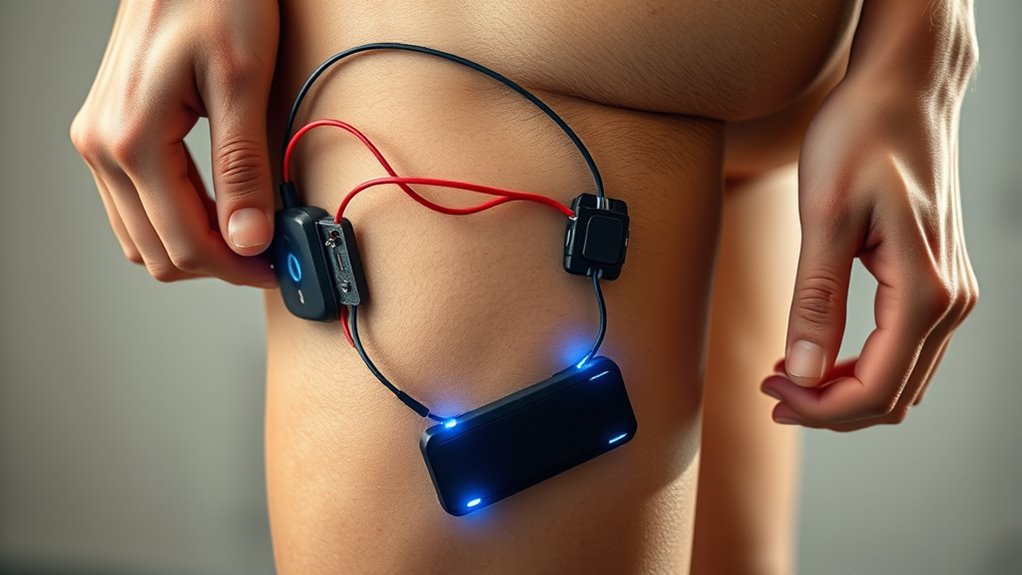
Electrical Muscle Stimulation (EMS) is gaining popularity as an effective way to enhance muscle strength and recovery. You might have seen athletes or fitness enthusiasts using EMS devices to boost their workouts, but it’s important to understand how it works and what you should keep in mind. When you use EMS, electrical impulses are delivered through electrodes placed on your skin, causing your muscles to contract involuntarily. These contractions mimic natural movements, helping to strengthen muscles and improve endurance over time. However, as with any training method, you need to be aware of potential issues like muscle fatigue and guarantee you’re practicing electrotherapy safety.
Muscle fatigue is a common concern when using EMS, especially if you push yourself too hard or don’t give your muscles enough recovery time. The electrical impulses cause your muscles to contract repeatedly, which can tire them out just like traditional exercise. If you experience excessive fatigue, it’s a sign to reduce the intensity or duration of your sessions. Overtraining with EMS can lead to soreness or even injury, so listening to your body is vital. Proper protocol involves starting with lower intensities and gradually increasing as your muscles adapt. Rest days are just as important with EMS as with regular workouts; they allow your muscles to recover and grow stronger.
Electrotherapy safety is another key aspect to contemplate when incorporating EMS into your routine. You should always follow manufacturer instructions and consult with a healthcare professional, especially if you have underlying health conditions like heart problems or skin sensitivities. Make sure the electrodes are placed correctly to avoid skin irritation or burns, and keep the device clean to prevent infections. Never use EMS devices over broken or irritated skin, and avoid placing electrodes near your chest if you have a pacemaker or other electronic implants. If you experience pain, dizziness, or discomfort during a session, stop immediately and seek medical advice. Safety isn’t just about avoiding injury—it’s about guaranteeing the electrical impulses are used appropriately to benefit your muscles without risking adverse effects.
Additionally, understanding free floating muscle activation can help optimize your EMS routine for better results and safety.

AVCOO 3-in-1 TENS Unit Muscle Stimulator with 30 Modes, 40 Intensities TENS Machine for Gradual Back Pain Relief Therapy, Rechargeable EMS Unit Massager with 12 TENS Electrode Pads, a Storage Bag
Multi-functional 3-in-1 TENS EMS Unit: AVCOO 3-in-1 muscle stimulator for pain relief combines TENS, EMS, and RELAX 3…
As an affiliate, we earn on qualifying purchases.
As an affiliate, we earn on qualifying purchases.
Frequently Asked Questions
How Does EMS Compare to Traditional Weight Training?
EMS provides targeted muscle activation that can complement traditional weight training, but it doesn’t replace the strength enhancement you get from lifting weights. While EMS stimulates muscles quickly and can help with recovery, it mainly activates superficial fibers, whereas weight training engages a broader range of muscles for overall strength gains. Combining both methods can optimize your muscle activation and strength development effectively.
Are There Any Age Restrictions for EMS Use?
Imagine EMS as a gentle river flow, adaptable for many ages. Generally, there are age restrictions and safety guidelines to adhere to. Kids and seniors should consult a healthcare professional before using EMS devices. For teens, supervised use is recommended, and adults with certain health issues should proceed cautiously. Prioritizing safety guarantees your journey with EMS remains smooth and beneficial, no matter your age.
Can EMS Prevent Muscle Atrophy During Injury Recovery?
Yes, EMS can help prevent muscle atrophy during injury recovery by promoting muscle preservation. When you use electrical stimulation, it activates your muscles even when you can’t move them voluntarily, maintaining muscle size and strength. This can speed up your recovery process and reduce muscle loss. Make sure to follow your healthcare provider’s guidance to guarantee safe and effective use of EMS during injury recovery.
What Are the Long-Term Effects of Regular EMS Use?
Regular EMS use can lead to long-term benefits like improved muscle strength and endurance. It promotes neurological adaptation, helping you develop better muscle control and coordination over time. While muscle memory may enhance your ability to perform movements more efficiently, excessive use without proper guidance could cause fatigue or imbalance. Consistency and proper technique are key to maximizing benefits and minimizing potential risks of long-term EMS application.
Is EMS Suitable for Improving Athletic Performance?
Yes, EMS can help improve your athletic performance by enhancing muscle activation and neuromuscular coordination. When you use EMS regularly, it targets specific muscle groups, increasing strength and endurance. This improved activation can translate to better movement efficiency and faster recovery. However, combining EMS with traditional training yields the best results. Always consult a professional to guarantee proper use and avoid overtraining or injury.
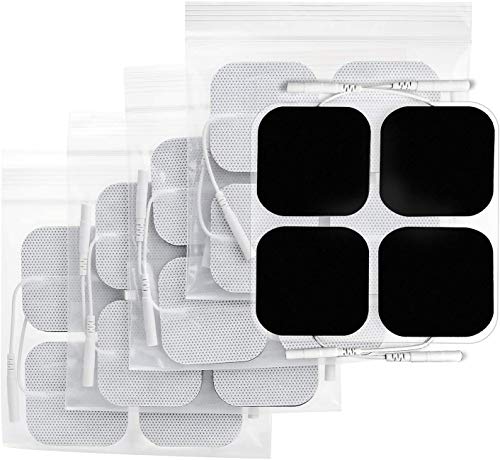
AUVON TENS Unit Pads Electrode Patches with Upgraded Self-Stick Performance and Non-Irritating Design for Electrotherapy
Huge 20-Piece Set. We're always looking for new ways to bring our customers incredible value! When you shop…
As an affiliate, we earn on qualifying purchases.
As an affiliate, we earn on qualifying purchases.
Conclusion
So, can electrical stimulation truly build muscle? Think of EMS as a secret weapon, awakening muscles even when you’re not actively working out. While it’s not a magic wand, it’s a powerful tool to supplement your strength training. Like a whisper in the storm, EMS offers a gentle push, helping you reach your goals faster. Embrace it wisely, and watch your muscle story unfold—your journey is just beginning.
AVCOO 3-in-1 TENS Unit Muscle Stimulator with 30 Modes, 40 Intensities TENS Machine for Gradual Back Pain Relief Therapy, Rechargeable EMS Unit Massager with 12 TENS Electrode Pads, a Storage Bag
Multi-functional 3-in-1 TENS EMS Unit: AVCOO 3-in-1 muscle stimulator for pain relief combines TENS, EMS, and RELAX 3…
As an affiliate, we earn on qualifying purchases.
As an affiliate, we earn on qualifying purchases.

EMS Muscle Stimulator, Hip Trainer & Glute Muscle Stimulator, Portable Home Gym Equipment for Women, Butt Lifting with USB Rechargeable Wearable Hip Toner with Remote, Intelligent Wireless Fitness
Glute Sculpting & Lifting: This hip trainer and booty trainer harnesses advanced EMS muscle stimulator technology to lift,…
As an affiliate, we earn on qualifying purchases.
As an affiliate, we earn on qualifying purchases.