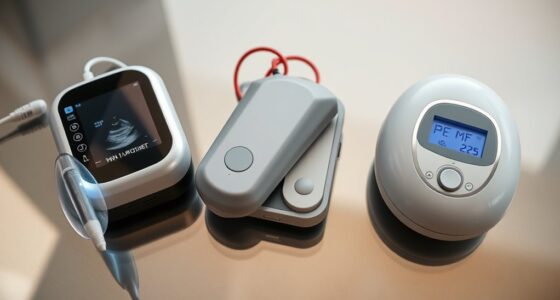

Ultrasound therapy is a safe, non-invasive way to help reduce back pain and promote tissue healing. It uses high-frequency sound waves to increase blood flow, speed up recovery, and reduce stiffness and soreness. When combined with core exercises and massage, it can enhance your comfort and help prevent future issues. Curious about how this treatment might fit into your recovery plan? Keep exploring to find out more about its full benefits.

Get wellness gear delivered free — and shop member deals
- Fast, free delivery on millions of items
- Access to Prime Big Deal Days deals on October 6–7
- Prime Video, Amazon Music and more included
Key Takeaways
- Ultrasound therapy promotes deep tissue healing, reduces inflammation, and alleviates back pain effectively.
- It increases blood flow and speeds recovery, especially for muscle strains and ligament injuries.
- When combined with core exercises and massage, ultrasound enhances overall back health and pain relief.
- Properly administered by professionals, it is a safe, non-invasive treatment with minimal risks.
- Evidence supports its effectiveness as part of a comprehensive approach to managing back pain.
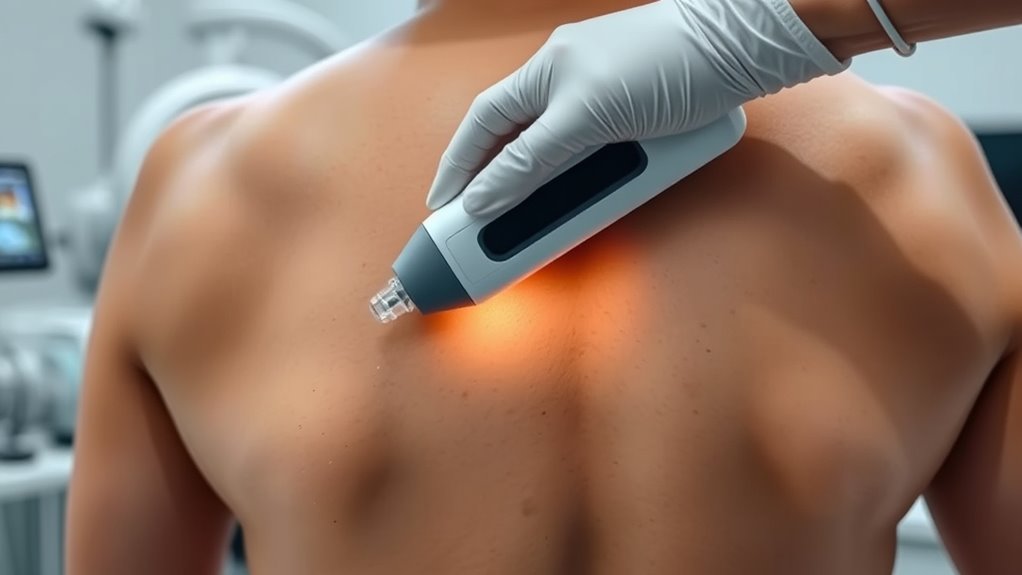
If you’re dealing with back pain, ultrasound therapy could be a helpful treatment option. This non-invasive procedure uses high-frequency sound waves to target deep tissues, promoting healing and reducing inflammation. Many people find ultrasound effective because it encourages tissue repair without the discomfort or downtime associated with surgery. While ultrasound is often used on its own, it can be combined with other therapies like hot stone massage or core strengthening exercises to enhance results. Hot stone therapy, for example, helps relax tense muscles, making ultrasound more effective at penetrating deeper tissues. When muscles are relaxed, the ultrasound waves can better reach the affected areas, accelerating recovery. Additionally, incorporating core strengthening exercises into your treatment plan can stabilize your spine, prevent future injuries, and improve overall back health. Ultrasound therapy supports this process by reducing pain and inflammation that might hinder your ability to exercise or perform daily activities comfortably.
The benefits of ultrasound extend beyond just pain relief. It increases blood flow to the targeted area, which supplies essential nutrients and oxygen, speeding up healing. This increased circulation also helps remove waste products from damaged tissues, further supporting recovery. Many patients notice a reduction in stiffness and soreness after sessions, making movement easier and less painful. This is especially helpful if your back pain is caused by muscle strain, ligament sprains, or chronic conditions like degenerative disc disease. For best results, ultrasound therapy is often part of a complete treatment plan that includes physical therapy, stretching, and strengthening exercises. Your therapist might recommend specific core strengthening routines to support your back and prevent recurrent pain. These exercises can help build a resilient core, which acts as a natural stabilizer for your spine, reducing the strain on injured muscles.
Furthermore, understanding the mechanism of ultrasound can help patients appreciate how this therapy promotes tissue repair at a cellular level, leading to more effective recovery. While ultrasound therapy is generally considered safe, it’s crucial to have it administered by a trained professional who can customize the treatment to your specific needs. They can determine the appropriate intensity and duration, ensuring you receive the maximum benefit without adverse effects. If you’re exploring options for back pain relief, combining ultrasound with therapies like hot stone massage and targeted core strengthening can offer a holistic approach. This strategy not only eases current discomfort but also addresses underlying issues, helping you regain mobility and strength. Overall, ultrasound therapy is a promising option that, when used correctly, can play a significant role in managing back pain and supporting your journey toward better spinal health.
ultrasound therapy device for back pain
As an affiliate, we earn on qualifying purchases.
As an affiliate, we earn on qualifying purchases.
Frequently Asked Questions
How Soon Can I Expect Pain Relief After Ultrasound Therapy?
You can typically expect some pain reduction within a few days to a week after ultrasound therapy, but timing expectations vary depending on your condition. Some people notice immediate relief, while others experience gradual improvements over several sessions. The pain reduction timeline depends on factors like severity and individual response. Stay consistent with your treatments and communicate with your healthcare provider to optimize results and better understand your specific healing process.
Are There Any Risks or Side Effects Associated With Ultrasound Therapy?
Think of ultrasound therapy like a gentle river—usually safe, but sometimes it can cause ripples. Possible adverse effects include skin irritation or discomfort. Contraindications and precautions, such as avoiding use over infections, tumors, or pregnancy, are essential to prevent complications. Always consult your healthcare provider to confirm ultrasound therapy is suitable for you, and they’ll help minimize any risks while maximizing benefits.
Can Ultrasound Therapy Be Combined With Other Back Pain Treatments?
Yes, you can combine ultrasound therapy with other back pain treatments as adjunct therapies. Doing so can enhance overall treatment synergy, potentially providing better pain relief and faster recovery. Always discuss your plans with your healthcare provider to guarantee that combining therapies is safe and appropriate for your specific condition. This integrated approach often leads to more effective pain management and improved mobility over time.
Is Ultrasound Therapy Suitable for Chronic or Only Acute Back Pain?
Ultrasound therapy can be suitable for both chronic pain and acute injuries. If you’re dealing with ongoing discomfort, it may help reduce inflammation and improve circulation, promoting healing. For acute injuries, ultrasound can target the affected area to ease pain and speed recovery. However, consult your healthcare provider to determine if ultrasound therapy fits your specific condition, as individual circumstances and the severity of pain influence its effectiveness.
How Many Sessions Are Typically Needed for Noticeable Improvement?
You usually need about 6 to 10 ultrasound therapy sessions, depending on your pain severity and response. Sessions are often scheduled two to three times a week, with consistent session frequency for the best results. While some notice relief after a few sessions, maintaining long-term outcomes may require ongoing therapy or combined treatments. Talk to your healthcare provider to create a personalized plan that best suits your needs.
hot stone massage for muscle relaxation
As an affiliate, we earn on qualifying purchases.
As an affiliate, we earn on qualifying purchases.
Conclusion
So, when it comes to ultrasound therapy for back pain, the evidence is like a flickering light—sometimes promising, sometimes uncertain. It may help ease your discomfort and speed up recovery, but it’s not a magic wand. Think of it as a gentle breeze guiding your healing journey. Talk to your healthcare provider to see if this treatment could be the right path for you. Remember, your back’s recovery is a marathon, not a sprint.
core strengthening exercise equipment
As an affiliate, we earn on qualifying purchases.
As an affiliate, we earn on qualifying purchases.
As an affiliate, we earn on qualifying purchases.
Fall Picks
fall essentials
As an affiliate, we earn on qualifying purchases.