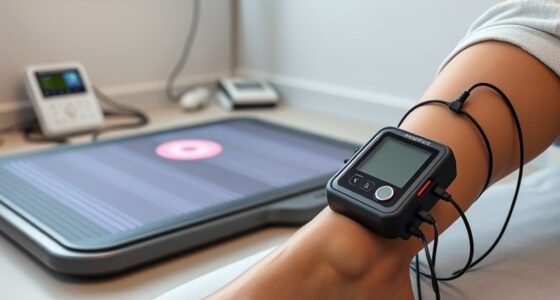
To use TENS electrodes effectively, start by cleaning and drying your skin to guarantee good contact. Place the pads over or near the painful area, aligning them along muscles or nerve pathways without crossing joints or placing on bony spots. Make sure they face each other or form specific angles based on your pain pattern. Secure them firmly, adjusting as needed for comfort, and avoid overlapping pads. Keep exploring for detailed tips to optimize your treatment.

Get wellness gear delivered free — and shop member deals
- Fast, free delivery on millions of items
- Access to Prime Big Deal Days deals on October 6–7
- Prime Video, Amazon Music and more included
Key Takeaways
- Proper skin preparation and cleaning ensure good electrode adhesion and effective nerve stimulation.
- Position electrodes facing each other or at specific angles over targeted pain or muscle areas.
- Place pads along muscle fibers or nerve pathways, avoiding bony prominences and joints for optimal coverage.
- Use anatomical landmarks to accurately locate underlying muscles and improve placement precision.
- Secure electrodes firmly with straps or additional adhesives, and regularly check for proper contact during treatment.
TENS electrode pads for pain relief
As an affiliate, we earn on qualifying purchases.
As an affiliate, we earn on qualifying purchases.
Understanding the Basics of TENS Electrode Placement
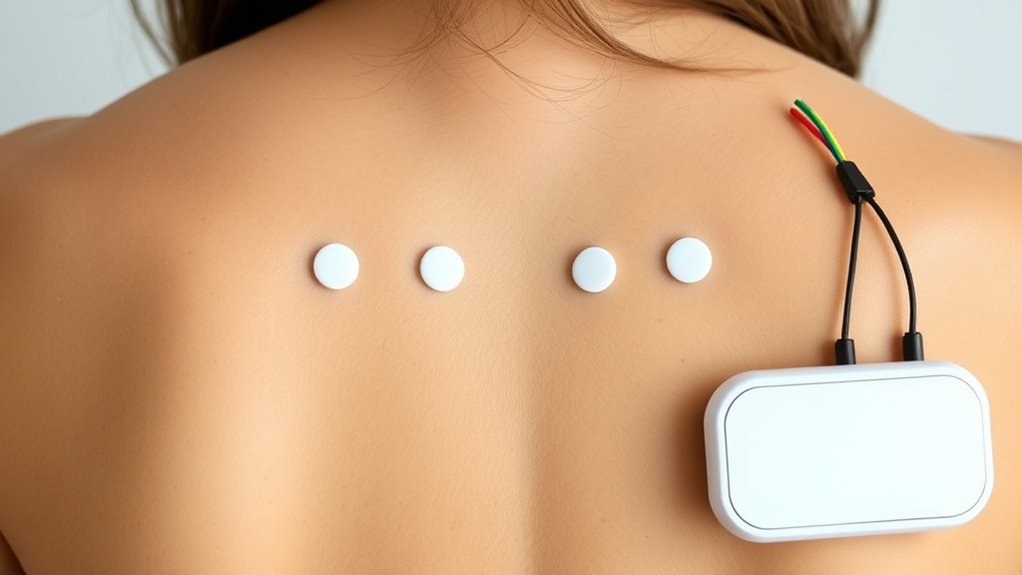
Understanding how to place TENS electrodes correctly is essential for effective pain relief. Proper electrode orientation guarantees that the electrical current targets the right nerves. Position the electrodes so they face each other or form a specific angle based on your pain area. Always prepare your skin beforehand by cleaning it with alcohol wipes or soap and water. This removes oils and dirt, helping the electrodes adhere better and improving conductivity. Make sure the skin is dry before applying the electrodes. Avoid placing electrodes over broken skin, scars, or sensitive areas. Consistent skin preparation and correct electrode orientation are key to maximizing the TENS device’s effectiveness and minimizing discomfort. Taking these simple steps ensures you get the most benefit from your treatment. Additionally, understanding the importance of proper electrode placement can significantly enhance the overall effectiveness of your therapy. Proper electrode positioning not only improves conductivity but also helps prevent skin irritation and discomfort during treatment. Using the correct electrode placement techniques can lead to more targeted and efficient pain relief. Being aware of skin preparation techniques can further improve the adhesion and effectiveness of the electrodes. Incorporating knowledge of water conductivity can also help optimize electrode contact, especially in humid environments or when skin is sweaty.
As an affiliate, we earn on qualifying purchases.
Identifying Pain Areas and Targeting Them Effectively
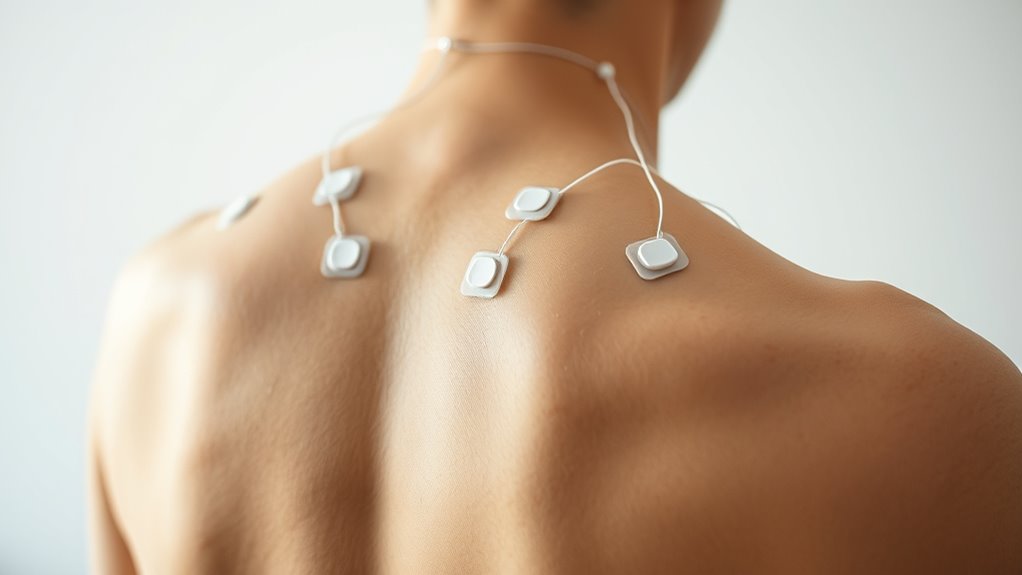
Accurately identifying your pain areas is essential for targeting your TENS therapy effectively. Start with pain localization, pinpointing exactly where you feel discomfort. Use symptom mapping to trace the pain’s origin and understand its pattern—whether it radiates or stays localized. This helps guarantee the electrodes are placed directly over the affected nerves or muscles, maximizing relief. Take note of any specific trigger points or areas where pain intensifies. Clear symptom mapping allows you to avoid guesswork, making your treatment more efficient. Remember, precise pain localization guides you in positioning electrodes to target nerve pathways accurately, leading to better symptom management and quicker relief. Focusing on body anatomy and understanding which muscles or nerves are involved can further enhance placement accuracy. Proper electrode placement is crucial in self-watering planters to ensure consistent moisture levels and optimal plant health, similar to how accurate placement in TENS therapy maximizes pain relief. Additionally, understanding piercing care and hygiene can help prevent infections that might complicate treatment or cause additional discomfort. Maintaining skin integrity around electrode sites is vital to prevent irritation and ensure effective conductivity during therapy. Focus on these details to optimize your TENS therapy and reduce discomfort effectively. Silence and calmness can also enhance the effectiveness of your treatment by reducing muscle tension and stress, contributing to overall pain relief.
TENS unit skin preparation wipes
As an affiliate, we earn on qualifying purchases.
As an affiliate, we earn on qualifying purchases.
Proper Techniques for Applying Electrodes on Different Body Parts

Once you’ve identified your pain areas and pinpointed the best spots for electrode placement, applying the electrodes correctly on different body parts makes certain of effective TENS therapy. For muscle groups, place electrodes parallel or in a star pattern over the targeted muscles, avoiding bony areas and joints. When working on specific body regions like the lower back, position the electrodes on either side of the pain, ensuring they cover the affected muscles without overlapping. For limbs, apply electrodes along the length of the muscle fibers or nerve pathways, maintaining consistent spacing for even current distribution. Always make sure the skin is clean and dry before placement. Proper technique ensures ideal contact and maximizes pain relief while minimizing discomfort or skin irritation. Using innovative European cloud solutions can also help in monitoring and optimizing your therapy sessions for better results.
electrode placement guide for TENS
As an affiliate, we earn on qualifying purchases.
As an affiliate, we earn on qualifying purchases.
Common Mistakes to Avoid When Placing TENS Pads
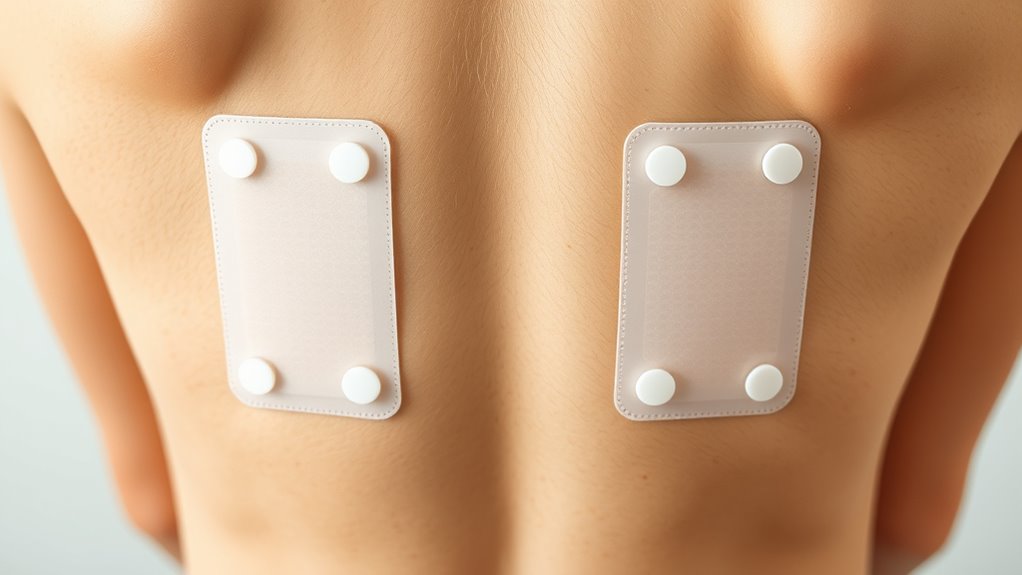
One common mistake to avoid when placing TENS pads is positioning them too close to bony areas or joints, which can reduce effectiveness and cause discomfort. Proper sensor placement is key, so verify the electrodes are on soft tissue rather than over bones. Incorrect electrode orientation, such as placing pads at awkward angles or too far apart, can also diminish pain relief. Avoid crossing the wires or overlapping pads, as this can interfere with the electrical current. Make sure the electrodes are evenly spaced and aligned with the nerve pathways for ideal stimulation. Additionally, don’t forget to check that the pads are firmly attached to maintain good contact, which influences both sensor placement and overall effectiveness. Proper placement ensures maximum relief and minimizes discomfort during treatment. Remember that understanding anatomy and nerve pathways can significantly improve the accuracy of electrode placement for better results. Ensuring proper electrode contact with the skin is crucial to avoid inconsistent stimulation and optimize pain relief. Using moistening techniques can also enhance conductance and improve the effectiveness of the therapy. Regularly inspecting the electrode adhesive helps maintain optimal contact over time. Being aware of the device settings can further ensure that the stimulation parameters are correctly adjusted for your specific needs.
Using Anatomical Landmarks to Guide Electrode Placement

Using anatomical landmarks is essential for precise TENS pad placement, as it helps you target the correct nerve pathways and muscle groups. By locating bony landmarks, you can identify the underlying muscle anatomy accurately. For example, placing pads near the iliac crest targets lower back muscles, while the patella guides knee area placement. Understanding these landmarks ensures effective stimulation and reduces discomfort. Here’s a quick reference:
| Bony Landmark | Muscle Group Targeted | Common Location |
|---|---|---|
| Acromion process | Shoulder muscles | Top of shoulder |
| Greater trochanter | Hip abductors | Side of hip |
| Patella | Quadriceps | Front of knee |
| Spinous process of T7 | Upper back muscles | Mid-back, below shoulder blades |
Additionally, recognizing the muscle anatomy underlying these landmarks can enhance the accuracy of electrode placement and improve therapeutic outcomes. Being familiar with anatomical landmarks also helps in avoiding sensitive areas and reduces the risk of discomfort during treatment. Incorporating knowledge of nerve pathways can further optimize stimulation effectiveness. Moreover, understanding the ligament and tendon locations further refines pad placement for targeted relief.
Adjusting Electrode Position for Optimal Stimulation
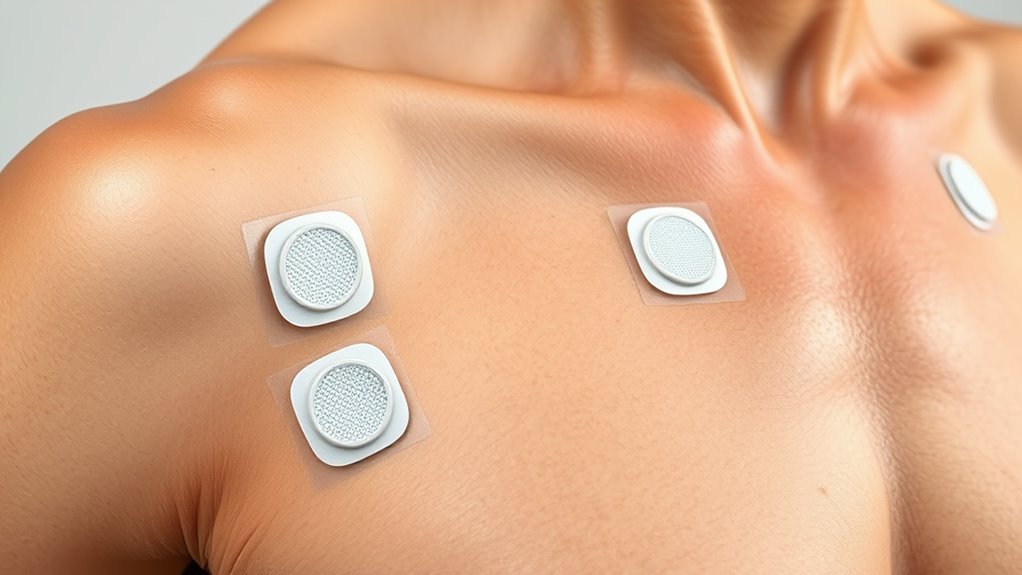
To get the most relief, you need to make sure your electrodes are placed correctly. Adjust their position until you’re targeting the right area for maximum stimulation. Small changes can make a big difference in how effective your treatment feels. Remember that simple systems can help you set up and maintain your electrode placement more effectively, ensuring consistent and comfortable results. Additionally, utilizing advanced positioning techniques can further enhance the precision of stimulation for better outcomes.
Ensuring Correct Placement
Ensuring correct placement of the TENS pads is essential for effective stimulation. You need to understand your muscle anatomy to position the electrodes accurately over the targeted area. Proper placement guarantees the electrical current reaches the nerve pathways effectively, providing relief. Check the adhesive quality of your pads; if they don’t stick well, the stimulation may be inconsistent or uncomfortable. Make certain the pads are firmly attached to clean, dry skin, avoiding hair or lotions that can reduce adhesion. Adjust the pads if you notice uneven stimulation or discomfort. Precise placement not only maximizes pain relief but also prevents unnecessary stimulation of adjacent muscles. Take your time to locate the correct muscles and secure the electrodes properly for optimal results. Additionally, understanding muscle anatomy can significantly improve your ability to target specific areas effectively.
Optimizing Stimulation Area
After positioning your TENS pads correctly, fine-tuning their placement can substantially improve stimulation effectiveness. To optimize the stimulation area, adjust the electrodes to maximize muscle coverage and target specific stimulation zones. Move pads slightly closer or farther apart, ensuring they cover the entire muscle group you want to treat. Focus on stimulating the full extent of the muscle without crossing joint lines or placing pads on bony areas. Use the table below as a guide:
| Pad Position | Focus Area | Tips |
|---|---|---|
| Close together | Central muscle zone | Cover the core of the muscle |
| Slightly apart | Surrounding muscles | Broaden stimulation zones |
| Near joints | Specific trigger points | Avoid bony prominences |
Additionally, considering electrode placement guidelines can help ensure you’re applying stimulation safely and effectively. Proper electrode placement is crucial to prevent discomfort and optimize therapeutic benefits.
Tips for Securing Electrodes During Treatment Sessions

Securing your TENS electrodes properly is essential for effective treatment and patient comfort. Proper strap placement ensures the electrodes stay in place, preventing any shifting that could cause discomfort or reduce effectiveness. Before applying electrodes, make sure to prepare the skin by cleaning and drying it thoroughly, which improves adhesion and reduces irritation. Here are some tips to secure electrodes effectively:
- Place straps snugly around the electrodes, avoiding excessive tightness.
- Use additional adhesive patches or gels if needed for extra grip.
- Check that the electrodes are flush against the skin without wrinkles or air bubbles.
- Reassess strap placement periodically during treatment to maintain secure contact.
Following these tips helps ensure consistent stimulation and comfort throughout your session.
Customizing Electrode Placement for Chronic vs. Acute Pain

When adjusting electrode placement, it’s important to contemplate whether you’re treating chronic or acute pain, as each requires a different approach. For chronic pain, focus on placement near the affected area, guaranteeing good contact with appropriate electrode material that offers comfort and conductivity. Skin preparation is essential; clean and dry the skin to improve adhesion and reduce irritation. For acute pain, you might need to target specific nerve pathways, so precise placement is key. Use fresh electrode material if needed, and guarantee the skin is free of oils or lotions to maximize effectiveness. In both cases, proper skin preparation helps electrodes adhere better and minimizes discomfort, while thoughtful placement ensures the TENS unit delivers targeted relief tailored to your pain type.
Safety Precautions and Precise Placement Strategies

To guarantee safe and effective TENS therapy, it’s essential to follow proper placement strategies and adhere to safety precautions. Always use electrode materials that are hypoallergenic and suitable for your skin type. ensure electrode sizes are appropriate for your treatment area; larger electrodes cover more surface, reducing discomfort, while smaller ones target specific points.
For safe TENS therapy, choose hypoallergenic electrodes and match sizes to your treatment area.
Here are key safety tips:
- Always clean your skin before applying electrodes to prevent irritation.
- Avoid placing electrodes over broken or irritated skin.
- Keep electrodes at least 1 inch apart to prevent overlapping currents.
- Regularly inspect electrodes for wear and replace damaged ones promptly.
Following these steps helps maximize effectiveness while minimizing risks, ensuring a safe and comfortable experience.
Experimenting With Placement to Find What Works Best
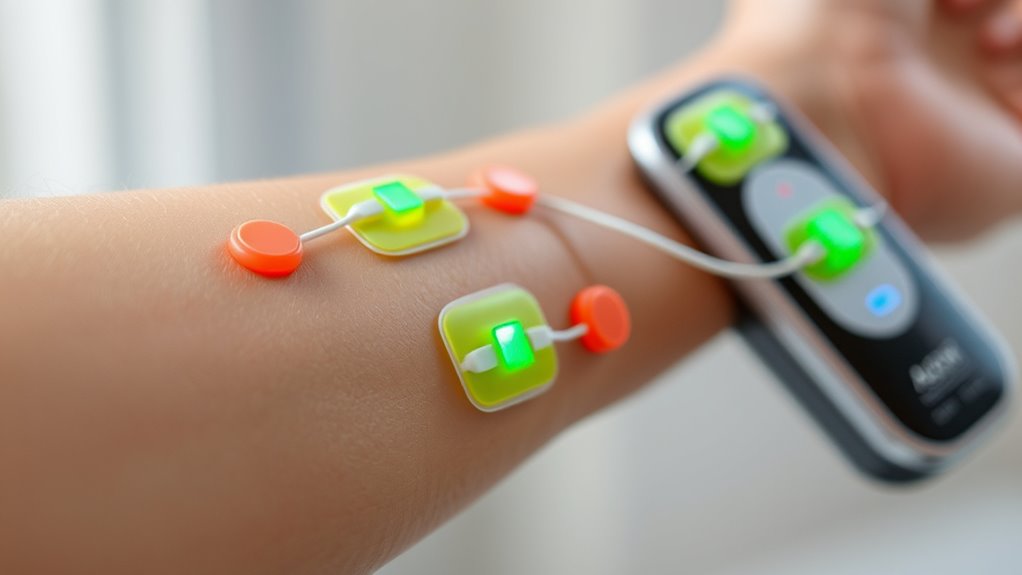
Experimenting with electrode placement is essential to find the most effective setup for your specific pain or discomfort. Different placements can target muscles more directly, enhancing muscle engagement and relief. Pay attention to your skin sensitivity; if you notice irritation or discomfort, adjust the electrode position or give your skin a break. Try moving the pads slightly to find the spot that provides the strongest relief without causing soreness. Keep track of what works best by noting the placement, intensity, and comfort level. Remember, everyone’s body responds differently, so don’t be afraid to experiment. Taking the time to find ideal placement ensures you get the most benefit from your TENS unit while minimizing skin irritation.
Frequently Asked Questions
How Often Should I Change Electrode Placement During Treatment?
You should change your electrode placement every 20 to 30 minutes during treatment to maintain effectiveness. Regular electrode repositioning helps prevent skin irritation and guarantees consistent stimulation of the targeted area. By doing so, you promote treatment consistency and avoid overstimulating the same spot. Make sure to check your skin for any redness or discomfort and adjust placement as needed, keeping your therapy safe and effective.
Can I Use TENS Pads on Sensitive or Scarred Skin?
Yes, you can use TENS pads on sensitive or scarred skin, but you should be cautious. Skin sensitivity may increase discomfort, so start with lower settings and monitor your response. For scar tissue, place pads around the scar rather than directly on it, as scar tissue can conduct electricity differently. Always consult your healthcare provider before using TENS on sensitive or scarred areas to guarantee safe application.
Is It Safe to Overlap Electrodes for Increased Coverage?
You can overlap electrodes for coverage enhancement, but do so cautiously. Electrode overlap can improve pain relief by targeting a larger area, yet too much overlap may cause discomfort or uneven stimulation. confirm the overlapping pads are positioned properly, avoiding excessive contact that might lead to skin irritation. Always follow manufacturer guidelines and consult a healthcare professional if you’re unsure, to ensure safe and effective use of TENS therapy.
How Do I Know if Electrodes Are Placed Correctly for Nerve Stimulation?
Think of electrode placement like tuning a musical instrument; the right position produces harmony. To guarantee correct placement for nerve stimulation, check that electrodes are aligned with nerve pathways and avoid bony areas or skin folds. Proper electrode positioning guarantees effective pain relief techniques. Feel the sensation—if you experience a tingling or pulsating feeling under the electrodes, you’re likely on the right spots for ideal nerve stimulation.
Can Electrode Placement Affect the Overall Effectiveness of TENS Therapy?
Yes, electrode placement greatly affects the overall effectiveness of TENS therapy. Proper electrode positioning ensures targeted nerve stimulation, which maximizes treatment efficacy. If electrodes are misplaced, you might not experience pain relief or muscle relaxation as intended. Always follow recommended placement guidelines for your condition, and adjust electrode positioning if you don’t see results. Correct electrode positioning enhances the therapy’s benefits and helps you achieve better pain management outcomes.
Conclusion
Now that you know how to place your TENS pads effectively, you’re ready to take control of your pain management. Remember, proper placement can make all the difference in relief and comfort. Are you willing to invest a little time to find what works best for you? With patience and attention, you can optimize your treatments and regain your comfort—because you deserve to feel your best every day.
Fall Picks
fall essentials
As an affiliate, we earn on qualifying purchases.