Home traction devices like inversion tables can really help relieve back pain by gently decompressing your spine and reducing nerve pressure. They stretch the spine in a safe, controlled way, which can ease discomfort and improve mobility over time. However, it’s important to follow safety guidelines and consult a healthcare professional before use. If you want to understand how these devices work and whether they’re right for you, there’s more to discover.

Get wellness gear delivered free — and shop member deals
- Fast, free delivery on millions of items
- Access to Prime Big Deal Days deals on October 6–7
- Prime Video, Amazon Music and more included
Key Takeaways
- Home traction devices, like inversion tables, can help relieve back pain by gently decompressing the spine.
- They work by increasing space between vertebrae, reducing nerve pressure from herniated or bulging discs.
- Regular use may improve posture and mobility, decreasing future back pain risks.
- Proper safety precautions are essential, especially for individuals with certain health conditions.
- Consult a healthcare professional to determine if inversion therapy suits your specific back pain needs.

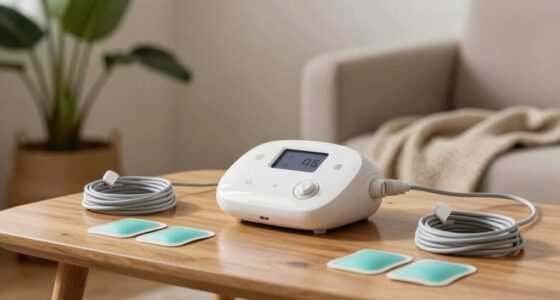
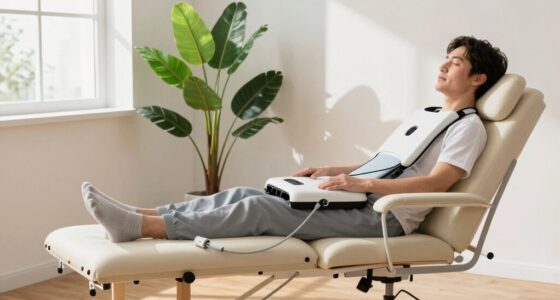
Home traction devices offer a practical solution for individuals seeking relief from neck and back pain without frequent visits to a healthcare provider. If you’re exploring options to ease your discomfort, you might have come across inversion tables and other traction devices designed for home use. These tools aim to gently stretch your spine, providing spinal decompression that can help alleviate pressure on nerves and discs. By decompressing your spine, you potentially reduce pain caused by herniated discs, bulging discs, or general compression from daily activities. Additionally, many users find that regular use of home traction devices improves posture correction over time. Proper alignment of your spine not only reduces pain but also enhances overall mobility and reduces the likelihood of future issues.
Using a home traction device is straightforward, but it’s essential to understand how it works. When you invert or stretch using these devices, you create a gentle pull on your spine. This pull helps to stretch the spinal discs, increasing the space between vertebrae and relieving nerve compression. As a result, you may notice decreased pain, especially if your discomfort stems from nerve pinching or disc issues. Some devices also encourage you to hang in specific positions, which can help relax tense muscles and improve blood flow. These benefits work together to promote spinal health, making these devices a convenient addition to your pain management routine.
Using home traction gently stretches your spine to reduce pain and improve flexibility.
Proper usage and following all safety guidelines are crucial to prevent injury and maximize the benefits of your traction device.
Posture correction is another significant benefit of using home traction devices. Poor posture, especially from prolonged sitting or improper ergonomics, can lead to misalignment and chronic back pain. By regularly extending your spine, you help counteract the effects of slouching or forward head posture. Over time, this can lead to better spinal alignment, reducing strain on muscles and ligaments. Many users find that consistent use not only relieves pain but also trains your body to maintain healthier posture habits throughout the day. This dual approach—spinal decompression combined with posture correction—can be particularly effective for those dealing with chronic back issues or recovering from injury.
However, it’s essential to approach home traction with caution. Not everyone should use inversion tables or traction devices without consulting a healthcare professional. If you have high blood pressure, glaucoma, or certain heart conditions, inversion might not be safe. Always start slowly, follow all instructions, and listen to your body. When used correctly, home traction devices can be a valuable tool in managing back pain, improving spinal health, and supporting better posture—all from the comfort of your home.
inversion table for back pain relief
As an affiliate, we earn on qualifying purchases.
As an affiliate, we earn on qualifying purchases.
Frequently Asked Questions
Are Inversion Tables Safe for Pregnant Women?
Pregnant women should avoid using inversion tables due to pregnancy safety concerns. Inversion precautions are important because hanging upside down can increase pressure on your abdomen and affect blood flow, which isn’t safe during pregnancy. Always consult your healthcare provider before trying any new device or method for back relief. Your doctor can recommend safe alternatives to manage back discomfort during pregnancy.
How Long Should I Use an Inversion Table Daily?
You should limit your daily usage of an inversion table to about 5-10 minutes to enjoy its benefits without risking overuse. Many people worry about safety, but following proper daily usage guidelines guarantees you maximize inversion table benefits safely. Start slowly, listen to your body, and gradually increase time as you become comfortable. This way, you enjoy back relief and improved flexibility without unnecessary strain or discomfort.
Can Inversion Therapy Replace Physical Therapy?
Inversion therapy isn’t a complete replacement for physical therapy, but it offers notable inversion benefits like pain relief and spinal decompression. You might find it helpful as a physical therapy alternative for mild to moderate back issues. However, for complex conditions or ongoing pain, consulting a healthcare professional is essential. Use inversion therapy alongside, or as a supplement to, your prescribed treatments for ideal results.
Are There Any Age Restrictions for Using Inversion Tables?
You might be surprised, but most inversion tables are suitable for ages 12 and up. However, age limitations vary by model, so always check the manufacturer’s guidelines. Inversion safety is essential; older adults or those with health conditions should consult a doctor before use. Remember, even if you’re young and healthy, start slowly and listen to your body to prevent any risks.
What Are the Long-Term Effects of Inversion Therapy?
Long-term use of inversion therapy can positively impact your spinal alignment and improve circulation, but it’s important to use it cautiously. Regular sessions may help reduce chronic back pain and enhance overall spinal health. However, overdoing it could lead to increased pressure on your eyes or cardiovascular system. Always consult a healthcare professional before committing to long-term use, and monitor how your body responds over time.
home spinal decompression device
As an affiliate, we earn on qualifying purchases.
As an affiliate, we earn on qualifying purchases.
Conclusion
So, if you’re battling back pain and considering an inversion table, it might just be your secret weapon—like having a miracle worker in your own home. While not a cure-all, many users swear it transforms their pain into distant memories. Just remember, results vary, and it’s not a magic bullet. Give it a try, and you might find relief so profound it feels like you’ve unbarred a secret to a pain-free life—something you won’t want to live without.
inversion therapy traction device
As an affiliate, we earn on qualifying purchases.
As an affiliate, we earn on qualifying purchases.
As an affiliate, we earn on qualifying purchases.
Fall Picks
fall essentials
As an affiliate, we earn on qualifying purchases.