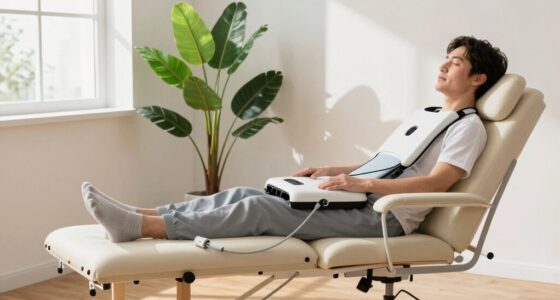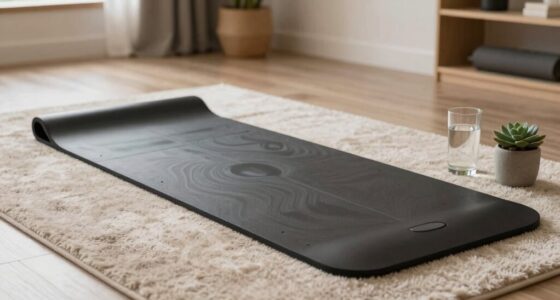

PEMF therapy might help relieve your widespread fibromyalgia pain by stimulating your body’s cells to repair and reduce inflammation. It’s a drug-free, painless method that enhances circulation and cellular function, potentially easing discomfort and improving sleep. Many users notice benefits gradually, and it can be combined with other treatments for better results. To discover how PEMF could fit into your pain management plan, explore more options and insights here.
Key Takeaways
- PEMF therapy may reduce widespread pain by stimulating cellular repair and decreasing inflammation in affected tissues.
- It enhances blood flow and mitochondrial function, potentially alleviating fibromyalgia-related discomfort.
- Many users report pain relief and improved sleep quality after PEMF sessions.
- PEMF offers a non-invasive, drug-free option that can be integrated into comprehensive pain management plans.
- While promising, ongoing research is needed to confirm its effectiveness for widespread fibromyalgia pain.

Have you ever wondered if a non-invasive treatment like Pulsed Electromagnetic Field (PEMF) therapy could help manage fibromyalgia symptoms? If you’re exploring options beyond traditional medications, you might find alternative therapies appealing, especially since many treatments don’t fully alleviate your pain or fatigue. PEMF therapy uses electromagnetic pulses to stimulate your body’s cells, aiming to promote healing, reduce inflammation, and improve circulation. For those with fibromyalgia, these effects could translate into less pain and greater comfort.
One of the main challenges of fibromyalgia is chronic fatigue, which often leaves you feeling drained even after resting. Many alternative therapies target this exhaustion, aiming to restore your energy levels naturally. PEMF therapy is thought to help by enhancing cellular function, boosting mitochondrial activity, and increasing blood flow to tissues. This process can potentially relieve the pervasive tiredness that interferes with your daily life. Unlike drugs that may cause side effects or only mask symptoms, PEMF offers a gentle, drug-free approach that works with your body’s natural healing mechanisms.
People interested in alternative therapies often turn to PEMF because it’s non-invasive, painless, and can be easily incorporated into a wellness routine. Treatments typically involve lying on a specialized mat or placing a handheld device near painful areas, allowing electromagnetic pulses to penetrate tissues. Many users report immediate or gradual improvements in pain levels, sleep quality, and overall energy. Since fibromyalgia symptoms vary, some find that combining PEMF with other complementary approaches—like physical therapy, mindfulness, or dietary adjustments—can amplify benefits.
Chronic fatigue, a hallmark of fibromyalgia, can make even simple tasks feel overwhelming. PEMF therapy aims to address this by encouraging cellular repair and reducing inflammation, which are key contributors to fatigue. When your cells function better, your energy reserves can replenish more effectively, helping you feel more alert and less exhausted. While research continues to explore the full extent of PEMF’s benefits for fibromyalgia, many patients report noticeable improvements in their quality of life.
Ultimately, PEMF offers a promising option if you’re seeking an alternative therapy that targets the root causes of pain and fatigue without invasive procedures or harsh medications. It’s important to consult with your healthcare provider to determine if PEMF is appropriate for you and how it can fit into your overall treatment plan. With patience and proper guidance, PEMF may help you regain some control over your symptoms and improve your daily well-being.

Biomat Infrared Mat | Crystal Mat for Therapy | Infrared Heating Mat | Red Light Therapy for Body | Hot Gemstone Therapy | Promotes for Muscle & Back Pain Relief | Sparkle Mat (Full Size)
INFRARED HEATING MAT WITH RED LIGHT THERAPY: Supports full-body relief with deep-penetrating far infrared heat, 12 high-powered 660nm…
As an affiliate, we earn on qualifying purchases.
As an affiliate, we earn on qualifying purchases.
Frequently Asked Questions
Are There Any Long-Term Risks Associated With PEMF Therapy?
Long-term safety of PEMF therapy is generally favorable, but you should do a risk assessment before continuing use. While serious risks are rare, some people might experience discomfort or skin irritation. It’s important to consult your healthcare provider to evaluate any potential risks based on your health history. Regular monitoring guarantees you stay safe, and most users find PEMF to be a low-risk, effective option for managing chronic pain.
How Quickly Can I Expect Pain Relief From PEMF Treatment?
You’ll love how PEMF treatment offers relief faster than waiting for your coffee to brew. Typically, you might notice some pain relief within a few sessions—maybe a week or two—though full benefits could take longer. Your treatment timeline varies based on your condition’s severity. Keep expectations realistic; while some experience quick relief, others need patience. Consistency is key to seeing the best results from PEMF therapy.
Is PEMF Therapy Suitable for All Fibromyalgia Patients?
PEMF therapy isn’t suitable for all fibromyalgia patients because it requires personalized treatment. Your individual response varies based on factors like pain levels and overall health. Before starting, consult your healthcare provider to determine if PEMF is appropriate for you. They can help tailor the treatment plan, ensuring you get the best possible outcome. Always consider your unique needs to decide if PEMF therapy fits into your fibromyalgia management strategy.
Can PEMF Be Combined With Other Fibromyalgia Treatments?
Yes, you can combine PEMF therapy with other fibromyalgia treatments. Combining therapies often enhances treatment synergy, helping you manage pain more effectively. Talk to your healthcare provider to create a personalized plan that integrates PEMF with medications, physical therapy, or lifestyle changes. This approach allows you to target multiple symptoms simultaneously, potentially improving your overall quality of life and providing more all-encompassing relief from widespread pain.
What Are the Costs and Availability of Professional PEMF Therapy?
Think of professional PEMF therapy as a rare gem—costly but valuable. Treatment costs vary depending on location and provider, often ranging from $50 to $100 per session. Insurance coverage is limited, so you’ll want to check if your plan helps with treatment costs. Availability depends on your area; some clinics offer this cutting-edge therapy, but you may need to travel or wait for a spot, like waiting for a star to align.

Cold Laser Therapy Device for Pain Relief, Infrared Red Light Therapy Devices for Knee, Neck, Joint and Muscle with 808nm & 650nm, 3 Power Mode/ 4 Timer, Handheld, Black
Safe & Non-Invasive: the apparatus adopts the principle of modern infrared light treatment, red light delivers non-thermal (non…
As an affiliate, we earn on qualifying purchases.
As an affiliate, we earn on qualifying purchases.
Conclusion
While some studies suggest PEMF may help reduce fibromyalgia pain, there’s no definitive proof it relieves all symptoms. The theory that it stimulates cellular repair and improves circulation holds promise, but individual responses vary. You should consider it as a complementary approach rather than a cure. Keep exploring, stay informed, and consult your healthcare provider before trying new treatments. Ultimately, managing fibromyalgia often requires a personalized blend of therapies.
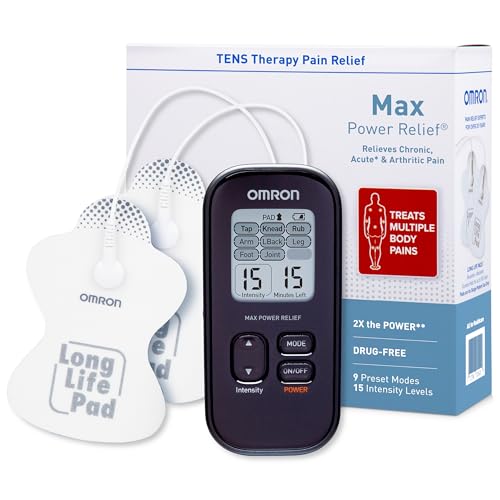
Omron Max Power Relief TENS Unit Muscle Stimulator
DRUG-FREE PAIN RELIEF: Ease back pain, shoulder pain, and muscle soreness without medication; The PM500 TENS unit delivers…
As an affiliate, we earn on qualifying purchases.
As an affiliate, we earn on qualifying purchases.

horselink tech Therapy Horse ice Boots,horselink Compression Therapy ice Boots, Dynamic Compression & Vibration & PEMF Magnetic 3-in-1 Multifunctional Therapy Boots for Horses,Horse ice Boots(Front)
【all-in-One】 Combines ice therapy, compression, vibration, and PEMF magnetic therapy.
As an affiliate, we earn on qualifying purchases.
As an affiliate, we earn on qualifying purchases.