
If you’re choosing between PEMF and TENS for pain relief, consider your needs. TENS provides quick, localized relief by blocking nerve signals, making it ideal for acute pain. PEMF penetrates deeply, supporting long-term healing and reducing inflammation. If immediate pain control matters most, TENS may be best. If you want sustained relief and tissue regeneration, PEMF could be the better choice. To find out which suits your situation best, keep exploring the details.
Key Takeaways
- PEMF offers deep tissue healing and long-lasting pain relief by stimulating cellular activity, ideal for chronic conditions.
- TENS provides immediate, localized pain relief by blocking nerve signals, suitable for acute pain and quick management.
- PEMF influences systemic healing and tissue regeneration through electromagnetic energy, while TENS primarily targets surface nerves.
- Choice depends on whether the goal is rapid pain reduction (TENS) or promoting long-term healing (PEMF).
- Both therapies are non-invasive and safe, but PEMF is better for deep, ongoing healing, whereas TENS is better for quick, short-term relief.
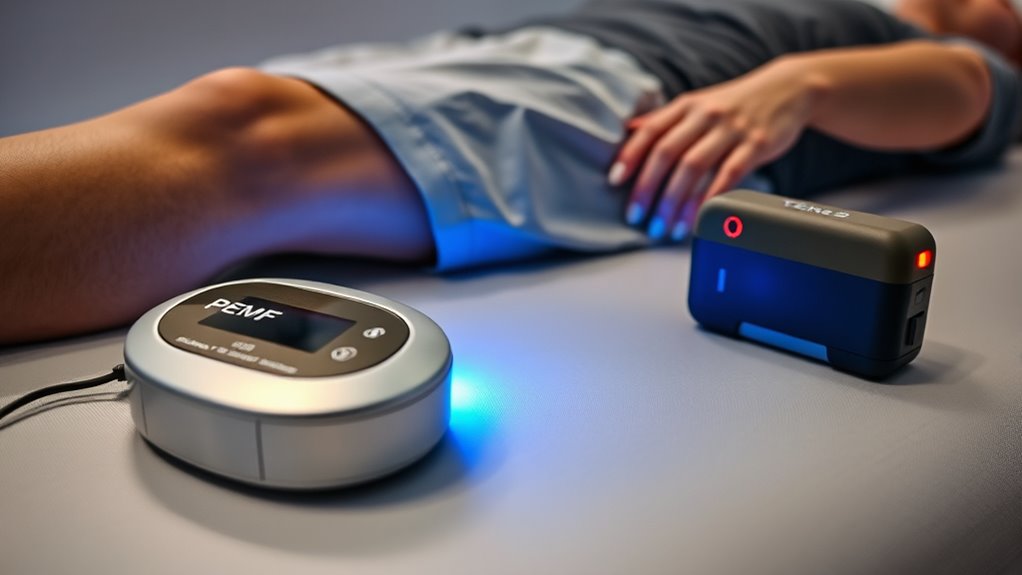
Have you ever wondered how different electrical stimulation therapies can help manage pain and promote healing? Both PEMF (pulsed electromagnetic field) therapy and TENS (transcutaneous electrical nerve stimulation) offer unique approaches to pain relief, but understanding how they work can help you decide which might be better for your needs. At their core, these therapies leverage the electrical impact on your body’s tissues, but they do so in distinct ways. PEMF therapy uses electromagnetic fields to influence cellular activity, while TENS delivers electrical impulses directly through the skin to target nerves.
With PEMF therapy, the electromagnetic impact penetrates deeply into tissues, stimulating cellular mechanisms that foster healing and reduce inflammation. This modulation of electromagnetic energy affects how your cells function, encouraging repair and regeneration. When it comes to pain signal modulation, PEMF doesn’t just block pain temporarily; it works on a cellular level to restore proper function, potentially offering longer-lasting relief. This makes PEMF particularly effective for chronic pain conditions or injuries that require tissue regeneration. The electromagnetic fields influence nerve activity indirectly, calming overactive pain signals and promoting natural healing processes.
PEMF therapy promotes deep tissue healing and long-lasting pain relief through cellular stimulation and inflammation reduction.
On the other hand, TENS therapy focuses primarily on pain signal modulation through electrical impulses delivered via surface electrodes. These impulses interfere with the nerve signals that transmit pain from your injured area to your brain. By stimulating sensory nerves, TENS can effectively drown out pain signals, providing quick, although sometimes temporary, relief. It’s particularly useful for acute pain or situations where immediate pain control is needed. Because TENS works directly on nerve pathways, it’s often used in physical therapy and pain management clinics for conditions like back pain, arthritis, or post-surgical discomfort.
While both therapies aim to reduce pain, their mechanisms differ markedly. PEMF’s electromagnetic impact promotes cellular health and systemic healing, which can lead to more all-encompassing recovery over time. TENS, however, offers rapid pain relief by disrupting nerve transmission, making it ideal for immediate pain management. Your choice depends on your specific needs—whether you’re looking for quick relief or a therapy that supports long-term tissue repair. Both methods are non-invasive and generally safe, but understanding their differences allows you to make an informed decision about which therapy might suit your condition best. So, consider your goals—whether it’s immediate pain reduction or deeper healing—and choose the therapy that aligns with your recovery journey.

Using PEMF Devices for the Management Neurological Disorders and Pain Conditions
As an affiliate, we earn on qualifying purchases.
As an affiliate, we earn on qualifying purchases.
Frequently Asked Questions
Are PEMF and TENS Therapy Suitable for Chronic Pain Conditions?
Yes, PEMF and TENS therapy are suitable for chronic pain conditions. You can use these alternative therapies to help manage persistent pain, as they target pain signals and promote healing. PEMF stimulates cell repair, while TENS blocks pain signals with electrical impulses. Incorporating these therapies into your pain management plan can provide relief and complement other treatments for chronic pain.
Can These Therapies Be Used Together for Enhanced Pain Relief?
Think of combining PEMF and TENS therapies as assembling a versatile toolkit for pain relief. While some devices are compatible for simultaneous use, others aren’t, so verify device compatibility first. Using both as a therapy combination can enhance results by targeting pain from different angles. Always consult your healthcare provider to ensure safe and effective use, and to customize the combo for your specific needs.
What Are the Potential Side Effects of PEMF and TENS Treatments?
You should be aware that PEMF and TENS therapies are generally safe when used correctly, but device safety is key. Some people may experience skin irritation or allergic reactions to electrode adhesives, so watch for allergy risks. Rare side effects include dizziness or discomfort. Always follow instructions, consult your healthcare provider if you notice adverse effects, and verify devices are used properly to minimize risks and maximize pain relief benefits.
How Long Does It Typically Take to See Results From Each Therapy?
Think of each therapy as planting a seed. With PEMF, you might see effects within a few sessions, often around 1-4 weeks, as it encourages cell repair. TENS, on the other hand, can provide immediate relief during use, with effectiveness often noticeable after a single session. Your treatment duration and effectiveness timeline depend on your condition, but patience helps both therapies cultivate better pain management.
Are There Any Contraindications for Using PEMF or TENS Devices?
You should be aware of device safety and user precautions when using PEMF or TENS devices. People with pacemakers, pregnancy, or certain medical conditions should avoid these therapies unless advised by a healthcare professional. Always read the instructions carefully, consult your doctor if you have any health concerns, and avoid using the devices on broken skin or near sensitive areas to guarantee safe and effective pain relief.

AVCOO 3-in-1 TENS Unit Muscle Stimulator with 30 Modes, 40 Intensities TENS Machine for Gradual Back Pain Relief Therapy, Rechargeable EMS Unit Massager with 12 TENS Electrode Pads, a Storage Bag
- Multi-functional 3-in-1 Technology: Combines TENS, EMS, and RELAX therapies
- Dual Channel & 40 Intensity Levels: Precise targeting with adjustable settings
- User-friendly Interface: Easy selection with body part indicators
As an affiliate, we earn on qualifying purchases.
As an affiliate, we earn on qualifying purchases.
Conclusion
So, which therapy is better for pain relief? PEMF offers deep tissue stimulation and long-term benefits, while TENS provides quick, targeted relief. It really depends on your specific needs and pain type. Have you considered trying both to see which works best for you? Remember, consulting with a healthcare professional can help tailor the right approach. Ultimately, understanding your body’s response is key to finding the most effective pain relief method.
As an affiliate, we earn on qualifying purchases.
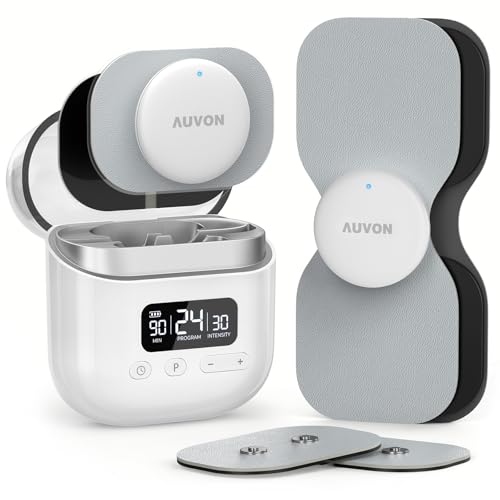
AUVON Wireless 24 Modes TENS Unit Muscle Stimulator for Pain Relief, 6 Pads
- Wireless All-in-One Design: Compact, portable, no tangled wires
- Multiple Therapy Modes: 24 modes including TENS, EMS, massage
- Adjustable Intensity Levels: 30 customizable intensities for personalized relief
As an affiliate, we earn on qualifying purchases.
As an affiliate, we earn on qualifying purchases.