Using a TENS unit for back pain can provide relief by disrupting nerve signals and releasing natural painkillers, making it a drug-free option. However, its effectiveness varies depending on your specific pain type and cause. While some experience noticeable benefits, others may find limited relief. If you want to discover how to maximize its potential safely and understand whether it’s right for your back pain, there’s more to explore below.

Get wellness gear delivered free — and shop member deals
- Fast, free delivery on millions of items
- Access to Prime Big Deal Days deals on October 6–7
- Prime Video, Amazon Music and more included
Key Takeaways
- TENS units deliver electrical impulses that can interfere with pain signals and trigger endorphin release, potentially reducing back pain.
- Scientific evidence is mixed; some users experience relief, but results vary due to placebo effects and individual differences.
- Proper electrode placement and session duration (15-30 minutes) are crucial for effective back pain relief.
- TENS is most effective for nerve and muscle-related pain, less so for structural issues or bone problems.
- Consulting a healthcare professional before use ensures safety, especially for those with heart conditions or pacemakers.
As an affiliate, we earn on qualifying purchases.
What Is a TENS Unit and How Does It Work?

A TENS unit, or Transcutaneous Electrical Nerve Stimulation device, is a small, portable machine that delivers low-voltage electrical impulses to your skin. When you use it, electrode placement is vital; you position the electrodes near the area of pain or along nerve pathways. These impulses help interfere with pain signals before they reach your brain, potentially raising your pain threshold. As you adjust the settings, you’ll find that different intensities and frequencies can influence how you feel. The goal is to find a comfortable level where the electrical stimulation provides relief without discomfort. By targeting specific muscles or nerves with proper electrode placement, a TENS unit can help manage back pain effectively, offering a drug-free alternative for pain relief. Additionally, understanding the role of technology in pain management can help you optimize your treatment outcomes, especially as advancements continue to improve pain relief options. Modern electrical stimulation devices are increasingly incorporating features like customizable programs and wireless connectivity, which may enhance user experience and treatment efficacy. Advancements in technology continue to make TENS units more user-friendly and adaptable to individual needs.
portable TENS device with customizable settings
As an affiliate, we earn on qualifying purchases.
As an affiliate, we earn on qualifying purchases.
The Science Behind Electrical Stimulation and Pain Relief

Electrical stimulation works by sending small pulses to your nerves, blocking pain signals before they reach your brain. It also encourages your body to release endorphins, which naturally reduce discomfort. Understanding these processes can help you maximize the benefits of your TENS unit electrical stimulation techniques.
How TENS Works
Understanding how a TENS unit provides pain relief involves exploring the science of electrical stimulation. When you use a TENS device, electrical therapy sends low-voltage pulses through your skin to stimulate nerves in the affected area. This process helps your body manage pain more effectively. Here’s how it works:
- Blocks pain signals from reaching your brain
- Promotes the release of endorphins, natural painkillers
- Interrupts nerve transmission, reducing discomfort
- Enhances blood flow to aid healing
- Cultural aspects of health practices highlight how various traditions utilize electrical therapy for pain management
Research indicates that these mechanisms are supported by scientific principles underlying neural modulation techniques used in pain relief. These mechanisms make TENS a popular tool in pain management. By delivering targeted electrical pulses, the device helps your nervous system modify how pain is perceived, offering relief without drugs. This simple yet effective approach underscores the power of electrical therapy in managing back pain.
Nerve Signal Interference
Nerve signal interference is the key way TENS units provide pain relief by disrupting the communication between nerves and your brain. When you apply electrical impulses, they target specific nerve fibers, altering the nerve signals that carry pain information. This process, known as pain modulation, prevents pain signals from reaching your brain effectively. Instead of transmitting the full intensity of pain, the nerve signals become scrambled or blocked, reducing your perception of discomfort. By interfering with nerve signals, TENS units effectively diminish pain without relying on medication. This mechanism helps explain why many users experience relief during and after treatment sessions. Additionally, understanding neural pathways can shed light on how personal branding and lifestyle changes influence individual health and wellness perceptions. Ultimately, nerve signal interference is a direct method by which electrical stimulation alleviates back pain and other discomforts.
Endorphin Release Process
When you use a TENS unit, one of the key ways it provides pain relief is by stimulating your body’s natural painkillers—endorphins. This triggers the endorphin release process, which initiates an endorphin cascade, enhancing pain modulation. As electrical impulses stimulate nerve fibers, your body responds by producing more endorphins, helping to block pain signals. This process not only reduces discomfort but also promotes a sense of well-being. To understand this better, consider how electrical stimulation:
- Activates pain-inhibiting pathways
- Boosts natural endorphin levels rapidly
- Strengthens the pain modulation system
- Supports long-term pain relief through neurochemical changes
This combined effect makes TENS therapy effective by leveraging your body’s own mechanisms to manage pain naturally.
wireless TENS unit for muscle pain
As an affiliate, we earn on qualifying purchases.
As an affiliate, we earn on qualifying purchases.
Evidence From Clinical Studies on TENS for Back Pain
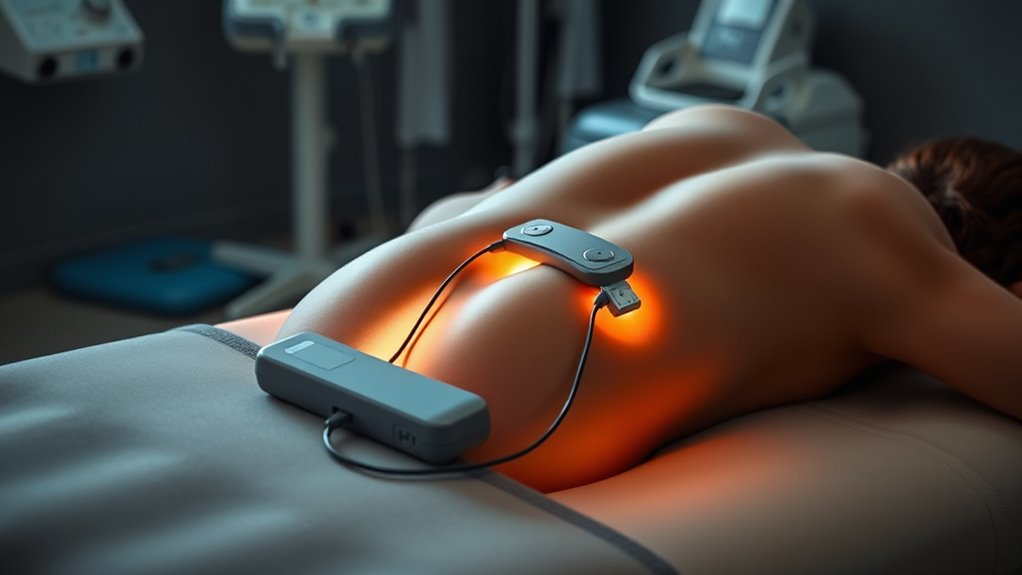
Clinical studies investigating TENS for back pain have produced mixed results, making it important to examine the evidence carefully. Some research shows modest benefits, but these effects often align with the placebo effect, highlighting the role of patient expectations. Studies suggest that the perceived relief may partly stem from psychological factors rather than the device itself. The following table summarizes key findings:
| Study Type | Results | Notes |
|---|---|---|
| Randomized Controlled Trials | Mixed | Placebo effects influential |
| Double-blind Studies | Varying | Expectations impact outcomes |
| Observational Studies | Some benefit | Subjective pain reports |
| Meta-analyses | Inconclusive | Highlights need for more research |
| Patient Surveys | Positive | Driven by expectations |
Understanding this evidence helps you evaluate if TENS is right for your back pain. Additionally, being aware of the placebo effect can help you better interpret studies and set realistic expectations for treatment outcomes. Recognizing the limitations of clinical research underscores the importance of consulting healthcare professionals for personalized advice. It is also beneficial to consider other complementary therapies that may enhance pain management strategies. Being informed about the evidence-based effectiveness of treatments ensures you make well-rounded decisions about your care. Moreover, ongoing research continues to explore alternative pain relief options, providing a broader perspective on managing back pain effectively.
electrical nerve stimulation device for back pain
As an affiliate, we earn on qualifying purchases.
As an affiliate, we earn on qualifying purchases.
Types of Back Pain That May Respond to TENS Therapy

TENS therapy may be more effective for certain types of back pain, especially those involving muscle tension or nerve-related discomfort. If you experience chronic pain or frequent muscle spasms, TENS could help alleviate your symptoms. It’s particularly useful for:
- Muscle spasms caused by strain or injury
- Nerve pain due to pinched nerves or sciatica
- Chronic pain that persists over time
- Pain linked to muscle tension and tightness
Since TENS can interfere with nerve signals, it often reduces discomfort stemming from nerve irritation or muscle spasms. While it may not address structural issues, TENS can offer relief for pain that involves muscle tension or nerve sensitivity, making it a valuable part of your pain management toolkit. Proper training in device usage and understanding how to operate TENS units safely can enhance their effectiveness and minimize potential risks. Additionally, understanding neuromodulation techniques can provide further insights into how TENS influences nerve activity and pain perception. Being aware of proper electrode placement can also significantly improve treatment outcomes. Moreover, combining TENS with other complementary therapies may increase overall pain relief and improve quality of life.
Proper Usage and Tips for Maximizing TENS Effectiveness

To get the most out of your TENS unit, focus on proper electrode placement; positioning them correctly can considerably boost pain relief. Keep session durations around 20 to 30 minutes to prevent skin irritation and ensure comfort. Experiment with different placements and timings to find what works best for your back pain. Additionally, understanding the types of TENS therapy can help tailor your treatment for more effective results. Using adaptive settings based on your specific pain levels can further enhance the therapy’s effectiveness. Incorporating knowledge about hydraulics and electrode contact can improve the delivery of electrical impulses and maximize pain relief. Being aware of electrode contact quality is essential to maintain consistent stimulation and prevent unnecessary discomfort. Paying attention to the electrode contact surface area can also influence the efficiency of stimulation and comfort during use.
Electrode Placement Techniques
Proper electrode placement is key to getting the most relief from your TENS unit. To optimize pain targeting, position the electrodes where your pain is most intense or along the nerve pathways leading to it. Keep these tips in mind:
- Place electrodes in pairs on either side of the pain or along the affected muscles
- Avoid placing electrodes directly over bones or joints
- Maintain consistent spacing—about 1 inch apart—for even stimulation
- Verify good skin contact with clean, dry skin to prevent irritation
Optimal Session Duration
Finding the right session duration is essential for maximizing relief without overdoing it. Generally, a typical session lasts between 15 to 30 minutes, but this can vary based on your individual needs. Follow the dosage guidelines provided with your TENS unit to avoid overstimulation or skin irritation. Start with shorter sessions and gradually increase if needed, paying attention to how your body responds. Avoid exceeding the recommended session duration to prevent discomfort or adverse effects. Consistency is key, so aim for regular sessions within the safe limits. Remember, longer isn’t always better—listening to your body helps you find the most suitable session duration for effective pain relief. Always consult your healthcare provider if you’re unsure about the appropriate length of your TENS therapy.
Potential Risks and Side Effects of TENS Treatment

While TENS therapy is generally safe, it’s important to be aware of potential risks and side effects. You might experience skin irritation or discomfort at the electrode sites if electrode safety isn’t maintained. Allergies to the adhesive or electrode pads can cause redness, itching, or swelling. Improper use may lead to muscle twitching or pain. Additionally, misuse around the chest area could interfere with heart function, especially if you have a pacemaker. To minimize risks, always follow instructions carefully. Be cautious if you have sensitive skin or known allergies. Remove electrodes if you notice adverse reactions. Consulting your healthcare provider before starting TENS can help you avoid complications related to electrode safety and allergy risks.
Comparing TENS to Other Back Pain Management Options

When managing back pain, TENS units offer a non-invasive, drug-free option that can be easily integrated into your treatment plan. Compared to alternative therapies like chiropractic care or physical therapy, TENS provides immediate pain relief without ongoing appointments. Lifestyle modifications, such as regular exercise and weight management, address root causes but take time. Consider this comparison:
| Option | Effectiveness | Convenience |
|---|---|---|
| TENS Unit | Short-term relief | Easy to use |
| Alternative therapies | Long-term benefits | Requires appointments |
| Lifestyle modifications | Address root cause | Ongoing effort |
| Medications | Quick relief, risk of side effects | Varies, possible side effects |
Choosing the right approach depends on your needs—TENS offers quick relief, while other options target long-term improvement.
Making an Informed Decision: Is a TENS Unit Right for You?

Deciding whether a TENS unit is right for your back pain depends on your specific needs and expectations. Consider if you’re looking for a non-invasive option or want to explore alternative therapies. Think about how TENS fits into your overall lifestyle changes and pain management plan. It may work well if you prefer drug-free solutions, but it’s not a guarantee for everyone. To make an informed decision, evaluate these factors:
Choosing a TENS unit depends on your needs, lifestyle, and comfort with self-management.
- How well does the device target your pain area?
- Are you comfortable with managing the device yourself?
- Do you have any skin sensitivities or medical conditions?
- Have you tried other alternative therapies with limited success?
Consult your healthcare provider to see if a TENS unit aligns with your goals and lifestyle. This will help ensure you choose the most effective pain management approach for you.
Frequently Asked Questions
Can TENS Units Be Used Alongside Other Back Pain Treatments?
Yes, you can use TENS units alongside other back pain treatments for combination therapy. They’re generally compatible with physical therapy, medications, and chiropractic care, helping enhance pain relief. Just verify your healthcare provider approves, especially if you’re on medications or have underlying conditions. Combining treatments can target pain from different angles, potentially providing more effective relief and improving your overall recovery process.
How Long Should I Use a TENS Unit During Each Session?
Using a TENS unit during each session is like tuning a guitar—you want just the right length. Aim for 15 to 30 minutes per session, adjusting based on your comfort and TENS frequency settings. Start with shorter periods to see how your body responds, and avoid overuse to prevent skin irritation or discomfort. Always follow your healthcare provider’s advice for personalized guidance.
Are There Specific Back Pain Conditions Best Treated With TENS?
You may find TENS units most effective for back pain conditions involving muscle tension or nerve stimulation, like muscle strain or nerve impingement. The device helps promote muscle relaxation and blocks pain signals. If your back pain stems from chronic nerve issues or muscle spasms, using a TENS unit can provide relief. Always consult a healthcare provider to confirm it’s suitable for your specific condition and to get proper treatment guidance.
Is a Prescription Necessary to Purchase a TENS Device?
You can often buy TENS units over the counter, but some models and treatments might require a prescription. If you’re considering a device for chronic or severe pain, check local regulations, as prescription requirements can vary. Over-the-counter options offer convenience, but a healthcare provider‘s guidance guarantees you choose the right device and use it safely. So, whether over the counter or prescription, know what’s needed before making your purchase.
How Soon Can I Expect Relief After Starting TENS Therapy?
You might start feeling relief within 15 to 30 minutes of using a TENS unit, but timing expectations vary depending on your pain level and treatment consistency. Some people notice immediate relief, while others may need several sessions to experience significant improvement. Keep in mind that individual responses differ, so it’s important to monitor your progress and consult your healthcare provider for personalized guidance on your relief timeline.
Conclusion
Think of a TENS unit as a gentle lighthouse guiding your pain through the night. While it can illuminate relief for some, others may find their lighthouse flickering or dimming. Like steering treacherous waters, your experience depends on your unique course and conditions. Consider it a tool in your arsenal, but not a guaranteed beacon. With careful use and guidance, you can find your way toward calmer seas and less pain.
Fall Picks
fall essentials
As an affiliate, we earn on qualifying purchases.