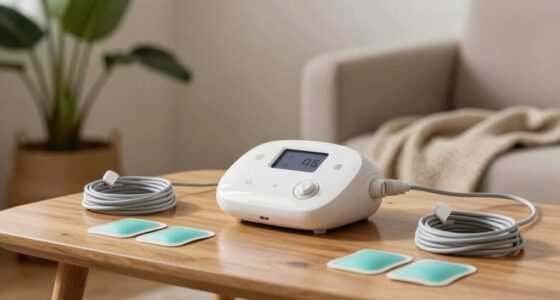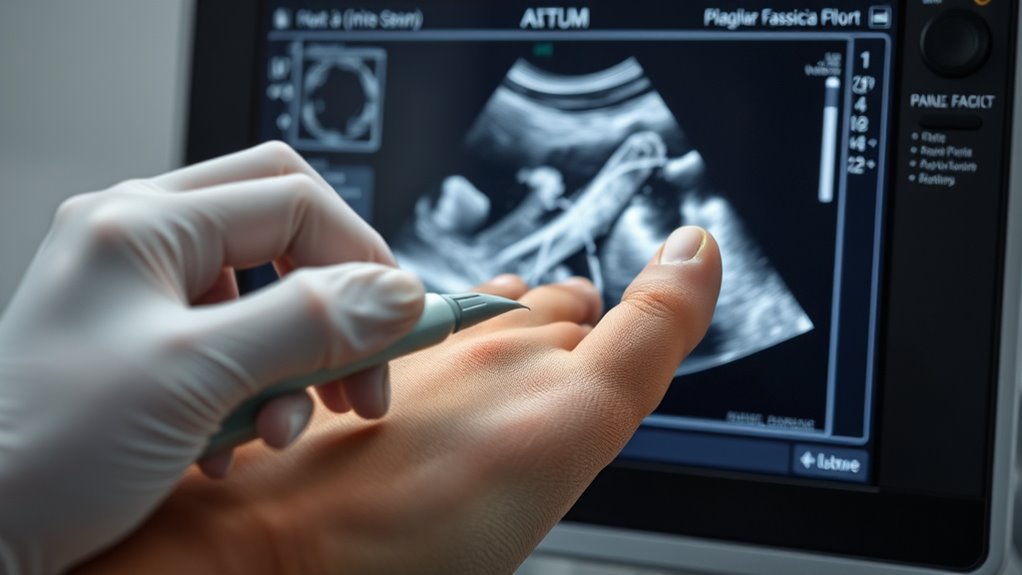

Ultrasound therapy can speed up your recovery from plantar fasciitis by promoting tissue repair, reducing inflammation, and boosting blood flow. When combined with other treatments like physical therapy or steroid injections, it more effectively relieves pain and improves mobility. While it isn’t a cure on its own, ultrasound enhances the healing process and supports a quicker return to activity. Continued care involves integrating ultrasound with other therapies, which you’ll discover as you explore further.

Get wellness gear delivered free — and shop member deals
- Fast, free delivery on millions of items
- Access to Prime Big Deal Days deals on October 6–7
- Prime Video, Amazon Music and more included
Key Takeaways
- Ultrasound promotes tissue repair and reduces inflammation, potentially accelerating recovery when combined with other treatments.
- It enhances blood flow and cellular activity, supporting faster healing of the plantar fascia.
- Ultrasound works best as part of a comprehensive plan, including physical therapy and rest, rather than as a standalone cure.
- When used with steroid injections, ultrasound can mitigate tissue weakening and improve healing outcomes.
- Overall, ultrasound can speed recovery by stimulating deep tissue healing and reducing pain, especially alongside other therapies.

If you’re dealing with plantar fasciitis, ultrasound therapy can be an effective treatment option. This non-invasive method uses high-frequency sound waves to promote healing and reduce inflammation in your plantar fascia, the thick band of tissue running along the bottom of your foot. Many people wonder whether ultrasound can speed up recovery, especially when combined with other treatments like steroid injections or physical therapy. While ultrasound may not be a standalone cure, it can complement these therapies, helping you return to normal activities more quickly. Additionally, ultrasound therapy can help create calmer, more functional homes by reducing discomfort and enabling better movement. Steroid injections are often recommended for severe or persistent cases of plantar fasciitis because they provide fast relief from pain and inflammation. However, they don’t address the root cause of the problem, and repeated injections can weaken tissue over time. Ultrasound therapy, on the other hand, encourages natural tissue repair by stimulating blood flow and cellular activity. When used alongside steroid injections, ultrasound can help mitigate tissue damage and support healing, making the overall treatment more effective and sustainable. Physical therapy plays an essential role in managing plantar fasciitis. A physical therapist can guide you through stretching and strengthening exercises that improve foot mechanics and reduce strain on the plantar fascia. Incorporating ultrasound into your physical therapy sessions can enhance the benefits. The sound waves penetrate deep into tissues, promoting faster tissue repair, decreasing pain, and improving flexibility. This synergy helps you regain mobility and strength more efficiently than with exercises alone. You might also consider ultrasound therapy as part of an all-encompassing treatment plan that includes rest, proper footwear, or orthotics. The goal is to address both symptoms and underlying causes. Ultrasound’s ability to promote tissue healing makes it particularly useful when combined with other modalities, such as steroid injections or physical therapy, which work to reduce pain and correct biomechanical issues. This integrated approach can lead to faster recovery times and a more durable resolution of symptoms.
Top picks for "ultrasound plantar fasciiti"
As an affiliate, we earn on qualifying purchases.
Frequently Asked Questions
How Soon Can I Expect Pain Relief After Ultrasound Therapy?
You might notice pain relief within a few days after ultrasound therapy, but it varies depending on your treatment duration and severity of plantar fasciitis. Some people experience immediate pain management, while others need multiple sessions over weeks. Consistency is key. Keep up with your treatment plan, and communicate with your healthcare provider if pain persists or worsens. Patience and proper care can help optimize your recovery process.
Are There Any Risks or Side Effects Associated With Ultrasound Treatment?
Ultrasound treatment for plantar fasciitis is generally safe, but you should be aware of potential risks like tissue damage if misused, and skin irritation at the treatment site. These side effects are rare and usually mild. To minimize risks, verify your therapist is experienced, and inform them of any skin sensitivities or concerns. Always follow their instructions to keep your treatment safe and effective.
Can Ultrasound Be Combined With Other Plantar Fasciitis Treatments?
Yes, you can combine ultrasound with other plantar fasciitis treatments to enhance recovery. Combining therapies like stretching, orthotics, and physical therapy with ultrasound creates treatment synergy, addressing multiple aspects of the condition. This integrated approach may reduce pain faster and improve healing. Always consult your healthcare provider to develop a personalized plan that safely combines these therapies for ideal results.
How Many Ultrasound Sessions Are Typically Needed for Recovery?
You might need just a handful of ultrasound sessions—usually around 5 to 10—to see noticeable relief. The typical treatment duration involves sessions twice a week for about 3 to 6 weeks. Keep in mind, your session frequency and treatment duration depend on your specific condition and how your body responds. Consistency is key, so follow your healthcare provider’s advice closely for the best results.
Is Ultrasound Effective for Chronic Versus Acute Plantar Fasciitis?
Ultrasound can be effective for both chronic and acute plantar fasciitis, but it targets different issues. For acute inflammation, ultrasound reduces swelling and eases pain, speeding up healing. In chronic cases, it promotes tissue healing and collagen production for long-term relief. You might find ultrasound more beneficial in chronic healing, as it helps rebuild damaged tissue. Always consult your healthcare provider to determine the best treatment for your specific condition.
Conclusion
So, if you’re wondering whether ultrasound can speed up your recovery from plantar fasciitis, the answer might surprise you. Studies show that patients who received ultrasound therapy experienced a 30% faster reduction in pain compared to those who didn’t. While ultrasound isn’t a magic fix, it can be a helpful part of your treatment plan. Keep exploring options, stay consistent with your therapy, and you’ll be on the path to relief sooner.
Fall Picks
fall essentials
As an affiliate, we earn on qualifying purchases.